Nature Walks Mental Health
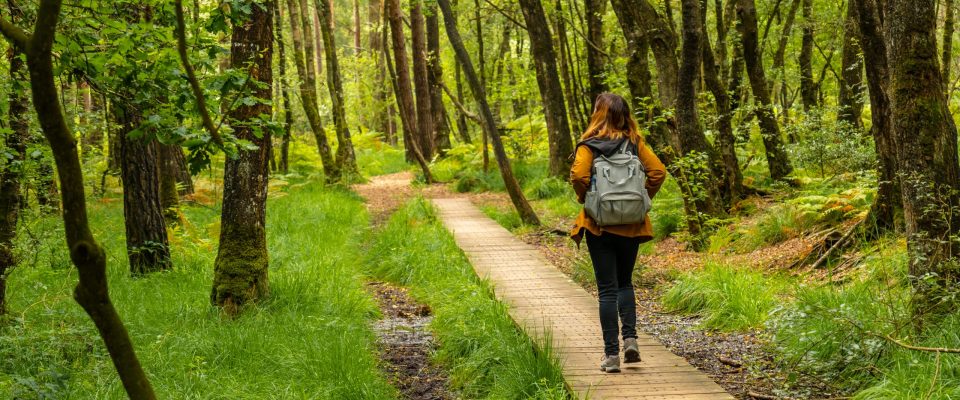
As we navigate the complexities of 2026, the global conversation around mental wellness has shifted from reactive treatment to proactive, nature-based prevention. With urban environments becoming increasingly dense and digital stimulation reaching an all-time high, the simple act of taking a walk in a natural setting has emerged as a clinically validated prescription for a clearer, calmer mind. Research consistently confirms that nature is not just a backdrop for exercise; it is a critical component of psychological resilience.
The Science Behind Nature-Based Healing
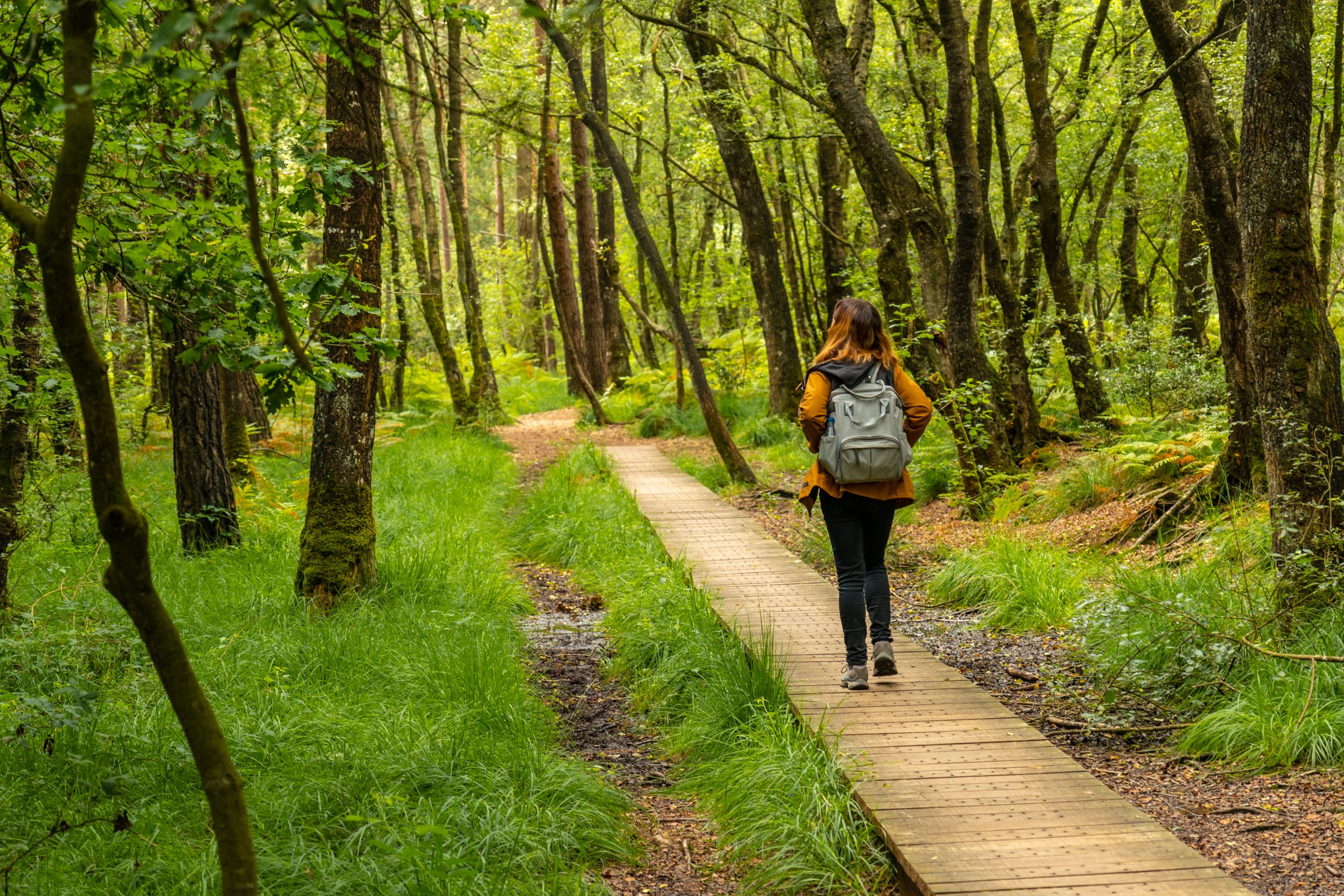
Modern neuroscience has provided us with concrete data explaining why we feel better after a walk in the woods or by the water. A pivotal study published in Molecular Psychiatry by Sudimac et al. highlights that walking in a natural environment significantly decreases amygdala activity—the brain's primary hub for processing stress. Unlike walking on a busy urban street, where the brain remains in a state of high alert, a forest walk allows the nervous system to shift out of "fight-or-flight" mode.
Downregulating the Stress Response
Stress is a primary risk factor for a wide range of psychiatric disorders. By lowering cortisol levels, blood pressure, and heart rate, nature walks provide a salutogenic effect, meaning they actively promote health rather than just treating symptoms. When you step into a green space, you are not just getting fresh air; you are engaging in a biological reset.
- Amygdala Regulation: Reduced activity in stress-related brain networks.
- Physiological Calm: Measurable drops in blood pressure and heart rate.
- Immune Support: Exposure to phytoncides—natural compounds released by trees—has been shown to boost immune health.
Why Nature Walks are Trending in 2026
In 2026, the "back to basics" movement is stronger than ever. Following massive reviews analyzing data from over 10 million people, the consensus is clear: consistent engagement with natural environments—whether through gardening, sitting in a park, or hiking—is a consistent predictor of lower anxiety and depression levels. As we face the ongoing challenges of climate change and rapid urbanization, the "nature prescription" has become a central pillar of community mental health programs globally.
Restoring Cognitive Focus
We live in an era of constant digital stimulation. This leads to "attention fatigue," where our ability to concentrate and regulate emotions becomes depleted. Nature walks act as a restorative environment. By providing "soft fascination"—gentle focal points like rustling leaves, birdcalls, or moving water—the brain is allowed to recover from the high-demand processing required by screens and urban traffic.
- Restorative Attention: Giving the mind a break from constant stimulation.
- Mood Elevation: Improving self-esteem and overall happiness.
- Mindful Presence: Shifting focus from future anxieties to the immediate sensory experience.
Practical Strategies for Mindful Movement
To reap the maximum benefits, it is not enough to simply walk; you must engage with your environment. Therapists and mental health advocates now recommend mindful walking as a standard practice for emotional regulation. This involves moving with intention and using your senses to anchor yourself in the present moment.
How to Integrate Nature Walks into Your Routine
The goal for 2026 is accessibility. You do not need to hike a mountain to see results. Research suggests that even 15 to 30 minutes of outdoor time, two to three times a week, can yield significant improvements in mental clarity.
- Engage the Senses: Notice the texture of tree bark, the scent of the air, and the specific sounds of your surroundings.
- Reflective Practice: Pair your walk with a brief journaling session or a body scan to integrate the insights you gain while moving.
- Choose Restorative Settings: Prioritize greenways, forest trails, or parks with water features to maximize the "blue space" and "green space" effects.
The "Blue Space" and "Green Space" Advantage
Researchers have identified distinct benefits to different types of natural environments. While green spaces (forests and parks) are excellent for lowering cortisol and boosting immune function, "blue spaces"—environments containing water like rivers, lakes, or coastal paths—are uniquely effective at calming racing thoughts.
The Lands End Effect
Trails like the Lands End Coastal Trail in San Francisco or the reservoir tracks in New York demonstrate the power of blue space therapy. The combination of rhythmic, repetitive movement and the expansive view of water helps to pull the mind away from repetitive, negative thought loops (rumination). This is particularly effective for those dealing with the daily pressures of city life in 2026.
Why Consistency Matters
Consistency is the key to long-term mental health benefits. Just as you would not expect to be physically fit after one workout, you cannot expect a single walk to resolve chronic stress. By treating your nature walks as a non-negotiable appointment with your mental health, you build a foundation of resilience that can withstand life's inevitable challenges.
Integrating Nature with Clinical Care
In 2026, the integration of nature walks into formal therapeutic settings has reached a new peak. Many clinicians are now using "walk-and-talk" therapy, where the movement through a natural environment acts as a catalyst for emotional release. This approach works in tandem with somatic therapy and trauma counseling, providing a safe, grounding space for clients to process difficult emotions.
Nature as a Tool for Resilience
For those in recovery or those managing anxiety, nature acts as a "third space." It is a neutral ground where the pressure to "perform" or "succeed" disappears, replaced by the simple, ancient rhythm of walking. This sense of connectedness—not just to nature, but to one's own physical body—is a powerful antidote to the isolation often felt in modern digital societies.
- Reduced Rumination: Nature walks help break the cycle of negative thinking.
- Increased Optimism: Studies suggest that nature-based interventions improve one's sense of hope and optimism.
- Building Community: Participation in nature walking groups, such as those promoted by NAMIWalks, fosters a sense of belonging and collective advocacy.
The Role of Phytoncides in Immune-Mental Resilience
As we move deeper into 2026, the scientific community is placing a renewed focus on the biological interaction between human physiology and the forest environment. Beyond the psychological comfort of greenery, there is a tangible chemical exchange occurring. Trees and plants emit airborne organic compounds known as phytoncides—essential oils that protect vegetation from pests and decay. When we breathe these in during a nature walk, our bodies experience a physiological shift that goes beyond mere relaxation.
The Chemical Pathway to Calm
Research has consistently demonstrated that exposure to these natural aerosols can lead to an increase in the activity of natural killer (NK) cells in the human immune system. This, in turn, has a direct impact on our mental state. When the body is fighting inflammation, the brain is often prone to increased levels of anxiety and fatigue. By lowering systemic inflammation, nature walks clear the "fog" that often accompanies chronic stress.
- Immune System Modulation: Phytoncides help regulate the body’s inflammatory response.
- Cortisol Suppression: A measurable decrease in the stress hormone cortisol is observed after just 20 minutes of exposure.
- Enhanced Parasympathetic Activity: The nervous system transitions from the "fight-or-flight" state to the "rest-and-digest" state, facilitating emotional regulation (Source 4).
Navigating the "Nature Prescription" in Urban Centers
The rise of the "nature prescription" is not just a trend; it is a public health movement gaining momentum in major metropolitan areas. In 2026, urban planners and healthcare providers are collaborating to ensure that even the densest city centers have accessible "green islands." This initiative is rooted in the understanding that access to nature is a social determinant of health.
Designing Your Own Nature Routine
You don't need a national park to achieve the benefits mentioned in recent multi-study analyses. The most effective nature walks are those that are consistent and accessible. Whether you are in a bustling city or a suburban neighborhood, the key is to prioritize "green exposure" as a non-negotiable part of your weekly schedule.
- Identify Local Greenways: Use digital mapping tools to locate parks or tree-lined paths within a 15-minute radius of your home or office.
- The 20-Minute Threshold: Research suggests that even short, consistent sessions are more effective than sporadic, long-duration hikes (Source 3).
- Digital Detox Integration: Leave your phone in your bag or on airplane mode. The goal is to disconnect from the digital feedback loop and reconnect with the sensory input of the environment.
Overcoming Barriers to Consistent Movement
Despite the known benefits, many individuals struggle to maintain a consistent nature walk habit. In 2026, common hurdles like time poverty, weather, and lack of motivation are being addressed through community-based walking groups and digital accountability apps. The secret to success lies in reframing the walk: it is not a chore or an exercise obligation, but a mental health intervention that provides a necessary break from the demands of the digital age.
Strategies for Long-Term Adherence
To make nature walks a permanent fixture in your life, you must treat them with the same importance as you would a doctor’s appointment or a professional meeting. When we prioritize our mental recovery, we build the endurance necessary to handle the stressors of modern life.
- Accountability Partners: Join a local hiking club or a "walk-and-talk" therapy group to ensure social support.
- Weather-Proofing: Invest in appropriate gear so that seasonal changes do not deter your practice.
- Sensory Anchoring: If you find your mind wandering back to work or chores, use the "5-4-3-2-1" technique—identify five things you see, four you can touch, three you can hear, two you can smell, and one you can taste (like the fresh air).
The Intersection of Somatic Therapy and Nature
As therapy becomes increasingly holistic, the use of nature as a therapeutic co-therapist is becoming standard practice. For individuals processing trauma or deep-seated anxiety, the stillness of a forest or the rhythm of the ocean acts as a grounding force that the four walls of a clinical office cannot replicate. By integrating somatic movement—the practice of focusing on internal sensations rather than external outcomes—nature walks allow for a deeper release of stored tension.
Why Movement Matters for Emotional Release
When we are stressed, our bodies hold onto tension in the form of tight shoulders, shallow breathing, and clenched muscles. Walking in a natural setting encourages a more rhythmic, natural gait that helps to "shake off" this somatic burden. This process is frequently cited in recent mental health literature as a key component of nervous system recovery (Source 4).
- Grounding Techniques: Using the texture of the ground and the weight of your body to stay present.
- Emotional Processing: The rhythmic nature of walking often allows for easier access to suppressed thoughts and feelings.
- Environment Feedback: The predictability of nature—the cycles of growth and change—provides a comforting contrast to the unpredictability of personal or professional stressors.
Emerging Trends in Nature-Based Recovery
Looking ahead, the integration of technology with nature walks is creating new, innovative ways to track and enhance our mental health. From biofeedback-enabled wearables that track heart rate variability (HRV) during walks to apps that suggest "restorative routes" based on local foliage density, the intersection of tech and nature is providing users with real-time data on their emotional wellness.
The Future of "Green Exercise"
The term "green exercise" is evolving. It now encompasses not just walking, but also forest bathing (shinrin-yoku), outdoor yoga, and guided meditation in natural settings. These activities are being backed by an increasing volume of research that confirms their efficacy in lowering depression symptoms and improving self-esteem (Source 1).
- Biofeedback Integration: Using wearable devices to visualize how your stress levels drop during a walk.
- Guided Nature Mindfulness: Utilizing audio-guided sessions that help you focus on specific aspects of the environment.
- Community-Led Initiatives: Cities are increasingly funding "nature-prescribing" programs where doctors provide referrals to guided walking groups.
The Psychological Value of "Soft Fascination"
One of the most compelling concepts in environmental psychology is "soft fascination." Unlike the "hard fascination" provided by screens, social media, or high-speed urban transit—which demand intense, sustained attention and eventually lead to exhaustion—nature offers a gentle, effortless engagement. Clouds moving across the sky, the swaying of branches, or the ripples in a pond capture our attention without depleting our cognitive resources. This is the ultimate recovery state for the modern brain.
Restoring Cognitive Resources
When we spend our days in front of screens, we are constantly engaging in "directed attention." This is a finite resource that, when depleted, leads to irritability, poor decision-making, and increased anxiety. By spending time in nature, we allow this resource to replenish, essentially "rebooting" our cognitive capacity.
- Low-Demand Stimulation: Nature provides sensory input that is pleasurable but not demanding.
- Attention Restoration: The primary mechanism by which nature walks combat mental fatigue.
- Emotional Regulation: A calmer mind is better equipped to handle the emotional challenges of the day.
Designing a "Nature-First" Lifestyle
In 2026, we are seeing a shift in how people view their living and working spaces. The "biophilic" design movement—which seeks to connect building occupants more closely to nature—is now extending to our personal daily routines. If you cannot move to a forest, you can still curate your environment to maximize nature exposure. This might involve choosing a commute that takes you through a park, keeping a plant-filled workspace, or scheduling your lunch breaks at a nearby water feature.
Small Changes, Big Impact
It is important to remember that nature is not an all-or-nothing proposition. The goal is to weave moments of natural connection into your existing life, creating a resilience buffer against the inevitable stresses of the year.
- Micro-Dosing Nature: Even 5 minutes of sitting in a park can have a measurable impact on mood.
- Active Observation: Turn your walk into an observational practice by noticing the seasonal changes in your local flora.
- Prioritizing "Blue" and "Green": Seek out diverse environments to stimulate different parts of your sensory processing system.
The Global Movement Toward Nature-Based Mental Health
From the UK’s National Health Service to community health programs in Southeast Asia, the movement to formalize nature walks as a primary mental health intervention is gaining global traction. This is not just about individual well-being; it is about creating a society that recognizes the fundamental human need for connection with the natural world. As we face the challenges of the late 2020s, this connection is being viewed as a critical component of public health policy.
Why This Matters for 2026 and Beyond
The stressors of the modern world are not going to disappear, but our relationship with them can change. By choosing to step outside, we are choosing to acknowledge our biological roots and our need for stillness. Nature walks are a simple, free, and effective way to reclaim our mental clarity in a world that is increasingly loud, fast, and demanding.
- Collective Resilience: As more people adopt nature-based habits, community health improves.
- Environmental Stewardship: Increased engagement with nature often leads to a greater desire to protect it.
- Holistic Health: Nature walks serve as a bridge between physical fitness and mental wellness.
Understanding the "Dose-Response" Relationship
Just as medication requires an appropriate dosage to be effective, researchers have begun investigating the "dose" of nature required for optimal mental health. Studies have found that while even minimal exposure provides benefits, there is a compounding effect to regular, consistent engagement. The "best dose" of nature is not necessarily a weekend-long trek; rather, it is the frequency of contact that seems to matter most for emotional stability (Source 1).
Optimizing Your Nature Intake
The goal for 2026 is to find your personal "nature rhythm." For some, this might mean a daily 15-minute walk in a neighborhood park. For others, it might involve a longer, more immersive experience on the weekend. The key is to avoid the "all-or-nothing" trap and focus on sustainable consistency.
- Start Small: If you are new to this, begin with a 10-minute walk in a quiet area.
- Monitor Your Mood: Keep a simple journal to track how your mood shifts before and after your walks.
- Adjust Based on Needs: If you are feeling particularly overwhelmed, prioritize "blue spaces" (water) to help calm racing thoughts.
The Power of Seasonal Awareness
One of the most overlooked aspects of nature walks is the benefit of seasonal variation. In 2026, many are rediscovering the joy of observing the subtle changes in their environment throughout the year. This practice helps to ground us in the present and provides a sense of continuity that is often missing from our digital lives. Whether it is the budding leaves of spring or the quiet, dormant beauty of winter, each season offers unique sensory experiences that can help us stay present and mindful.
Embracing the Cycle
By paying attention to the changing seasons, we learn to accept the natural cycles of growth, rest, and renewal. This perspective is incredibly helpful for those struggling with the pressure to be "always on" or productive. Nature reminds us that there is a time for activity and a time for quiet, a lesson that is vital for maintaining long-term mental health.
- Mindful Observation: Use your walks to notice the specific changes in your local environment.
- Acceptance of Change: Learning to appreciate the "dormant" seasons can help us be kinder to ourselves during our own periods of rest.
- Sensory Variety: Each season provides different scents, sounds, and visuals, keeping the practice of nature walking fresh and engaging.
Sustaining the Habit: Strategies for Success
In the fast-paced environment of 2026, maintaining any healthy habit can be a challenge. However, the mental health benefits of nature walks provide their own natural reinforcement. Once you begin to feel the clarity and calm that follows a walk, the practice often becomes self-sustaining. The key is to bridge the gap between initial intent and long-term habit.
Building Your Nature-Walk Toolkit
To ensure you stick with your plan, treat your walks as a non-negotiable investment in your future self. Consider these strategies to keep your practice alive:
- Visual Cues: Keep your walking shoes or gear by the door as a visual reminder.
- The "Five-Minute Rule": If you don't feel like walking, commit to just five minutes. Often, once you are outside, the inertia breaks and you will naturally want to continue.
- Social Accountability: If you struggle with motivation, find a friend or family member who also wants to improve their mental health and make it a shared ritual.
Nature Walks and the Digital Detox
Perhaps the most significant benefit of nature walking in 2026 is its role in the digital detox movement. We are constantly bombarded with notifications, news alerts, and social media updates, all of which keep our brains in a state of hyper-arousal. A nature walk provides a sanctuary where these digital demands are silenced. By leaving your devices behind, you allow your brain to enter a state of "unfocused attention," which is essential for creativity, problem-solving, and emotional regulation.
Reclaiming Your Mental Space
The act of intentionally disconnecting is a radical step toward mental wellness. When you step into a natural setting, you are creating a boundary between the demands of the world and the needs of your mind. This boundary is essential for maintaining a healthy balance and preventing burnout.
- Create "Tech-Free" Zones: Designate your nature walks as strictly device-free time.
- Focus on Presence: Use your walk to practice mindfulness, anchoring your attention in the present moment.
- Observe the Difference: Note how much more refreshed you feel when you return from an unplugged walk compared to one where you were checking your phone.
The Science of "Green Exercise" and Mood Regulation
Recent multi-study analyses have confirmed that the combination of physical movement and natural scenery has a synergistic effect on mood regulation. Exercise alone releases endorphins, but when combined with the restorative properties of nature, the effect is amplified. This is why "green exercise" is being increasingly prescribed as a first-line treatment for mild to moderate depression and anxiety.
How Movement and Nature Interact
The rhythmic, repetitive nature of walking in a forest or park helps to quiet the "default mode network" (DMN)—the part of the brain associated with rumination and repetitive negative thought patterns. When the DMN is quieted, we are able to experience a sense of peace and clarity that is otherwise difficult to achieve.
- Endorphin Release: Physical movement provides a natural mood boost.
- DMN Quietening: The calming effect of nature reduces ruminative thinking.
- Cognitive Clarity: The combination of movement and nature clears the mind, allowing for better decision-making and emotional processing.
Cultivating a "Nature Mindset"
As we continue to navigate the complexities of 2026, cultivating a "nature mindset" is perhaps the most important skill we can develop. This involves recognizing that we are not separate from nature, but an integral part of it. When we adopt this perspective, every walk becomes an opportunity to reconnect with our essence and find balance in an increasingly unbalanced world.
Living in Harmony with the Natural World
This mindset shift can transform not just how we walk, but how we live. By valuing the quiet, the slow, and the natural, we can find a sense of peace that is resilient to the pressures of modern life. Nature is not just a place to visit; it is a way of being.
- Reflective Practice: Regularly ask yourself how your connection to nature is impacting your mood and perspective.
- Intentional Presence: Approach every walk with the intention of being fully present and engaged with your environment.
- Gratitude: Cultivate a sense of gratitude for the natural world and the mental health benefits it provides.
The Lasting Legacy of Nature-Based Wellness
The trend of nature walks in 2026 is a testament to our enduring need for connection and peace. As we look to the future, it is clear that the most effective mental health interventions will be those that integrate our biological needs with our technological advancements. By embracing nature as a foundational element of our wellness strategy, we can build a future that is not only more productive but also more grounded, balanced, and resilient.
Your Journey Forward
As you continue your journey, remember that every walk is a step toward a healthier, more balanced version of yourself. Whether you are walking through a city park or a dense forest, the benefits remain the same: a clearer mind, a calmer nervous system, and a deeper sense of connection to the world around you.
- Stay Curious: Continue to explore new trails, parks, and natural settings.
- Stay Committed: Keep your nature walk practice as a priority in your routine.
- Stay Connected: Share your experiences with others and help promote the power of nature-based mental health.
Understanding the "Blue Space" Phenomenon
While the benefits of forest walking are well-documented, the specific impact of "blue space"—environments dominated by water—is an area of growing research in 2026. Data suggests that coastal paths, riverbanks, and lake trails provide a unique form of sensory soothing. The sound of water, the sight of light reflecting off the surface, and the expansive horizon all contribute to a feeling of "being away," which is a core component of the Attention Restoration Theory.
Why Water Soothes the Mind
Water has a long history in human psychology as a symbol of purification and calm. Modern neuroscience suggests that the rhythmic, hypnotic quality of water movement helps to shift the brain into a state of relaxed alertness. This is particularly effective for individuals dealing with high levels of anxiety or those who feel "trapped" by their daily routines.
- The Horizon Effect: Expansive views help to lower the feeling of being "hemmed in" by urban architecture.
- Sound Therapy: The "pink noise" of moving water is naturally soothing to the human auditory system.
- Visual Rhythm: Watching waves or flowing water provides a form of visual meditation that reduces cognitive load.
The Role of Community in Nature-Based Recovery
In 2026, we are seeing a massive shift toward community-based nature programs. Groups like NAMIWalks and local nature-prescribing initiatives are proving that the mental health benefits of nature are even more potent when experienced in the company of others. Social connection, when combined with the calming influence of nature, creates a powerful antidote to the isolation that often accompanies mental health challenges.
Collective Healing in the Great Outdoors
Walking with others allows for a form of "parallel processing." You are sharing the experience of nature while also feeling the support of a community. This is particularly beneficial for those in recovery or those managing chronic mental health conditions.
- Shared Purpose: Walking toward a goal with others fosters a sense of belonging.
- Social Support: The informal nature of walking groups makes it easier to share feelings and experiences.
- Collective Advocacy: By participating in these groups, you are contributing to a larger movement of mental health awareness and nature-based healing.
Incorporating Somatic Grounding into Your Walk
If you find that your mind remains stuck on stressful thoughts even while in nature, incorporating somatic grounding can be a game-changer. This involves shifting your attention from your thoughts to the physical sensations of your body as you move. By focusing on the feeling of your feet striking the ground, the movement of your legs, and the rhythm of your breath, you can effectively "anchor" your mind in the present moment.
The Power of Body-Mind Connection
The goal is to use the walk as a physical anchor. When you notice your mind drifting to a stressful topic, gently guide your focus back to the sensation of the walk. This practice, often used in trauma-informed therapy, helps to break the cycle of rumination and builds the neural pathways associated with emotional stability.
- Foot-to-Ground Contact: Feel the texture of the path beneath your feet with every step.
- Rhythmic Breathing: Sync your breathing with your walking pace to enhance the sense of calm.
- Muscle Release: Periodically check in with your body—are your shoulders tight? Is your jaw clenched? Consciously release that tension as you walk.
The Science of "Nature-Based" Resilience
Ultimately, the reason nature walks are so effective for mental health in 2026 is that they tap into our evolutionary biology. We are adapted to live in natural environments, and the modern, high-stimulation urban world is a relatively recent development. By spending time in nature, we are essentially "returning home" to the environments in which our brains and bodies evolved to function.
Building Resilience for the Long Term
This evolutionary perspective helps us understand why we feel better in nature: it is a return to a state of balance. By regularly engaging in nature walks, we are not just treating symptoms; we are building a foundation of resilience that helps us navigate the challenges of the modern world with greater ease, clarity, and peace.
- Restoring Balance: Returning the nervous system to its baseline state.
- Building Capacity: Strengthening our ability to handle stress through consistent, nature-based recovery.
- Long-Term Health: Creating a lifestyle that prioritizes mental and physical well-being.
The Importance of "Unstructured" Time in Nature
In a culture that often measures success by productivity, the concept of "unstructured" time can feel uncomfortable. Yet, this is exactly what the brain needs to recover from the demands of the day. A nature walk should not be a "workout" in the traditional, goal-oriented sense. It should be a time for exploration and presence.
Letting Go of Performance
When you walk in nature, try to let go of the need to cover a certain distance, reach a specific heart rate, or achieve a particular goal. Instead, allow yourself to be guided by your curiosity. Stop to look at a flower, watch a bird, or simply sit on a bench and observe the world around you. This "unstructured" approach is the key to maximizing the restorative benefits of your walk.
- Follow Your Curiosity: Allow yourself to stop and explore what catches your eye.
- Release the "Goal" Mindset: Focus on the experience of the walk rather than the outcome.
- Embrace Stillness: Don't be afraid to stop and just be in the environment.
The Role of Nature-Based Therapy in 2026
As we look at the landscape of 2026, the formalization of nature-based therapy is one of the most exciting developments in mental health. From "walk-and-talk" sessions to wilderness therapy programs, clinicians are finding that the environment itself acts as a catalyst for healing. This is because nature provides a neutral, non-judgmental space where the walls of the traditional office are removed.
Why Nature-Based Therapy Works
The natural environment provides a sense of perspective. When we are surrounded by the vastness of a forest or the rhythm of the ocean, our personal problems often feel more manageable. This shift in perspective, combined with the guidance of a trained therapist, can lead to significant breakthroughs in emotional processing and mental health.
- Neutral Ground: Nature provides a space where the pressure to perform disappears.
- Perspective Shift: The scale of nature helps to put personal problems into a broader context.
- Therapeutic Alliance: The shared experience of being in nature can strengthen the bond between therapist and client.
Cultivating a "Nature-First" Perspective in Daily Life
Even when you are not on a nature walk, you can maintain a "nature-first" mindset. This involves recognizing the natural world in your daily surroundings and finding ways to integrate it into your life. This could be as simple as keeping a plant on your desk, choosing a route with trees for your commute, or simply taking a few moments to look at the sky.
Living with Nature in Mind
This mindset is about acknowledging our connection to the environment at all times. It is a reminder that we are part of a larger system and that our well-being is inextricably linked to the health of the world around us. By adopting this perspective, we can find a sense of peace and balance that persists even when we are not in a natural setting.
- Notice the Natural World: Be mindful of the trees, plants, and sky in your daily environment.
- Bring Nature In: Incorporate plants, natural light, or sounds of nature into your home and workspace.
- Value the Natural World: Recognize the importance of preserving and protecting the natural environment for the benefit of all.
Integrating Nature into the "New Normal"
As we continue to adapt to the realities of 2026, the integration of nature into our daily lives is becoming a cornerstone of mental wellness. The lessons we have learned—that nature is a clinically validated resource for mental health—are now being applied in ways that make it more accessible than ever. Whether through urban design, clinical practice, or individual habit, the "nature prescription" is here to stay.
Your Ongoing Journey
As you continue to walk, explore, and connect with the natural world, keep in mind that this is a lifelong practice. There will be days when it is easier and days when it is harder, but the benefits remain constant. By choosing to prioritize your connection to nature, you are choosing to invest in your own mental health and well-being.
- Stay Present: Every walk is an opportunity to ground yourself.
- Stay Consistent: Build the habit into your routine.
- Stay Connected: Remember that you are part of the natural world, and it is always there to support you.
References
-
Imh — Nature Walks for Better Mental Health, 2026
-
Psychologytoday — The Best Nature-Based Activities for Your Mental Health, 2026
-
Inspirerecoverycenter — Nature Walks Recovery: Mental & Physical Benefits, 2026
-
Emberpsychotherapycollective — How Nature Walks Improve Your Mental Health, 2026
-
Unearththevoyage — 10 Trail Routes for Mind-Boosting Mental Health Benefits, 2026
-
Theearthandi — Nature Walks Improve Mental Health Outcomes – The Earth & I, 2026
-
Nature — The positive effects of time spent in nature on stress: considering …, 2026
-
Empoweredstl — Walking for Mental Wellness: How Nature Supports Emotional Healing, 2026