Ecotherapy Benefits
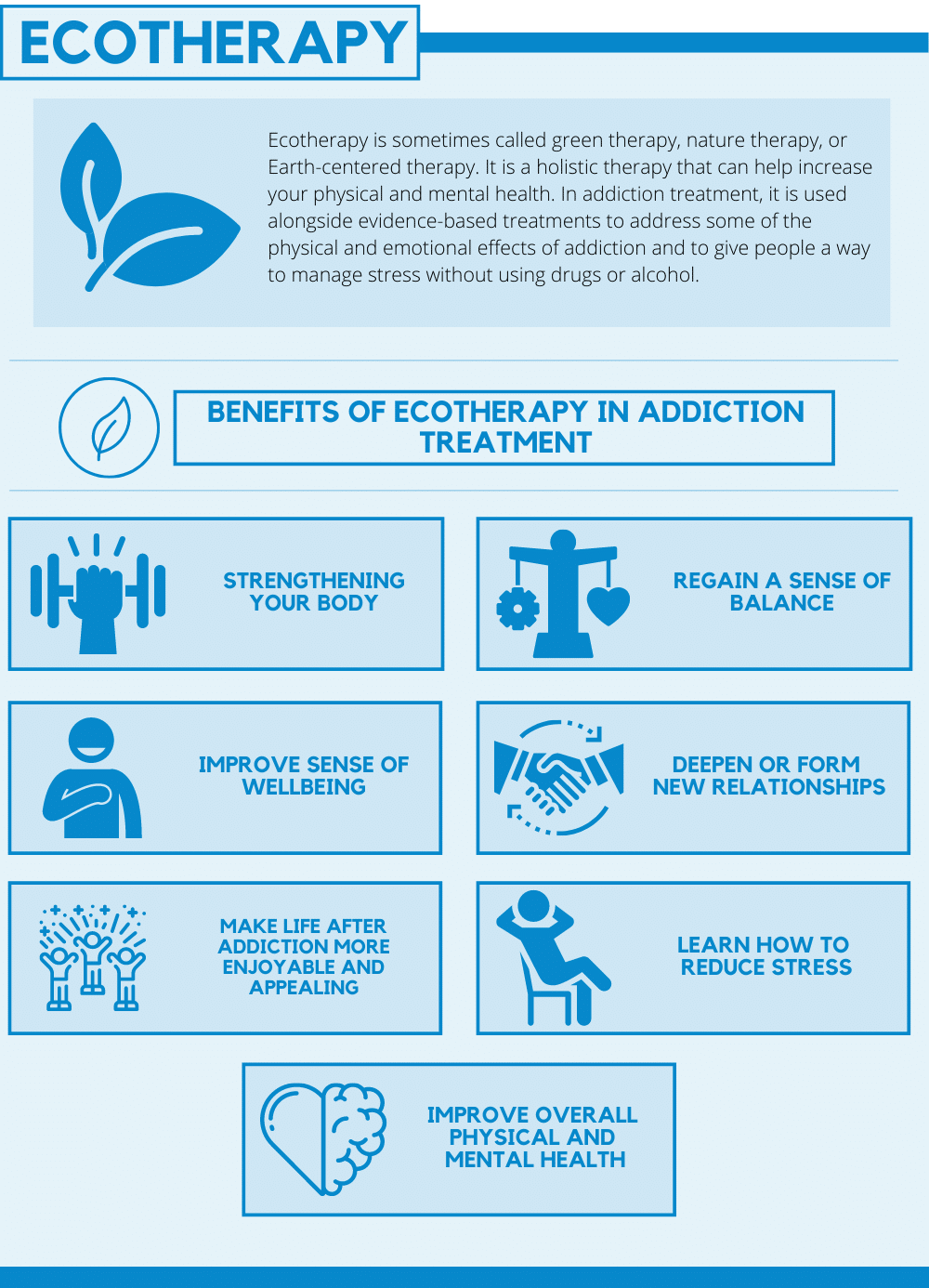
As we navigate the complexities of 2026, the global conversation surrounding mental health has shifted toward more holistic, accessible, and grounded solutions. While digital integration continues to dominate our daily lives, a powerful counter-movement is gaining momentum: ecotherapy. Often referred to as "nature therapy" or "green therapy," this practice is no longer just a fringe wellness trend; it is becoming a cornerstone of modern, evidence-based mental health care.
With public health bodies increasingly under pressure to integrate nature-based interventions into mainstream treatment, ecotherapy is proving that sometimes the most effective medicine is found not in a pill bottle, but in the great outdoors. From the "120-minute rule" to the physiological impact of forest bathing, the science supporting these nature-based interventions is more robust than ever.
Understanding the Science: Why Nature Heals
Ecotherapy is rooted in the philosophy that humans are not separate from the natural world but are an integral part of its ecosystem. By reconnecting with our environment, we can tap into restorative processes that modern, urbanized life often suppresses. But what exactly happens to your brain and body when you step outside?
The Attention Restoration Theory
Modern life is defined by constant stimuli—screens, notifications, and traffic. This relentless demand on our cognitive faculties leads to "attention fatigue." Attention Restoration Theory suggests that natural environments provide a remedy. Nature engages our attention gently and effortlessly, allowing the parts of our brain responsible for focus and executive function to recover from the urgency of daily deadlines.
Stress Reduction Theory and the Parasympathetic Nervous System
Beyond cognitive restoration, nature acts as a physiological "reset" button. Stress Reduction Theory posits that exposure to natural settings activates the parasympathetic nervous system—the branch responsible for rest and digestion. This activation lowers stress hormones and mitigates the "fight or flight" state often associated with chronic anxiety.
Quantifying the Impact: Evidence-Based Results
In 2026, the data supporting ecotherapy is no longer anecdotal. Large-scale studies and field experiments have provided concrete numbers that validate the efficacy of nature-based treatments.
The 120-Minute Threshold
One of the most practical findings for your wellness routine is the "120-minute threshold." A study of nearly 20,000 adults in England revealed a clear correlation between nature exposure and health.
- The Magic Number: Individuals who spent at least 120 minutes per week in nature were significantly more likely to report high levels of well-being.
- The Diminishing Returns: Benefits tend to peak between 200 and 300 minutes per week. Spending less than two hours a week provided no statistically meaningful difference compared to zero time, making the 120-minute mark a vital target for those looking to improve their mental health.
Physiological Changes: Cortisol and Blood Pressure
Field experiments conducted across 24 forests in Japan have provided startling evidence regarding the biological impact of forest bathing, or shinrin-yoku.
- Cortisol Reduction: Participants experienced a 13% to 16% drop in cortisol, the body’s primary stress hormone, when spending time in forest settings compared to urban environments.
- Cardiovascular Health: Systolic blood pressure saw a 2% decrease, indicating that even brief exposure to nature can have measurable effects on physical markers of stress.
Why Ecotherapy is Trending in 2026
The surge in interest surrounding ecotherapy is not accidental. Following the success of programs like "Dose of Nature," which has reported a 64% recovery rate for participants, public health officials are facing renewed pressure to adopt nature-based models.
This trend is being driven by a growing disillusionment with traditional, sedentary treatment models. As we witness the rise of "green healing," practitioners and patients alike are recognizing that the environment we inhabit significantly dictates our internal state. Whether it is through structured clinical interventions or personal daily habits, the movement toward "nature as medicine" is defining the wellness landscape of 2026.
Integrating Nature into Your Routine
You do not necessarily need a formal therapist to begin experiencing the benefits of ecotherapy. While professional guidance is recommended for those addressing specific mental health conditions, there are simple, daily steps anyone can take to harness the restorative power of the Earth.
Simple Steps for Daily Practice
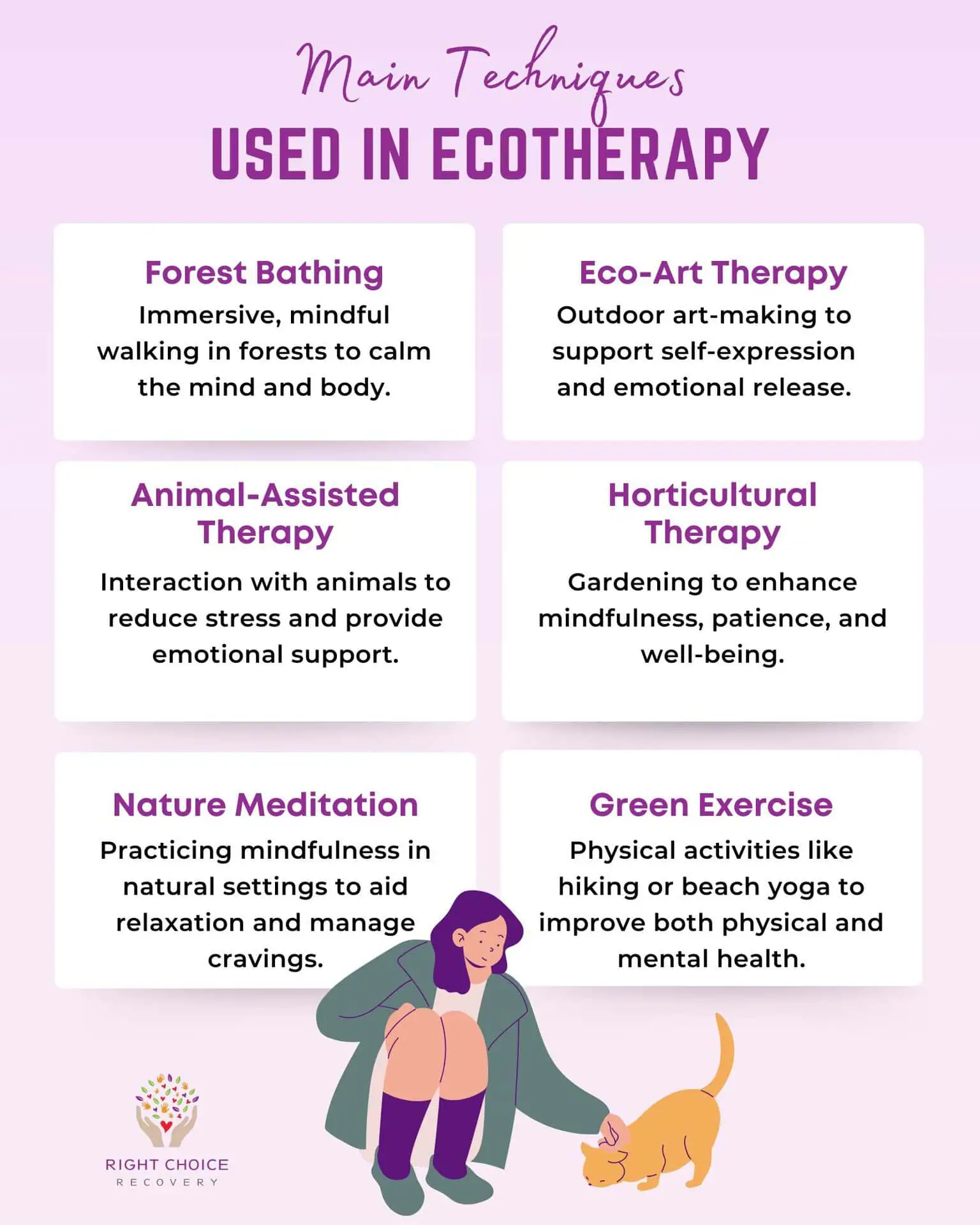
- Intentional Walking: Turn a standard walk into a mindful practice by focusing on the sensory details of your surroundings—the sound of leaves, the texture of the bark, or the smell of the air.
- Indoor Nature Integration: If outdoor access is limited, bringing plants into your home or office has been shown to improve air quality and provide a tangible sense of care, which boosts mood.
- Structured Reflection: Use your time in nature to practice guided reflection. Many ecotherapists suggest setting an intention before entering a natural space, which helps focus the mind and enhances the therapeutic outcome.
The Role of the Professional Ecotherapist
It is important to distinguish between a "wonderful nature experience" and formal ecotherapy. As experts like Patricia Hasbach, PhD, have noted, true ecotherapy involves two critical components:
- A trained professional: A licensed therapist, counselor, or certified guide who facilitates the process.
- A specific therapeutic focus: A structured, goal-oriented connection with the natural world designed to address specific psychological or physiological needs.
In 2026, the field is evolving to include more specialized practitioners who combine traditional psychotherapy with eco-psychological principles. These professionals help patients navigate the complex intersection of human mental health and the health of the planet, fostering a sense of mastery, creativity, and emotional growth.
The Intersection of Digital Fatigue and Green Recovery
The year 2026 has witnessed a paradox: as our digital infrastructure becomes more sophisticated, our collective mental health has reached a critical inflection point. The "always-on" culture, fueled by the rapid integration of AI assistants and virtual workspaces, has created a secondary epidemic of digital fatigue. This phenomenon is characterized by diminished attention spans, chronic eye strain, and a persistent, low-level anxiety that stems from an inability to disconnect.
Ecotherapy is trending precisely because it offers the most effective antidote to this technological saturation. By providing a sensory-rich environment that demands nothing from our digital identity, it allows the brain to exit "high-alert" mode.
The Mechanism of Sensory Restoration
When you step away from your screens and into a natural landscape, your brain undergoes a rapid shift in processing. This is not just a psychological preference; it is a neurological necessity.
- Visual Complexity: Unlike the rigid, linear lines of a computer screen, nature offers "fractal geometry"—patterns that repeat at different scales. Research indicates that the human brain is hard-wired to process these patterns with minimal effort, which contributes to the deep relaxation reported by participants in forest bathing programs (Source 2).
- Auditory Landscapes: The sounds of nature, often referred to as "biophony," have been shown to lower heart rates compared to the "technophony" of urban environments. Even the subtle rustle of wind through leaves serves as a biological signal of safety, helping to downregulate the amygdala.
Why Corporate Wellness is Pivoting to Nature
Major organizations are now recognizing that productivity is not a function of hours logged, but of cognitive restoration. In 2026, we are seeing a massive shift in corporate wellness programs toward Nature-Based Interventions (NBI).
- Walking Meetings: Replacing sedentary boardroom sessions with guided walking meetings in local parks.
- Biophilic Office Design: Moving beyond simple desk plants to the installation of "living walls" and natural lighting systems designed to mimic the circadian rhythms of the sun.
- Nature-Based Sabbaticals: Offering employees structured "green time" to prevent burnout, acknowledging that the 120-minute threshold is a vital metric for maintaining long-term workforce health (Source 2).
Ecotherapy for Specific Populations: Tailored Approaches
While the general population benefits from routine exposure to nature, ecotherapy is increasingly being utilized as a precise clinical tool for specific health challenges. The versatility of the practice allows it to be adapted for individuals with chronic conditions who may find traditional clinical settings intimidating or sterile.
Navigating Chronic Illness with Nature
For individuals living with conditions like Type 2 Diabetes, Rheumatoid Arthritis, or chronic respiratory issues, ecotherapy provides a low-impact, accessible way to manage the psychological burden of a diagnosis.
- Pain Management: Evidence suggests that viewing nature—or being immersed in it—can shift the brain's focus away from chronic pain signals, providing a natural analgesic effect (Source 1).
- Building Resilience: Chronic illness often creates a sense of isolation. Ecotherapy groups allow patients to engage in a shared activity that is not centered on their pathology, but on the communal act of interacting with the environment.
Supporting Children’s Cognitive Development
The rise of "Nature Deficit Disorder"—a term gaining traction in 2026 pediatric circles—highlights the risks of depriving children of outdoor play. Natural environments act as a laboratory for emotional and cognitive growth.
- Risk-Taking and Mastery: Nature provides a safe space for children to test physical boundaries, which builds confidence and emotional self-regulation (Source 2).
- Creative Problem Solving: Unstructured play in green spaces encourages children to invent games and navigate complex, changing environments, which is essential for developing executive function.
The Role of "Green Prescriptions" in Modern Healthcare
We are living through a transformative era for medical practice, where the term "Green Prescription" is becoming as common as a traditional pharmacy script. Public health systems, particularly in Europe and parts of North America, are now formally incorporating nature-based referrals into their standard care pathways for depression and anxiety.
How a Green Prescription Works
When a patient presents with symptoms of mild-to-moderate anxiety or seasonal affective disorder, their provider may opt for a nature-based referral rather than immediate pharmaceutical intervention.
- Assessment: The practitioner identifies the patient’s specific needs, such as a requirement for social interaction or a need for solitary restoration.
- Referral: The patient is connected with local community gardening projects, hiking groups, or guided forest bathing sessions.
- Accountability: Because these programs are often managed by community health organizations, there is a mechanism for follow-up to ensure the patient is meeting the 120-minute weekly goal required to see significant improvements in mental health outcomes (Source 2).
Addressing the Barriers to Access
Despite the clear benefits, the movement faces structural challenges. Not everyone has equal access to high-quality green space. Urban planning in 2026 is beginning to address this by prioritizing "green equity."
- Urban Greening Projects: Cities are converting abandoned industrial zones into "pocket parks" to ensure that residents in dense urban centers are within a 10-minute walk of a natural space.
- Mobile Nature Initiatives: For those with limited mobility, programs are being developed to bring nature into care homes and hospitals, ensuring that the healing power of the Earth is not restricted to those who can hike or travel long distances.
The Future of Ecotherapy Research: What’s Next?
As we look toward 2027 and beyond, the scientific community is moving from asking "Does ecotherapy work?" to "How can we optimize it for maximum impact?" The current research, while robust, is only the beginning of a larger movement to integrate ecological health with human biology.
The Microbiome Connection
One of the most exciting frontiers in ecotherapy research is the study of the "Old Friends" hypothesis—the idea that exposure to diverse soil microbes and natural air quality improves the human microbiome.
- Immune System Modulation: Preliminary studies suggest that interacting with natural soil and plants helps "train" our immune systems, reducing inflammation and potentially lowering the risk of autoimmune responses (Source 2).
- The Gut-Brain Axis: Emerging data indicates that the health of our internal microbiome, bolstered by environmental contact, has a direct impact on neurotransmitter production, which in turn influences mood and emotional stability.
Technological Integration: Virtual Reality vs. The Real Thing
With the rise of high-fidelity Virtual Reality (VR), some are questioning if "digital nature" can provide the same benefits as the real thing. While VR can certainly trigger relaxation responses, current research suggests it cannot replicate the full spectrum of sensory input—such as the specific light spectrum of the sun or the complex olfactory profile of a forest—that is essential for the full Stress Reduction Theory effect (Source 2).
Expanding the Definition of "Nature"
The definition of nature is expanding in 2026 to include more than just pristine wilderness. We are now recognizing the therapeutic value of:
- Urban Horticulture: Tending to a vegetable patch or a balcony garden creates a sense of agency and connection to cycles of growth that are often lost in modern life (Source 3).
- Blue Spaces: Water-based environments—lakes, rivers, and coastal areas—are proving to be just as effective as green spaces for lowering stress and inducing a meditative state.
- Wildlife Observation: Engaging with animals and birds in their natural habitat provides a sense of wonder and perspective that is highly effective for grounding individuals experiencing acute existential distress.
DIY Ecotherapy: Building Your Personalized Nature Routine
You do not need a clinical diagnosis or a formal referral to start building your own ecotherapy practice. In fact, the most sustainable approach is to weave these interventions into the fabric of your daily life. The key is consistency over intensity.
The 120-Minute Strategy
To maximize the benefits described in the latest research, you should aim for a cumulative total of two hours per week.
- Segmenting the Time: If you cannot manage a single two-hour block, it is perfectly acceptable to break this into smaller chunks. Four 30-minute walks are just as effective as one long excursion (Source 2).
- Tracking Your Progress: Use a simple habit tracker or journal to note your mood before and after your nature time. You will likely notice a pattern of increased clarity and reduced tension after just a few weeks.
- Prioritizing Quality: Not all outdoor time is created equal. A walk in a busy city center is fundamentally different from a walk in a quiet park. Seek out areas with high levels of "soft fascination"—places where your attention is naturally drawn to leaves, water, or birds, rather than traffic lights and construction.
Creating a Nature-Rich Indoor Environment
For those living in environments where outdoor access is constrained by climate, health, or geography, the indoor-nature connection is vital.
- Sensory Gardening: Focus on plants that provide sensory feedback. Herbs like lavender or mint offer olfactory benefits, while the texture of succulents or ferns provides visual and tactile stimulation (Source 3).
- Circadian Lighting: Use smart lighting that shifts color temperature throughout the day to mimic the sun, which can help regulate your internal clock and improve sleep quality—a key component of emotional resilience.
- Nature-Inspired Audio: When working at your desk, replace standard background music with high-quality field recordings of natural environments. These "soundscapes" can help maintain focus and reduce the cognitive load of intense work periods.
Addressing the Limitations: When to Seek Professional Help
While ecotherapy is a powerful tool for wellness, it is not a panacea. It is essential to recognize the boundary between self-care and medical necessity.
When Ecotherapy Should Be Supplementary
For individuals suffering from severe clinical conditions, such as major depressive disorder, bipolar disorder, or post-traumatic stress disorder (PTSD), ecotherapy should always be used as a supplement to—not a replacement for—evidence-based medical treatment.
- The Need for Supervision: A certified ecotherapist can help ensure that the nature-based experience is safe and structured to meet specific therapeutic goals (Source 3).
- Safety First: When engaging in wilderness-based therapy, ensure that you have the appropriate gear, knowledge of the terrain, and a plan for emergencies. The goal is to reduce stress, not to introduce new physical dangers.
Understanding the "Eco-Anxiety" Component
In 2026, we are also seeing the emergence of "eco-anxiety"—the distress caused by climate change and environmental degradation. For some, spending time in nature can actually trigger feelings of grief or helplessness.
- Reframing the Experience: An ecotherapist can help navigate these complex emotions, moving the patient from a state of paralysis to one of active stewardship. By participating in local conservation or community gardening, individuals can regain a sense of agency and purpose, which is a powerful antidote to climate-related distress.
The Socio-Economic Impact of Natural Healing
The shift toward ecotherapy is also a response to the rising costs of healthcare. As we look for ways to make wellness more accessible, nature emerges as a cost-effective, high-impact resource.
Democratizing Health
Traditional therapy can be prohibitively expensive and time-consuming. Ecotherapy, by contrast, utilizes the most abundant resource on the planet.
- Community-Led Initiatives: Many of the most successful programs in 2026 are community-led, utilizing local volunteers and existing green spaces. This model reduces the financial barrier to entry and builds social cohesion.
- Reduced Burden on Systems: By preventing the onset of chronic stress-related illnesses, nature-based interventions have the potential to reduce the long-term strain on public health systems, shifting the focus from reactive care to proactive, preventative maintenance.
The Global Movement
This is not a localized trend; it is a global shift. From the shinrin-yoku practitioners in Japan to the friluftsliv (open-air life) advocates in Scandinavia, cultures around the world are rediscovering the foundational truth that our health is inextricably linked to the health of the Earth.
Practical Daily Rituals for 2026
To integrate the findings of current research into your own life, start by identifying the barriers currently preventing you from spending time outdoors. Is it lack of time? Lack of proximity? Or simply a lack of habit?
The "Morning Reset"
Start your day with ten minutes of intentional outdoor time, regardless of the weather.
- The Goal: To reset your circadian rhythm and prime your brain for the day ahead.
- The Practice: Step outside, take five deep breaths, and observe three specific things in your environment—a specific bird, the texture of a stone, or the color of the sky. This simple act of observation engages the prefrontal cortex and helps you transition out of the sleep-state into a state of alert, calm focus.
The "Mid-Day Decompression"
Break up your workday with a 20-minute walk.
- The Goal: To trigger the Attention Restoration process and prevent cognitive fatigue.
- The Practice: Leave your phone behind or, if you must take it, keep it in "do not disturb" mode. Focus entirely on the sensory details of your path. If you are in a city, look for trees or even small patches of greenery. The key is to shift your attention from the abstract, digital world to the physical, tangible one.
The "Evening Unwinding"
Use your evening time to reconnect with the natural world through a slower, more reflective practice.
- The Goal: To activate the parasympathetic nervous system and prepare the body for restorative sleep.
- The Practice: Spend time in a garden, on a balcony, or simply by an open window. If you have plants, take a moment to care for them—watering or pruning is a form of "micro-ecotherapy" that fosters a sense of stewardship and peace (Source 3).
The Ethical Dimension of Ecotherapy
As the popularity of ecotherapy grows, so does the need for an ethical framework that ensures we are not just "using" nature for our own benefit, but also fostering a reciprocal relationship with the environment.
Reciprocity as a Therapeutic Goal
True ecotherapy encourages a shift in mindset: from seeing nature as a resource to seeing it as a partner.
- Stewardship: By engaging in activities that help the environment—such as planting native species, cleaning up local trails, or participating in citizen science projects—we move from a passive recipient of nature’s benefits to an active participant in its health.
- Humility: Spending time in the wild reminds us of our place in the larger ecosystem. This sense of perspective is profoundly grounding and can help alleviate the narcissism often fostered by our digital lives.
Protecting Natural Spaces
As more people recognize the healing power of nature, there is an increased risk of over-tourism in our green spaces.
- Leave No Trace: It is essential that the ecotherapy movement promotes the "Leave No Trace" philosophy. Our healing should not come at the expense of the ecosystems we are visiting.
- Advocacy: As beneficiaries of these spaces, we have a responsibility to advocate for their protection. Supporting land trusts and conservation efforts is a natural extension of an ecotherapeutic practice.
The Evolution of the "Ecotherapist" Identity
In the past, the term "therapist" implied a person in an office. In 2026, the identity of the therapist is expanding. We are seeing a new class of professionals who are trained not just in psychology, but in ecology, biology, and environmental science.
The Multidisciplinary Approach
The most effective ecotherapists are those who can bridge the gap between the human mind and the natural world.
- Clinical Knowledge: They understand the nuances of mental health conditions and the limitations of various treatments.
- Ecological Literacy: They possess a deep understanding of the local flora, fauna, and geological history of the areas where they work. This allows them to act as guides, helping patients find meaning and connection in their surroundings.
Training and Certification
As the field matures, we are seeing the development of formal certification programs for ecotherapists. This is a vital step in ensuring the quality and safety of the practice.
- Standardizing Care: Certification ensures that practitioners are well-versed in both clinical ethics and the complexities of working in outdoor environments.
- Building Professional Communities: These organizations provide a platform for research, collaboration, and the development of best practices, ensuring that ecotherapy remains a rigorous, evidence-based field.
The Long-Term Vision for Ecotherapy
As we look toward the end of the decade, the goal is for ecotherapy to become a standard component of our societal health infrastructure.
A Future of "Green Infrastructure"
Imagine a future where urban planning, architecture, and public health policy are all designed with the Attention Restoration Theory and Stress Reduction Theory in mind.
- Living Cities: Buildings that breathe, parks that function as mental health clinics, and transit systems that integrate green pathways.
- Holistic Health: A healthcare system that recognizes the profound impact of our environment on our well-being and invests in nature as a primary form of preventative care.
The Personal Transformation
Ultimately, the most important change happens at the individual level. By choosing to step outside, by choosing to cultivate a relationship with the natural world, we are making a radical decision to prioritize our own health and the health of the planet.
The journey into ecotherapy is not just about feeling better; it is about remembering who we are. We are part of the Earth, and in returning to it, we find the healing we have been searching for all along. Whether it is a two-hour walk in a forest, a few minutes in a local park, or tending to a plant on your windowsill, every moment of connection counts. In 2026, the most advanced, high-tech, and effective medical intervention available is, and has always been, the natural world itself.
Navigating the Seasonal Shifts in Ecotherapy
One of the nuances often overlooked in the pursuit of the 120-minute weekly goal is how the changing seasons affect our interaction with nature. In 2026, practitioners are emphasizing the importance of "seasonal attunement"—adjusting your nature practices to align with the rhythms of the environment, rather than forcing a static routine.
Winter: The Season of Reflection
Winter, often viewed as a time to stay indoors, offers unique opportunities for grounding.
- The Beauty of Stillness: The reduced stimuli in a winter landscape—bare trees, muted colors, and the silence of snow—can be incredibly restorative for those experiencing sensory overload.
- Cold Exposure Benefits: Emerging research suggests that brief, safe exposure to colder temperatures can stimulate the immune system and increase alertness. A short, brisk walk in the crisp winter air can be a powerful mental stimulant.
- Indoor Nature: Focus on the "hearth" aspect of the home—bringing in evergreen boughs, dried flowers, or even just maximizing natural light during the short winter days to combat seasonal affective symptoms.
Spring: The Season of Growth
Spring is the ideal time to increase the intensity of your ecotherapy practice.
- Renewed Energy: The visual and auditory cues of spring—birdsong, budding leaves, and warming temperatures—are naturally energizing. This is the perfect time to engage in more active forms of nature therapy, such as hiking or gardening.
- Symbolic Healing: The metaphorical power of spring—a time of renewal and rebirth—can be a powerful psychological tool for those looking to move past a difficult period in their lives. Use your time in nature to set intentions for growth and change.
Summer: The Season of Expansion
Summer provides the most accessible conditions for long-duration outdoor activities.
- The 300-Minute Peak: If you have been working toward the 200-300 minute weekly threshold, summer is the time to hit it comfortably (Source 2).
- Blue Space Integration: Take advantage of the warmer weather to incorporate water-based activities. Swimming, kayaking, or simply sitting by a body of water provides a unique "blue mind" effect that complements the green forest-bathing experience.
- Social Nature: Use the long evenings for group-based nature activities. Social connection in a natural setting provides a double boost to mental health, combining the restorative power of nature with the support of community.
Autumn: The Season of Letting Go
Autumn is a time for processing and closure.
- Mindful Observation: The dramatic color changes in the landscape provide a perfect backdrop for mindful reflection. The act of watching leaves fall can be a powerful meditative practice, helping to cultivate the ability to "let go" of stressors or patterns that no longer serve you.
- Harvesting and Grounding: Engaging in the harvest—whether in a community garden or by picking seasonal fruits—connects you directly to the cycle of the Earth. This tangible, productive activity is excellent for reducing anxiety and fostering a sense of accomplishment.
The Role of Technology in Facilitating Ecotherapy
While the goal of ecotherapy is to disconnect from the digital, technology can ironically serve as a bridge to help us spend more time in nature. In 2026, we are seeing a surge in "nature-tech" that supports, rather than distracts from, our outdoor experiences.
Apps that Enhance the Experience
- Citizen Science Platforms: Apps that allow you to identify and catalog local flora and fauna turn a walk into an active, engaging project. This sense of discovery can significantly enhance the therapeutic value of your time outdoors.
- Nature-Based Mindfulness: There are now numerous apps that provide guided meditations specifically designed to be listened to while walking in nature. These combine the benefits of mindfulness with the restorative effects of the environment.
- Trail and Space Finders: For those living in urban environments, apps that map out "hidden" green spaces and quiet parks are essential for breaking down the barrier of proximity.
The "Analog" Shift
Despite these technological aids, the most important trend in 2026 is the conscious "analog shift." People are increasingly choosing to leave their devices behind entirely.
- The "Device-Free" Commitment: By intentionally choosing to enter a natural space without a phone, you remove the temptation to document, share, or check messages. This allows for a deeper, more authentic connection with your surroundings.
- The Return to Paper: Many are returning to physical journals to record their thoughts after a nature session, finding that the act of writing by hand is a more grounding, meditative experience than typing on a screen.
Community-Based Ecotherapy: The Power of Shared Experience
While solitary nature time is vital, there is a profound, unique benefit to engaging in ecotherapy as part of a group. In 2026, community-based nature programs are becoming a cornerstone of public health, particularly in addressing loneliness and social isolation.
The Benefits of Shared Green Time
- Reduced Social Anxiety: Engaging in an activity alongside others in a natural setting can be less intimidating than face-to-face social settings. The shared focus on the environment takes the pressure off the individual.
- Communal Support: Groups that meet regularly to garden, hike, or practice nature-based mindfulness create a sense of belonging and mutual support that is often missing in modern, fragmented societies.
- Collective Stewardship: Working together to improve a local park or community garden creates a sense of shared purpose. This "pro-social" behavior is strongly linked to improved mental health and a greater sense of life satisfaction.
How to Find or Start a Group
- Local Organizations: Check with your local parks department, community centers, or conservation groups. Many are now offering structured nature-based programming.
- Online Communities: Use platforms designed to connect people with local interest groups. Search for "nature walking," "community gardening," or "forest bathing" in your area.
- Starting Your Own: If you can't find a group, start one. Even a small, informal gathering of friends who commit to a weekly walk in a local park can grow into a powerful, supportive community.
The Intersection of Ecotherapy and Urban Planning
As the benefits of ecotherapy become more widely recognized, urban planning is undergoing a radical shift. The city of the future is being designed as a therapeutic space.
Designing for Mental Health
- The "10-Minute Walk" Standard: Cities are increasingly prioritizing the goal of ensuring that every resident is within a 10-minute walk of a high-quality green space.
- Biophilic Architecture: New developments are incorporating natural elements into the very structure of buildings. This includes rooftop gardens, interior courtyards, and vertical forests that improve air quality and provide visual relief from the urban landscape.
- Quiet Zones: Urban planners are creating designated "quiet zones" in cities—areas specifically designed to minimize noise pollution and provide a space for reflection and decompression.
The Role of Policy
- Incentivizing Green Space: Local governments are providing tax incentives for developers who prioritize green space and sustainable design.
- Protecting Existing Spaces: There is a growing movement to protect existing urban forests and wetlands from development, recognizing them as essential public health infrastructure.
- Green Equity: There is a concerted effort to ensure that green space is distributed equitably across all neighborhoods, addressing the historical disparities that have left some communities without access to nature.
The Psychological Depth of Eco-Psychology
To truly understand the benefits of ecotherapy, one must delve into the field of eco-psychology. This discipline explores the underlying psychological, emotional, and spiritual connections between humans and the natural world.
Reconnecting with the "Ecological Self"
Eco-psychology suggests that our mental health is not just a personal matter, but an ecological one.
- Expanding the Self: By recognizing our place within the larger web of life, we move beyond the narrow, individualistic focus that often drives anxiety and depression. This "ecological self" is broader, more resilient, and more connected.
- Healing the Split: Our modern lives are built on the assumption that we are separate from nature. Eco-psychology helps us heal this split, fostering a sense of belonging and purpose that is deeply grounding.
Practical Applications of Eco-Psychology
- Nature-Based Therapy: Many therapists are now incorporating eco-psychological principles into their practice, helping clients explore their relationship with the natural world as a key component of their overall mental health.
- Reflective Practices: Eco-psychology encourages us to use the natural world as a mirror for our own internal states. By observing the cycles of growth, decay, and renewal in nature, we can gain a deeper understanding of our own life transitions.
The Global Reach of the Nature-as-Medicine Movement
The movement toward nature-based health is not limited to any one region. It is a truly global phenomenon, with each culture bringing its own traditions and perspectives to the practice.
International Examples
- Japan (Shinrin-yoku): The gold standard of forest bathing, with decades of rigorous scientific research supporting its physiological and psychological benefits (Source 2).
- Scandinavia (Friluftsliv): A cultural commitment to spending time in the outdoors, regardless of the weather, which is credited with high levels of happiness and resilience.
- United Kingdom (Social Prescribing): The national health system’s formal integration of nature-based referrals, which is setting the standard for how to implement ecotherapy on a large, public-health scale.
- North America (Nature Therapy): A rapidly growing field that is blending traditional clinical psychology with nature-based interventions, creating a unique, evidence-based approach to mental health.
The Potential for Global Collaboration
As the field continues to grow, there is immense potential for international collaboration. By sharing research, best practices, and innovative program models, we can create a truly global movement that prioritizes the healing power of nature as a fundamental human right.
Sustaining the Movement: Challenges and Opportunities
As we look toward the future, the ecotherapy movement faces both significant challenges and exciting opportunities.
Challenges
- Maintaining Standards: As the term "ecotherapy" becomes more popular, there is a risk of dilution. It is essential to maintain rigorous standards for professional training and evidence-based practice.
- Addressing Inequality: We must ensure that the benefits of ecotherapy are accessible to everyone, regardless of their socio-economic status or geographic location.
- Balancing Use and Conservation: We must find a balance between encouraging people to spend time in nature and protecting the ecosystems that provide that benefit.
Opportunities
- Integrating into Mainstream Healthcare: The greatest opportunity lies in the full integration of ecotherapy into our standard medical and mental health systems.
- Technological Innovation: Continued innovation in nature-based tech and virtual reality, if used carefully, can provide new ways to connect people with the restorative power of the environment.
- Cultural Shift: The most profound opportunity is the ongoing cultural shift toward a more sustainable, nature-connected way of living. This shift has the potential to transform not just our mental health, but our relationship with the planet as a whole.
The Essential Role of Individual Agency
While systemic change is crucial, the most immediate and impactful changes often start with the individual. By choosing to prioritize your own connection to the natural world, you are contributing to a larger movement that is redefining what it means to be healthy in the 21st century.
Your Personal Commitment
- Start Small: Do not feel the need to overhaul your entire life. Start with small, manageable steps—a 10-minute walk, a balcony garden, or a weekly visit to a local park.
- Be Consistent: The benefits of ecotherapy are cumulative. The key is to make it a regular part of your routine.
- Be Mindful: The quality of your nature time matters. Practice being present and fully engaged with your environment.
- Share the Journey: Encourage friends, family, and colleagues to join you. The more we normalize the practice of spending time in nature, the more accessible it becomes for everyone.
The Ripple Effect
Every person who engages in ecotherapy sends a ripple through their community. By demonstrating the benefits of nature-based living, you are helping to shift the cultural narrative. You are showing that health is not just about the absence of disease, but about the presence of connection—to ourselves, to each other, and to the Earth that sustains us.
As we continue to navigate the complexities of 2026 and beyond, let us remember that the most powerful tool for our well-being is always right outside our door. The healing power of nature is not a luxury; it is a fundamental human need. By embracing it, we can find the balance, clarity, and peace that we so desperately need in our modern, fast-paced world. The journey toward a healthier, more connected future begins with a single step—out the door, into the light, and back into the wild.
References
-
Healthline — Ecotherapy: Types, Benefits, and DIY Tips – Healthline, 2026
-
Scienceinsights — What Is Ecotherapy? Types, Benefits, and More – ScienceInsights, 2026
-
Mantracare — Ecotherapy: Benefits, Drawbacks, Limitations and More, 2026
-
Forbes — Ecotherapy (Nature Therapy): Does It Work? – Forbes Health, 2026
-
Sciencedirect — Green healing: Ecotherapy as a transformative model of health and …, 2026
-
Counselling-directory — Ecotherapy: benefits, types, and how nature therapy can help …, 2026
-
Reachlink — 7 Transformative Ecotherapy Benefits for Mental Health, 2026
-
Everydayhealth — What Is Ecotherapy? Nature Therapy for Beginners – Everyday Health, 2026