Easy Nature Therapy Ideas For Everyday Life

The relentless pace of modern life in 2026 leaves many feeling disconnected, stressed, and yearning for a simpler way to find peace. We're bombarded by digital notifications, global events, and the constant pressure to perform. Yet, a potent and readily available antidote exists: the natural world. Nature therapy, also known as ecotherapy or green therapy, offers accessible and profound benefits for mental, emotional, and physical well-being. It's not about grand expeditions; it's about weaving small, meaningful moments of connection with nature into the fabric of our daily lives. This article will explore easy nature therapy ideas that are not only practical for 2026 but are scientifically backed and designed to help you reduce stress, improve mood, and reconnect with yourself.
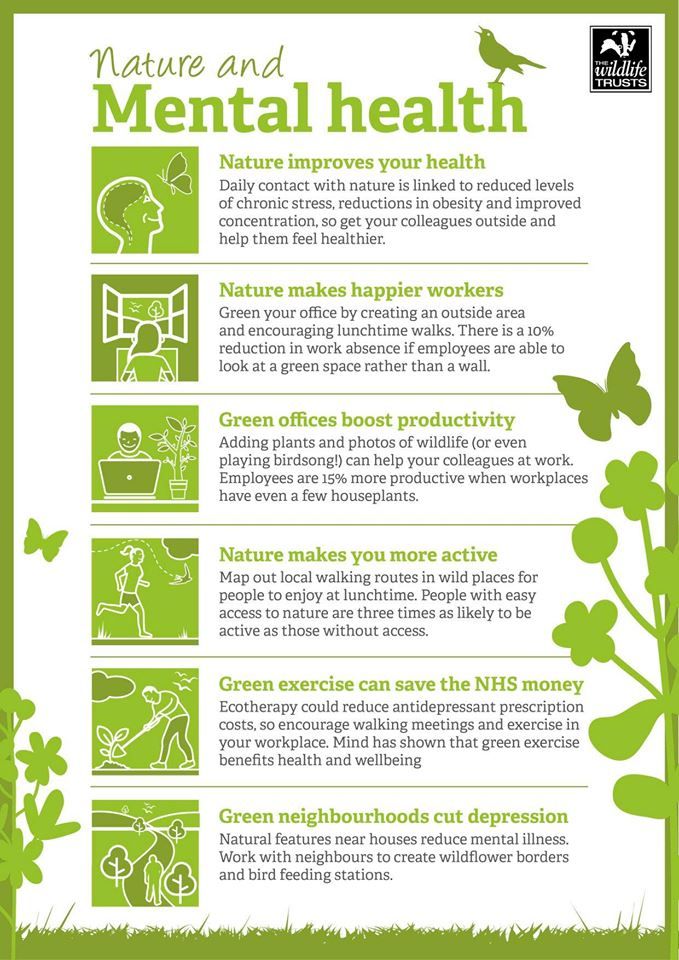
The research is clear: spending time in nature can significantly lower cortisol levels, reduce blood pressure, and even boost our immune systems. A key concept is Attention Restoration Theory (ART), which posits that natural environments, with their "soft fascination," can effortlessly replenish our cognitive batteries and improve focus, a much-needed respite from the "hard fascination" of screens and demanding tasks. As we delve into these everyday nature therapy activities, remember that consistency is key. Even short, intentional engagements with the outdoors can cultivate a lasting sense of calm and resilience.
The Science of Nature's Healing Power in 2026
In 2026, our understanding of the interconnectedness between human well-being and the natural environment is deeper than ever. Ecopsychology provides a framework for this understanding, exploring our emotional bonds with the Earth. Studies consistently reveal that even brief encounters with nature can mitigate stress, anxiety, and symptoms of depression. For instance, forest bathing (Shinrin-Yoku), a practice popularized in Japan, has demonstrated notable reductions in stress hormones like cortisol and enhanced immune responses. Experts suggest that a minimum of 120 minutes per week immersed in nature can yield significant benefits, a target that can be achieved through simple, integrated practices.
Furthermore, the presence of urban greenery plays a vital role. Projects like London's Urban Mind have highlighted how living near or simply encountering green spaces, such as hearing birdsong, can lower the risk of depression by approximately 20% and reduce feelings of loneliness by 28%. This underscores the fact that nature-based mental wellness is accessible even in urban settings. Active engagement, like gardening, amplifies these positive effects. Pilot studies in Germany have shown that nature-based therapy for psychosomatic patients led to significant reductions in depression scores and an overall increase in well-being, with participants reporting feeling nurtured and deeply connected. This connection is further explained by theories like the Calm and Connection Theory, which suggests that nature can promote the release of oxytocin, fostering feelings of safety and belonging.
Reducing Stress and Anxiety Through Nature Immersion
Nature therapy is a powerful tool for mental health, offering a gentle yet effective way to manage the pressures of modern life. By consciously engaging our senses with the natural world, we can shift our nervous system from a state of chronic stress to one of calm alertness. This shift is crucial for long-term mental clarity and emotional balance. The simple act of stepping outside can reset our thoughts, making mundane tasks feel lighter and more meaningful. The rhythmic sounds of nature, like wind rustling through leaves or water flowing, can create a meditative effect, slowing down our heart rate and promoting relaxation.
Enhancing Mood and Emotional Well-being
The positive impact of nature on our mood is undeniable. Studies show that exposure to natural environments can significantly lift spirits and combat feelings of sadness or lethargy. When we spend time outdoors, we tap into a sense of wonder and awe, reminding us of something larger than ourselves. This can foster a sense of groundedness and perspective, especially when anxiety is high. Nature's inherent beauty and resilience can serve as a powerful metaphor for our own capacity to overcome challenges and grow. Even brief moments of appreciating the natural world can trigger the release of endorphins, leading to a more uplifted emotional state.
Improving Focus and Cognitive Function
In our hyper-connected world, maintaining focus can be a challenge. Nature therapy activities offer a natural solution. As per Attention Restoration Theory, natural scenes engage our attention effortlessly, allowing our cognitive resources to recover. This "soft fascination" is a stark contrast to the demanding, focused attention required by digital devices. Whether it's observing the intricate patterns on a leaf or the movement of clouds, these experiences allow our minds to wander gently, leading to enhanced creativity and problem-solving abilities. Engaging with nature can act as a "mental reset," clearing away mental fog and improving productivity.
Easy Nature Therapy Ideas for Everyday Life in 2026
Embracing nature therapy doesn't require a complete lifestyle overhaul or expensive equipment. The beauty lies in its simplicity and accessibility. Here are easy nature therapy ideas you can weave into your daily routine, ensuring you can experience its benefits consistently.
1. Mindful Morning Moments Outdoors
Start your day with a dose of nature to set a positive tone. Even a few minutes can make a significant difference in your overall well-being.
- Barefoot Earth Connection: Step outside first thing in the morning, preferably onto grass or soil. Remove your shoes and feel the direct connection with the earth. This practice, known as grounding, is believed to reduce inflammation and improve sleep quality by regulating your body’s electrical charge. Even five minutes of barefoot contact while enjoying your morning coffee can synchronize your circadian rhythms and reduce stress hormones.
- Sunrise Awareness Ritual: Instead of immediately reaching for your phone, dedicate a few minutes to observing the sunrise or simply the morning light. Notice the changing colors, the quality of the light, and the subtle sounds of the waking world. This creates a mindful start to your day, fostering a sense of peace and presence.
- Listen to Nature's Symphony: Sit by an open window or on your balcony/porch and simply listen. Tune into the natural sounds around you: birdsong, the rustling of leaves, the distant hum of nature. This simple act can be incredibly calming and help you feel more connected to your environment.
2. Nature Walks and Mindful Observation
Incorporating short walks into your routine is one of the most effective ecotherapy exercises. It’s a simple yet profound way to engage with the environment.
- Immersive Nature Walks: Choose a local park, a nature trail, or even a tree-lined street. The key is to walk slowly and deliberately, focusing on your breathing and the sensory experiences around you. Pay attention to the sights, sounds, textures, and even smells of nature. Notice the vibrant green of the leaves, the rough bark of trees, the sound of birds, or the feel of a gentle breeze.
- Mindful Observation Exercise: Find a comfortable spot outdoors where you can sit quietly. Select one element of nature to focus on – a flower, a leaf, a cloud, or even an insect. Spend at least ten minutes observing it closely. Notice its colors, shapes, movements, and any other unique characteristics. Breathe deeply, and allow your thoughts to come and go without judgment, fully immersing yourself in the present moment. This practice cultivates deep awareness and appreciation for the details often missed in our busy lives.
3. Nature Journaling and Creative Expression
Combine reflection and creativity to deepen your connection with the environment. Nature journaling is a rewarding practice that promotes mindfulness and self-discovery.
- Sensory Journaling: Take a notebook and pen with you on your next outdoor excursion. Write about what you see, hear, smell, touch, and even taste (if applicable and safe). Describe the textures of plants, the scent of pine needles, the sound of a babbling brook. Include sketches of anything that inspires you. Reflect on how being in nature impacts your mood, thoughts, or feelings. This creative outlet can provide valuable insights into your emotional state and your relationship with the natural world.
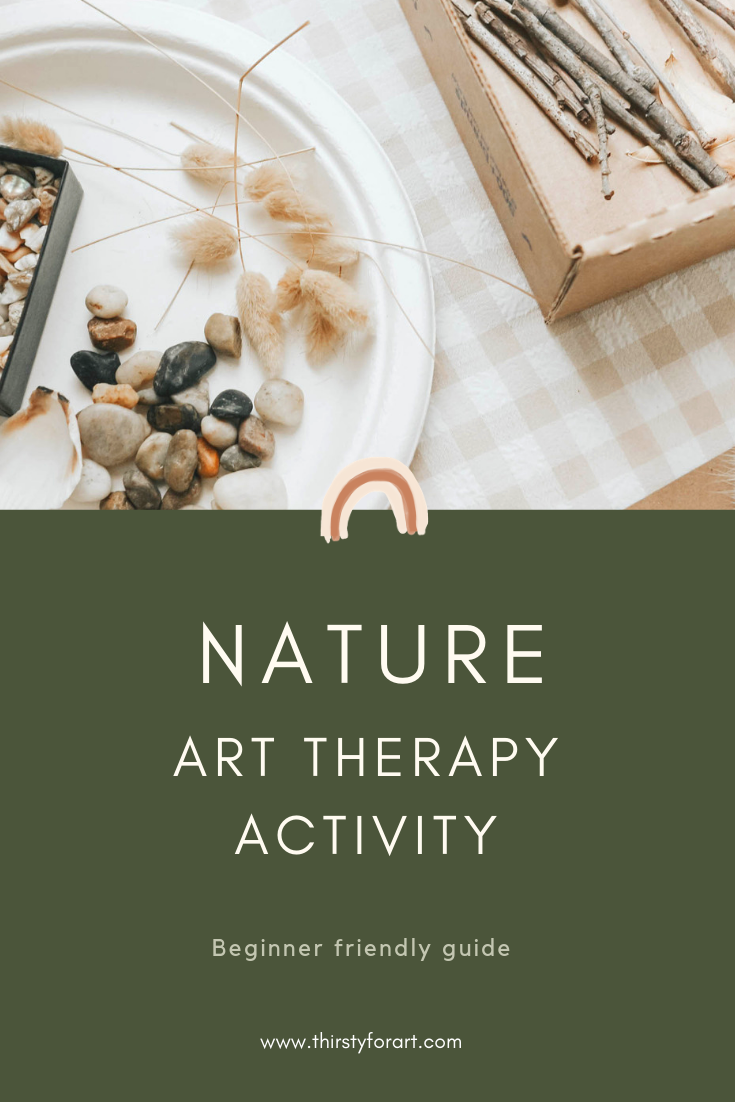
- Eco-Art Projects: Engage your creative side by using natural materials. Collect fallen leaves, twigs, stones, or flowers and create simple art. You can arrange them into patterns on the ground, press them for later use, or even create small sculptures. This hands-on activity brings a playful and imaginative dimension to your nature therapy practice.
4. Bringing Nature Indoors
Even if you live in a bustling city or have limited access to green spaces, you can still bring the benefits of nature into your home. These indoor nature therapy ideas are perfect for daily micro-doses of natural calm.
- Houseplant Haven: Invest in a few houseplants. They not only purify the air but also bring a sense of life and tranquility indoors. Caring for plants – watering them, watching them grow – can be a meditative and grounding experience. Research suggests that the presence of plants can reduce stress and improve mood. Consider low-maintenance options like snake plants, spider plants, or succulents if you're new to plant care.
- Nature-Inspired Decor: Introduce elements of nature into your home through decor. Framed natural artwork, like landscape paintings or photographs of natural scenes, can create a calming atmosphere. Incorporate natural materials like wood, stone, or bamboo in furniture and accessories. The sight of these elements can evoke a sense of peace and connection.
- Bird Feeders and Window Gardens: If you have a balcony or window, consider setting up a bird feeder or a small window garden. Observing birds visiting your feeder or tending to your herbs can be an engaging and rewarding experience, bringing a touch of the outdoors right to your window.
5. Grounding Techniques for Busy Days
Feeling overwhelmed? Grounding techniques are simple, effective ways to quickly reconnect with yourself and the present moment using nature, even when you're short on time.
- The 5-4-3-2-1 Method: This technique uses your senses to ground you. Simply identify: 5 things you can see, 4 things you can touch, 3 things you can hear, 2 things you can smell, and 1 thing you can taste. Even if you're indoors, you can adapt this by focusing on objects in your environment. If you're near a window, look for natural elements outside.
- Sensory Grounding Outdoors: When you step outside for a break, intentionally focus on your senses. Feel the texture of a tree trunk, listen to the wind in the leaves, notice the warmth of the sun on your skin. This mindful sensory engagement can quickly pull you out of a spiral of anxious thoughts and bring you back to the present.
6. Green Exercise and Movement in Nature
Green exercise combines physical activity with immersion in natural environments, amplifying the benefits for both body and mind.
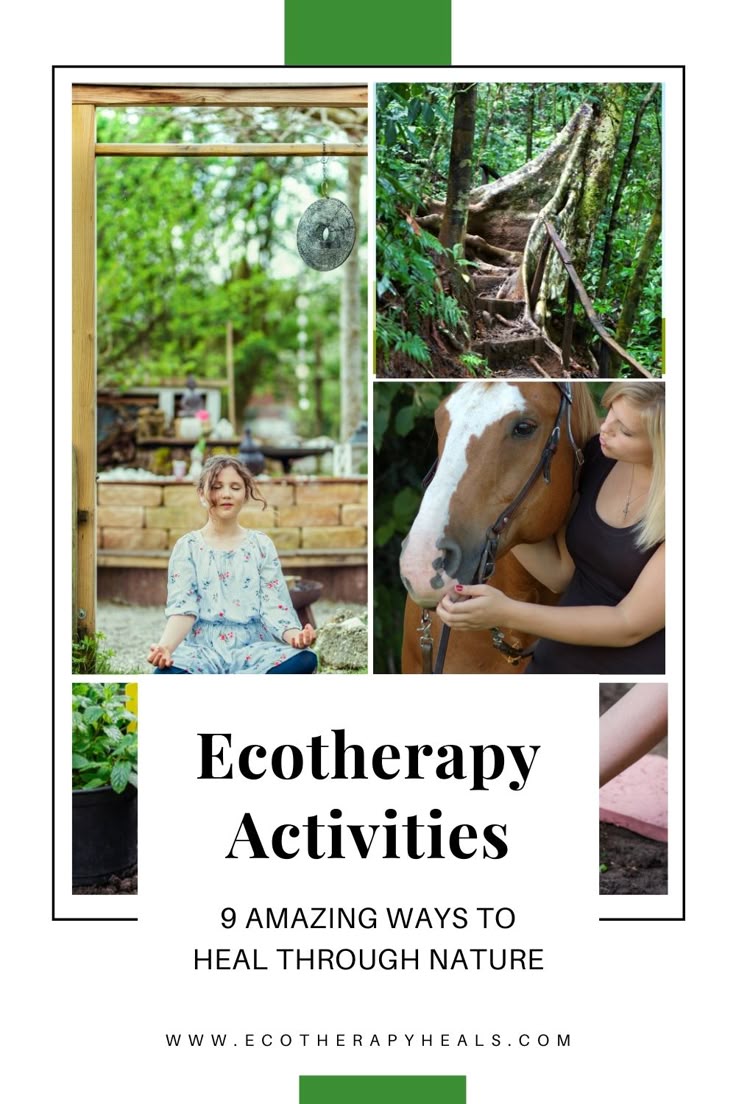
- Outdoor Workouts: Instead of hitting the gym, take your yoga mat to a park, go for a run on a trail, or do bodyweight exercises in your backyard. The fresh air and natural surroundings can make exercise more enjoyable and less of a chore. The natural terrain can also challenge your muscles in new ways, improving balance and coordination.
- "Blue Exercise" by Water: If you have access to a body of water, like a lake, river, or ocean, engage in "blue exercise." This could be walking or running along the waterfront, swimming, or simply sitting by the water and meditating. The calming presence of water has a profound effect on our well-being.
7. Seasonal Reflections and Nature's Rhythms
Connecting with the changing seasons can deepen your appreciation for nature's cycles and bring a sense of continuity and acceptance to your own life.
- Seasonal Observation: Make a point of noticing the subtle shifts in nature as the seasons change. Observe the first buds of spring, the rich colors of autumn leaves, the quiet stillness of winter snow, or the vibrant life of summer. This awareness can help you appreciate the natural rhythms of life and foster a sense of connection to something larger and more enduring.
- Seasonal Journaling: Reflect on how each season affects your mood and energy levels. Note down what you enjoy about each season and any traditions or activities that you associate with them. This practice can highlight the ebb and flow of your own internal states and how they align with the external environment.
8. Community Nature Activities
Sharing experiences in nature can amplify the healing benefits and foster a sense of belonging.
- Group Nature Walks or Hikes: Participate in organized nature walks or hikes. These provide opportunities to connect with like-minded individuals and explore new natural spaces. The shared experience can be both motivating and socially enriching.
- Community Gardening: Join a local community garden or start one with neighbors. Gardening is a fantastic way to get your hands dirty, cultivate food, and build relationships while spending time outdoors. It's a deeply grounding and rewarding activity.
Integrating Nature Therapy into Different Aspects of Your Life
The beauty of nature therapy is its adaptability. You can tailor these ideas to fit various schedules and environments.
For the Busy Professional
- Lunchtime Nature Breaks: Even a 15-minute walk in a nearby park during your lunch break can significantly reduce stress and improve focus for the afternoon.
- Commute Reimagined: If possible, incorporate a short walk or choose a route that passes through a green space on your commute. Listen to a nature-themed podcast or nature sounds during your journey.
- Desk Plants and Nature Views: Keep a small plant on your desk and arrange your workspace to overlook a natural view, if available.
For the Homebound or Those with Limited Mobility
- Window Gazing: Dedicate time each day to simply looking out the window and observing the natural world. Focus on the sky, trees, birds, or any greenery you can see.
- Nature Sounds and Visuals: Utilize recordings of nature sounds (rain, waves, forest ambiance) or nature documentaries to create a calming atmosphere indoors.
- Indoor Gardening: Create an indoor garden with herbs, succulents, or flowering plants. The act of nurturing life can be incredibly therapeutic.
- Sensory Boxes: Create a sensory box filled with natural items like smooth stones, pinecones, sand, or dried leaves that you can touch and explore.
For Families with Children
- Nature Scavenger Hunts: Create lists of natural items for children to find, encouraging exploration and observation.
- Nature Storytelling: Use natural elements as props for imaginative storytelling.
- Picnics and Outdoor Play: Make outdoor playtime a regular family activity. Picnics in the park or backyard adventures can create lasting memories and foster a love for nature.
FAQ: Your Questions About Everyday Nature Therapy Answered
Here are answers to some common questions about incorporating nature therapy into your life in 2026.
Q1: How much time do I really need to spend in nature to see benefits?
A: While studies suggest around 120 minutes per week for significant benefits, even 5-10 minutes of intentional nature exposure can make a difference in your mood and stress levels. The key is consistency and quality of engagement, not necessarily quantity. Short, regular doses are often more impactful than infrequent, long excursions.
Q2: I live in a densely populated city. Can I still practice nature therapy?
A: Absolutely! Urban nature therapy is highly effective. Seek out city parks, community gardens, tree-lined streets, or even a single potted plant. The principles of mindful observation, sensory engagement, and appreciating natural elements apply anywhere. Even looking at the sky or listening to birdsong can offer benefits.
Q3: Is nature therapy suitable for people with anxiety or depression?
A: Yes, nature therapy is widely recognised for its therapeutic benefits for mental health conditions. It provides a calming environment that reduces stress hormones, improves mood, and offers a sense of groundedness. It's often used as a complementary therapy alongside traditional treatments. Always consult with a healthcare professional for personalized advice.
Q4: What's the difference between nature therapy and just spending time outdoors?
A: While both are beneficial, nature therapy involves a conscious and intentional approach to engaging with the natural world. It's about actively observing, listening, and connecting with nature through your senses, with the specific aim of promoting well-being. Simply being outdoors without mindfulness can still be relaxing, but nature therapy maximizes the therapeutic potential.
Q5: Does nature therapy have to be expensive?
A: Not at all! Many of the most effective nature therapy activities are completely free. Walking in a park, observing nature, gardening, or simply sitting outdoors require no monetary investment. The primary investment is your time and intention.
Conclusion: Rewild Your Routine for a Healthier 2026
In 2026, the call of the wild is more than just a romantic