How To Enjoy The Healing Power Of Nature
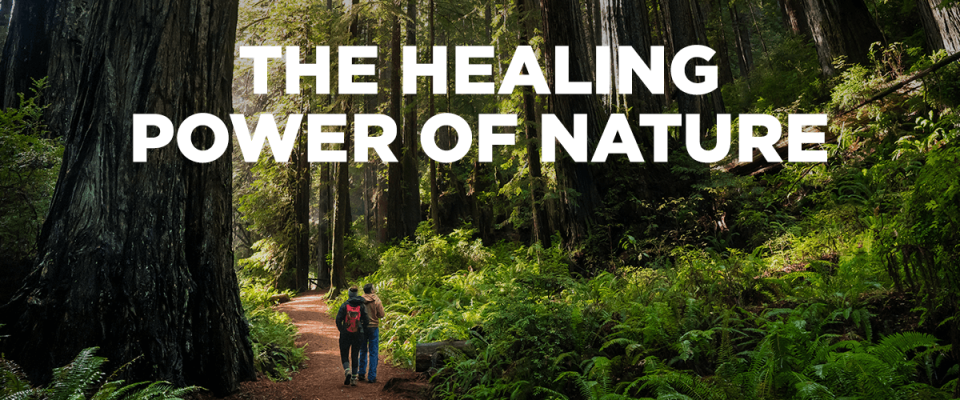
The year 2026 presents a compelling opportunity to recalibrate our lives and tap into a profound, readily available source of well-being: nature. In our increasingly digitized and fast-paced existence, a growing body of research and personal experience underscores the undeniable healing power of nature. Far beyond a pleasant pastime, connecting with the natural world offers tangible benefits for mental clarity, emotional balance, stress reduction, and overall physical health. This comprehensive guide explores how to actively and intentionally enjoy nature's restorative gifts, transforming your relationship with the environment and fostering lasting wellness.
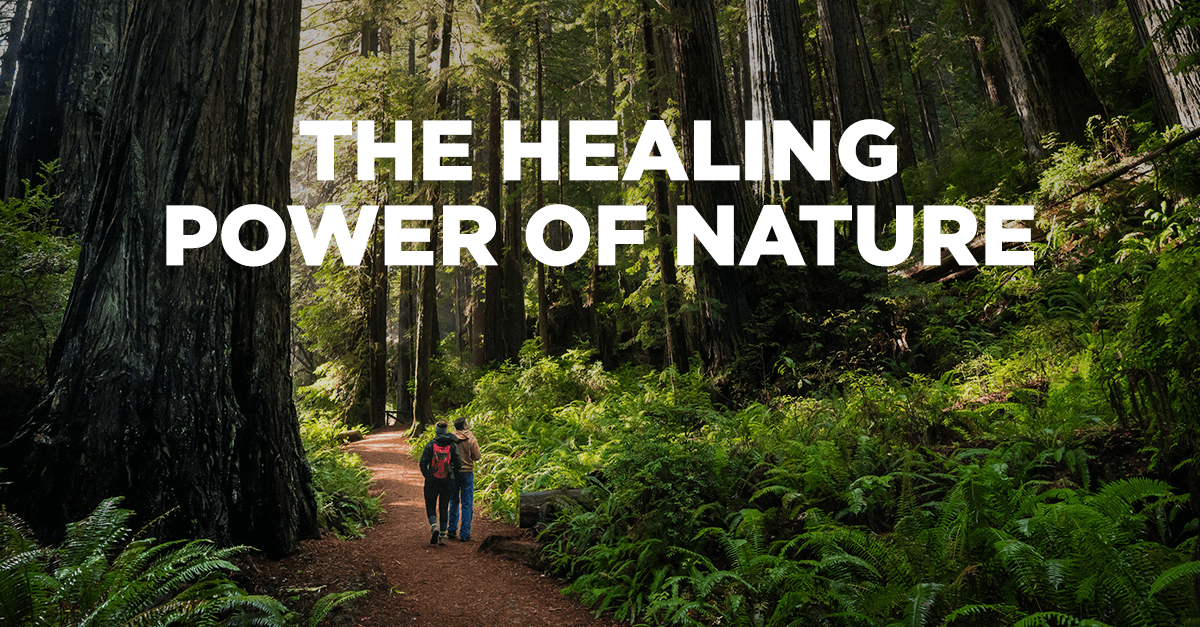
As studies consistently demonstrate, spending time outdoors can significantly improve mood, decrease symptoms of anxiety and depression, and promote relaxation. A global analysis of over 3,800 studies involving more than 10 million people confirms these profoundly positive impacts. In 2026, let's move beyond simply acknowledging nature's influence to actively integrating its healing power into our daily lives. This isn't about a grand escape, but about embracing simple, accessible practices that re-establish our innate connection to the Earth.
The Science Behind Nature's Soothing Embrace
Before diving into practical methods, it’s essential to understand why nature commands such potent healing capabilities. Our inherent link to the natural world is deeply ingrained, and modern life often severs this vital connection. Re-establishing it triggers a cascade of positive physiological and psychological responses.
Stress and Anxiety Reduction: Nature's Natural Antidote
One of the most immediate and well-documented benefits of nature is its ability to reduce stress and anxiety. The concept of "biophilia," proposed by biologist E.O. Wilson, suggests an intrinsic human need to connect with nature. Spending time in natural environments can lower cortisol levels (the stress hormone), decrease heart rate, and reduce blood pressure. These physiological shifts create a state of calm, allowing the mind to decompress from daily pressures.
Mood Enhancement and Cognitive Benefits
Nature doesn't just calm us; it also lifts our spirits and sharpens our minds. Research indicates that exposure to natural settings can improve mood, boost feelings of happiness, and even enhance cognitive functions like attention and memory. This is attributed to the reduction of mental sleep cycles, crucial for overall health and well-being.
Immersive Techniques: Experiencing Nature's Full Spectrum of Healing
Moving beyond passive observation, several active and immersive techniques allow us to fully engage with and benefit from nature's healing power. These methods are designed to deepen our connection and maximize the restorative effects in 2026 and beyond.
1. Forest Bathing (Shinrin-Yoku): A Mindful Immersion
Forest bathing, or Shinrin-Yoku, is a Japanese practice that encourages individuals to immerse themselves in the atmosphere of the forest in a mindful and sensory- intricate patterns of leaves, and even notice the fresh, clean taste of the air.
- Slow Down and Be Present: Leave electronic devices behind or set them to silent. Move slowly, allowing yourself ample time to observe and connect with your surroundings without rushing.
- Duration Matters: Aim to spend at least two hours immersed in the forest environment. This prolonged exposure allows for deeper relaxation and stress reduction. Studies have shown that even short periods can yield benefits, but longer durations unlock profound effects.
- Finding Your Forest: You don't need to travel to a remote wilderness. A local park with mature trees or a quiet wooded area can be equally effective. The key is to create a distraction-free experience.
2. Nature Journaling: Capturing Your Connection
Nature journaling is a practice that combines creativity, observation, and reflection, fostering mindfulness and a deeper understanding of the natural world. It’s a personal way to document your experiences and the insights gained from them.
- Document Your Observations: Bring a notebook or sketchpad on your outdoor excursions. Write about what you see, hear, smell, and feel. Sketch plants, animals, landscapes, or even abstract patterns that capture your attention.
- Reflect on Your Feelings: Note how your experiences in nature affect your mood, thoughts, and emotions. Journaling helps you to recognize the patterns of nature's influence on your well-being.
- Track Natural Changes: Observe and record seasonal shifts, the life cycles of plants, or the behavior of local wildlife. This fosters a profound appreciation for the dynamic processes of the natural world.
3. Guided Nature Meditation: Amplifying Serenity
Meditating in natural settings can significantly amplify its relaxing effects. Guided nature meditation provides structure, whether through a facilitator or an audio recording, to help you connect more deeply with your surroundings.
- Choose a Serene Location: Find a peaceful outdoor space like a park, a quiet beach, or even your own garden.
- Focus on Natural Sounds: Pay attention to the sounds of flowing water, wind through the trees, or birdsong. Allow these natural melodies to guide your breathing and your awareness.
- Embrace the Elements: Feel the warmth of the sun on your skin, the coolness of a gentle breeze, or the texture of the ground beneath you. This sensory engagement grounds you in the present moment.
4. Eco-Therapy and Nature Therapy: Harnessing Professional Support
Eco-therapy and nature therapy are broader terms encompassing various therapeutic approaches that utilize nature to promote mental and emotional well-being. These can range from individual sessions with a therapist to group activities like gardening or wilderness expeditions.
- Therapeutic Horticulture: Engaging in gardening, planting, and cultivating plants can be deeply therapeutic, offering a sense of purpose and connection to life cycles. Studies show gardening can alleviate symptoms of depression and anxiety.
- Wilderness Therapy: This involves structured programs in outdoor settings, often focusing on developing resilience, problem-solving skills, and self-confidence through challenges and supported experiences.
- Nature-Based Counseling: Therapists may incorporate elements of nature into their sessions, conducting therapy outdoors or using natural metaphors and imagery to facilitate healing.
5. Grounding or Earthing: Direct Connection to Earth
Grounding or earthing is a simple yet powerful practice involving direct skin contact with the Earth's surface. This seemingly basic act can have surprising health benefits.
- Walk Barefoot: Spend time walking barefoot on grass, sand, or soil. This allows for the transfer of free electrons from the Earth into your body, which are believed to have antioxidant and anti-inflammatory effects.
- Scientific Support: Studies suggest that grounding can improve sleep quality, reduce inflammation, enhance blood flow, and promote a general sense of well-being.
- Daily Integration: Even a few minutes of barefoot contact daily can make a difference. This can be as simple as standing barefoot on your lawn or beach.
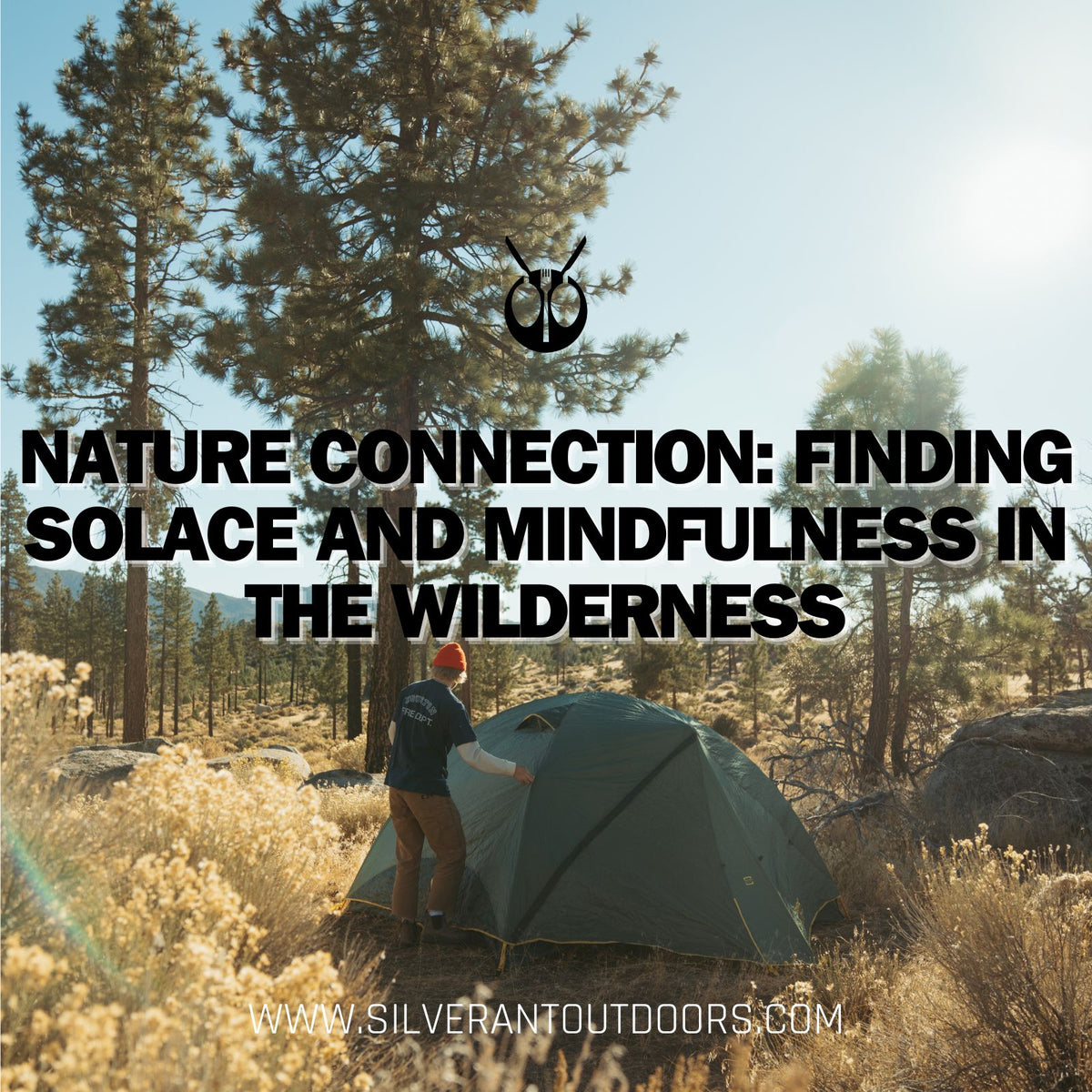
6. Soundscaping: Listening to Nature's Symphony
Soundscaping involves intentionally listening to and appreciating the sonic environment of nature. The natural soundscape is often rich, complex, and deeply soothing.
- Active Listening: This is more than just hearing; it's about attentively focusing on the various sounds – insect chirps, bird calls, water flowing, wind rustling leaves.
- Benefits of Natural Sounds: Research suggests that exposure to natural sounds can reduce stress hormones, lower blood pressure, and improve cognitive function by redirecting attention away from internal rumination.
- Creating Your Own Soundscape: Even in urban environments, you can find pockets of natural sounds. Visit local parks, listen from your balcony, or use recordings of natural sounds to create a calming atmosphere.
7. Plant-Based Cooking and Foraging: Nourishment from the Earth
Connecting with nature can also be a culinary adventure. Engaging in plant-based cooking and, where appropriate and safe, foraging allows for a direct appreciation of the food and resources nature provides.
- Seasonal Eating: Embrace the practice of eating seasonally, using fresh, locally sourced ingredients. This not only supports your health but also fosters a deeper connection to the land and its cycles.
- Foraging (with Caution): If you have the knowledge and guidance of an expert, foraging for wild edibles can be a rewarding experience, connecting you directly to the source of your sustenance. Always prioritize safety and sustainability.
- Workshops and Classes: Many communities offer workshops on plant-based cooking, herbalism, and responsible foraging. These can be excellent ways to learn and connect with like-minded individuals.
8. Nature Photography: Capturing Fleeting Beauty
Nature photography offers a unique way to observe, appreciate, and creatively engage with the natural world. It encourages a slower pace and a deeper look at details often missed.
- Mindful Observation: The act of seeking out subjects for your photographs forces you to notice the intricate details of flowers, the textures of bark, the play of light and shadow.
- Creative Expression: Photography allows you to capture and share the beauty you discover, inspiring others and fostering a broader appreciation for nature.
- Documenting Your Journey: Your photo collection becomes a visual diary of your connection with nature, a tangible reminder of the peace and inspiration you've found.
9. Stargazing Retreats: Cosmic Connection
Looking up at the night sky offers a profound sense of perspective and wonder. Stargazing retreats, often held in areas with minimal light pollution, provide an unparalleled opportunity to connect with the vastness of the cosmos.
- Minimize Light Pollution: Seek out locations far from urban lights to experience the full spectacle of the night sky.
- Learn the Constellations: Familiarizing yourself with constellations, planets, and celestial events can deepen your appreciation for the universe.
- Awe and Perspective: The sheer scale of the universe can evoke feelings of awe, humility, and a sense of interconnectedness, helping to put personal concerns into perspective.
10. Adventure Therapy: Embracing Challenge and Growth
Adventure therapy utilizes challenging outdoor activities to foster personal growth, resilience, and teamwork. These activities, from kayaking to rock climbing, are conducted within a therapeutic framework.
- Skill Development: Participants learn new skills, overcome fears, and build confidence through engaging in demanding physical and mental challenges.
- Teamwork and Communication: Many adventure therapy activities require collaboration, enhancing communication and interpersonal skills.
- Metaphorical Learning: The challenges faced in nature often serve as powerful metaphors for life's obstacles, providing valuable insights for personal development.
Integrating Nature into Your 2026 Wellness Routine
Making nature a consistent part of your life in 2026 requires intention. Here are actionable steps to weave these practices into your routine:
Daily Rituals: Small Doses, Big Impact
- Morning Sun Salutation: Start your day by stepping outside for a few minutes of fresh air and sunlight.
- Lunch Break Outdoors: If possible, take your lunch break in a park or a green space.
- Evening Nature Walk: A gentle stroll in the evening can help you unwind and transition into rest.
Weekend Escapes: Deeper Immersion
- Plan Regular Hikes: Schedule at least one hike per month, exploring new trails.
- Visit Local Parks and Gardens: Make a point of visiting different natural spaces within your reach.
- Weekend Cabin Getaway: If feasible, plan a weekend trip to a more remote natural setting.
Home and Workspace: Bringing Nature In
- Indoor Plants: Incorporate houseplants into your home and office to improve air quality and bring a touch of nature indoors.
- Nature-Inspired Decor: Use natural materials and imagery in your décor.
- Opening Windows: Maximize fresh air circulation by opening windows whenever possible.
Frequently Asked Questions About Nature's Healing Power
Q1: How much time in nature is recommended to experience its healing benefits?
A1: While even short bursts of nature exposure can be beneficial, studies suggest that spending at least two hours per week in nature can significantly improve your emotional well-being and reduce stress. Consistency is key, so aim for regular, even brief, periods of immersion.
Q2: I live in a city with limited green spaces. How can I still enjoy the healing power of nature?
A2: You can still connect with nature in urban environments. Seek out city parks, botanical gardens, or even tree-lined streets. Taking a mindful walk, focusing on the sounds of birds or the rustling of leaves, or bringing nature indoors with houseplants can all contribute to your well-being. Even appreciating a sunset or the sky through your window can be a form of nature connection.
Q3: Is forest bathing suitable for all ages and fitness levels?
A3: Yes, forest bathing is highly adaptable. The core principle is mindful immersion, which can be enjoyed at any pace. You can adapt the intensity by choosing easier trails or simply sitting and meditating beneath trees. It's about sensory engagement and being present, not strenuous exercise.
Q4: Can nature's healing power help with serious mental health conditions?
A4: Yes, nature-based interventions are increasingly recognized as complementary therapies for mental health conditions like depression, anxiety, and PTSD. While not a replacement for professional medical treatment, nature therapy, eco-therapy, and regular nature immersion can significantly support recovery and management. Always consult with a healthcare professional for diagnosis and treatment plans.
Q5: What are the benefits of grounding or earthing for someone who spends most of their time indoors?
A5: For individuals who spend extensive time indoors, grounding becomes even more crucial. Direct contact with the Earth can help neutralize free radicals, is not a luxury; it's a fundamental component of holistic well-being. The scientific evidence is robust, and the personal experiences are profound. By actively integrating practices like forest bathing, nature journaling, mindful walks, and simply spending time outdoors, we can unlock a deeply restorative sanctuary.
Nature offers an accessible, cost-effective, and profoundly effective pathway to reduced stress, improved mood, enhanced cognitive function, and overall health. As we navigate the complexities of modern life, let us remember our inherent connection to the Earth. Make a conscious choice to step outside, breathe deeply, and allow nature to work its gentle, powerful magic. Your mind, body, and spirit will thank you for it.
References
- Psychology Today — The Healing Power of Nature
- Reality Pathing — 10 Unique Ways to Experience Nature’s Healing Power, March 10, 2025
- Health Benefits — 8 Ways to Harness the Healing Power of the Natural World, January 27, 2024
- Spirituality Shepherd — 10 Ways to Use Nature as a Source of Healing and Inspiration, March 6, 2026
- Continental Hospitals — Escape to Nature: Reclaim Your Wellbeing
- Re Connecting with Nature — The Healing Power of Nature: How the Beauty of the Natural World Transforms Our Health and Wellbeing
- Elohee.org — 10 Ways Nature Supports Emotional Healing
- Yoga Journal — 5 Ways to Connect with the Healing Power of Nature
- The Synergy Retreat Show — Synergy 2026 Theme Unveiled: ‘The Healing Power of Nature’
- Nature Publishing Group — Global analysis confirms nature’s benefits to mental and physical health