Smart Lifestyle Hacks To Simplify Your Week

In the fast-paced reality of 2026, the feeling of being overwhelmed has become a modern epidemic. Whether you are navigating a hybrid work schedule, managing a household, or trying to find time for personal growth, the pressure to "do it all" often leads to burnout. The solution isn't to work harder; it is to work smarter. By integrating smart lifestyle hacks to simplify your week, you can reclaim your time, reduce mental fatigue, and focus on what truly brings you joy and value.
As we move deeper into 2026, the trend toward intentional living and minimalism has surged. People are no longer looking for complex systems; they are seeking small, actionable changes that provide immediate relief. From automating repetitive tasks to decluttering your physical and digital environments, these strategies are designed to help you streamline your routine and boost productivity without the typical stress.
Mastering Your Workday Efficiency
The modern office—whether physical or virtual—is often a minefield of distractions. To conquer your to-do list, you must prioritize focus and efficiency. The goal is not to fill every second of your day with tasks, but to ensure the time you spend working is high-impact.
The Power of the Pomodoro Technique
One of the most effective ways to maintain concentration throughout a long work week is the Pomodoro Technique. By breaking your workday into 25-minute intervals of intense focus followed by a 5-minute break, you allow your brain to recharge. This prevents the "afternoon slump" and keeps your productivity levels consistent. For instance, dedicate one session to outlining a report, and the next to deep research.
Automate and Prioritize
Stop wasting mental energy on repetitive tasks. In 2026, automation tools are more accessible than ever. Set up email filters to sort incoming messages automatically and use scheduling software to handle routine meetings. Furthermore, start every morning by identifying your three most crucial tasks. By writing these down, you create a clear roadmap for your day, preventing you from getting lost in a sea of low-priority emails and notifications.
Creating a Calm and Intentional Home Environment
Your home should be a sanctuary, not a source of additional stress. Minimalist lifestyle hacks are trending this year because they directly address the psychological toll of physical clutter. When your environment is organized, your mind follows suit.
The One-In, One-Out Rule
To prevent clutter from accumulating, adopt the One-In, One-Out Rule. Whenever you bring a new item into your home—be it a new piece of clothing or a gadget—remove something similar. This simple habit keeps your possessions in check and forces you to be more intentional about your consumption.
Declutter in Micro-Sessions
Do not wait for a massive, exhausting weekend decluttering session. Instead, commit to five minutes of decluttering per day. Set a timer and focus on a single drawer, shelf, or surface. These small, daily efforts work better than marathon sessions and prevent the "rebound" of clutter that often happens after a big clean-out.
Keep Counters Clear
Clear kitchen and bathroom counters are essential for a sense of calm. When flat surfaces are empty, they do not become "clutter magnets" for mail, keys, or random objects. By keeping these areas clear, you make your home easier to clean and visually more peaceful, which is a cornerstone of the 2026 wellness movement.
Streamlining Your Daily Routine for Maximum Ease
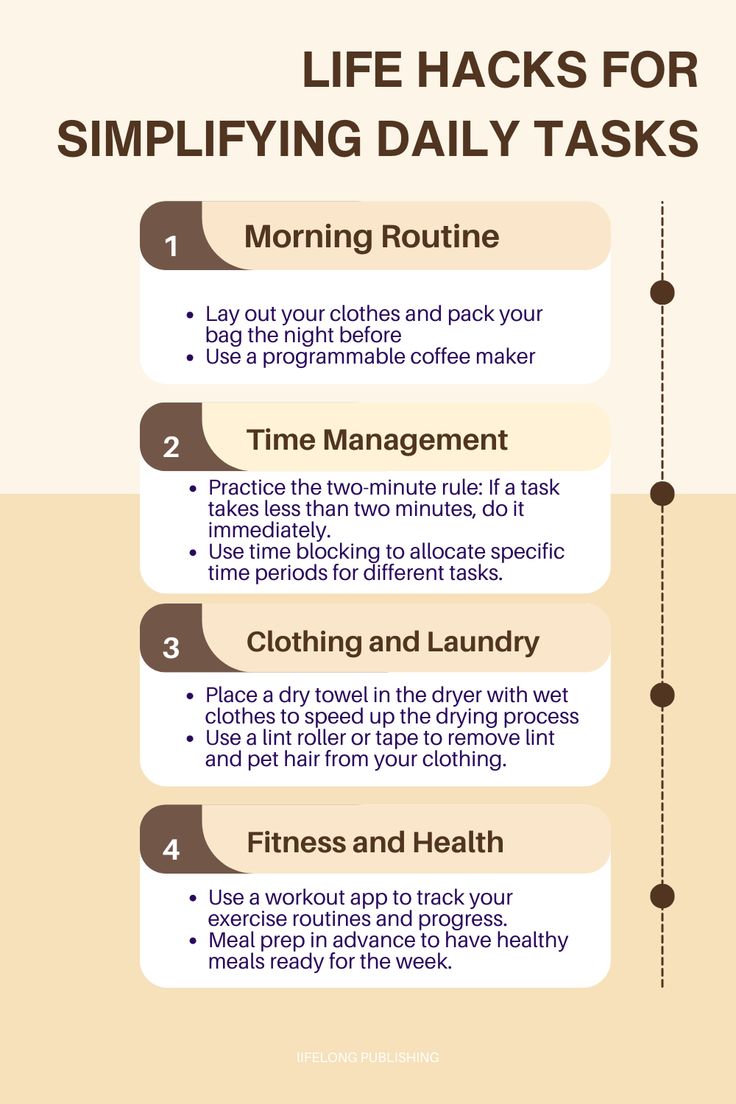
If you want to feel more organized, you must optimize the way you transition through your day. Small adjustments in how you plan and prepare can lead to significant improvements in your overall quality of life.
The Night-Before Strategy
Planning your day the night before is perhaps the most powerful habit you can adopt. By taking just 10 minutes to outline your tasks and appointments, you wake up with clarity rather than confusion. This reduces early-morning decision fatigue and allows you to start your day with intention.
Designate Spots for Essentials
Stop wasting time searching for your keys, wallet, or phone. Keep essentials in designated spots consistently. When everything has a "home," you eliminate the daily frustration of misplacing items. This small adjustment creates a seamless flow in your morning routine, allowing you to move through your day with less stress and higher efficiency.
Leverage Digital Reminders
In 2026, we have the technology to offload our mental burden. Use digital reminders, alarms, and calendar alerts for routine chores, appointments, and errands. This approach frees up your mental space for creative thinking and deep work, knowing that your digital assistant has the logistics covered.
The Minimalist Mindset: Shopping and Commitments
Simplifying your life is as much about your mindset as it is about your physical space. Being intentional about what you buy and what you commit to is the hallmark of a balanced life in 2026.
The 24-Hour Rule
For non-essential items, implement a 24-hour waiting period before making a purchase. Many impulse buys lose their appeal once the initial dopamine hit wears off. This simple rule saves money and keeps your home free from unnecessary items that don't add genuine value to your life.
Evaluate Your Commitments
Look at your current schedule—work, kids' activities, hobbies, and social obligations. Which of these truly provide value? If a commitment no longer aligns with your goals or brings you joy, it is time to say no. Simplification is the act of eliminating the non-essential so you can spend your time with the people and projects that matter most.
Mastering Nutritional Simplicity
With the rising cost of living and the increasing interest in mindful eating, meal preparation has evolved into one of the most critical areas to simplify. In 2026, the trend of "batch cooking" has been replaced by more flexible modular meal prep, which allows for variety without the monotony of eating the same leftovers for five days straight.
The Modular Meal Strategy
Instead of preparing full recipes, focus on prepping base ingredients. Roast a large tray of seasonal vegetables, cook a batch of versatile grains like quinoa or farro, and prepare two types of proteins. By keeping these components separate in your fridge, you can mix and match them throughout the week to create grain bowls, tacos, or salads in under five minutes. This approach reduces food waste and ensures you always have a healthy option ready (Source 1).
Streamlining Kitchen Operations
The kitchen is often the site of the most friction in a household. To simplify:
- Use the "Flip-and-Set" Method: As highlighted by recent viral kitchen hacks, utilize your spatula to flip food by turning the pan itself rather than fighting with the item in mid-air. This reduces mess and prevents burnt fingers (Source 5).
- Standardize Your Grocery List: Use a recurring digital grocery list app that categorizes items by aisle. This prevents you from wandering aimlessly through the store and reduces the mental load of remembering essentials like eggs or milk (Source 2).
- The "One-Pot" Preference: Prioritize recipes that require only one vessel. Less cleanup means more time to relax in the evening, aligning with the 2026 push for work-life balance (Source 4).
Digital Minimalism and Information Hygiene
The digital landscape of 2026 is louder than ever. With the constant ping of notifications and the endless scroll of social media, digital clutter is now considered just as detrimental to productivity as physical mess. Simplifying your week requires a strict boundary between your attention and the digital world.
Audit Your Digital Footprint
Spend 15 minutes this weekend performing a digital purge. Unsubscribe from newsletters you never read, delete redundant screenshots, and organize your desktop icons into folders. A clean digital workspace reduces the "background noise" that contributes to decision fatigue (Source 3).
Implement "Notification Zoning"
Rather than allowing your phone to dictate your schedule, implement notification zones. During your deep work blocks, set your device to "Focus Mode," which only allows calls from emergency contacts. By batching your email and message responses, you shift from a reactive state to a proactive one. This is a core strategy for maintaining high cognitive performance throughout the week (Source 1).
Optimizing Personal Finance for Peace of Mind
Financial complexity is a significant driver of week-to-week stress. In the current economic climate, automation of finances is no longer a luxury; it is a necessity for maintaining a clear head.
Automate the Essentials
Set up your bills, savings contributions, and debt repayments to occur automatically on the day after your paycheck arrives. By ensuring your financial obligations are met before you even have a chance to spend the money, you remove the anxiety associated with manual bill paying and late fees (Source 4).
The "Subscription Audit"
Every three months, review your bank statements for recurring subscriptions. Many of us pay for streaming services, software, or memberships we no longer use. Canceling these "ghost expenses" doesn't just save money; it simplifies your financial oversight and reduces the number of small, nagging decisions you have to make about your budget (Source 2).
Cultivating Sustainable Habits Through Micro-Changes
The most successful people in 2026 aren't the ones who overhaul their lives overnight; they are the ones who implement micro-habits. Small, incremental changes are more sustainable because they don't require a massive expenditure of willpower.
The 2-Minute Rule
If a task will take less than two minutes to complete—such as hanging up your coat, responding to a quick text, or rinsing a dish—do it immediately. This prevents a pile-up of small chores that eventually become overwhelming. The 2-Minute Rule is a foundational pillar of productivity that keeps your environment and your to-do list fluid (Source 3).
Batch Your Errands
In an era of rising fuel costs and time scarcity, errand batching is a smart lifestyle hack that pays off. Instead of running out for one item on Tuesday and another on Thursday, consolidate all your out-of-house tasks into a single window on the weekend or a dedicated weekday evening. This minimizes transition time and keeps your energy focused on the task at hand rather than the logistics of travel (Source 1).
The Psychology of Saying No
Simplification is often hindered by our desire to please others or our fear of missing out. However, the most effective way to simplify your week is to become a more intentional gatekeeper of your time.
The "Hell Yes or No" Filter
When considering a new commitment, ask yourself if it is a "Hell Yes." If you feel lukewarm or obligated, the answer should be a polite "No." Overcommitting is the fastest path to burnout. By protecting your time, you ensure that the activities you do choose to participate in get your full energy and attention (Source 3).
Respecting Personal Downtime
Treat your personal downtime with the same level of respect as a professional meeting. If you have scheduled time for exercise, reading, or rest, do not let other, less important requests infringe upon that window. Protecting your recovery time is essential for long-term productivity and happiness (Source 2).
Integrating Technology for Household Management
The "Smart Home" of 2026 is no longer about novelty; it is about utility. Utilizing technology to manage the physical home can significantly reduce the amount of labor required to keep a household running smoothly.
Smart Inventory Tracking
Use smart sensors or simple inventory apps to track household staples like laundry detergent, cleaning supplies, or pantry items. When you receive an automated notification that you are running low, you can add the item to your next scheduled delivery or shopping trip. This eliminates the "panic run" to the store when you realize you are out of a necessity (Source 5).
Centralized Family Calendars
If you live with others, a centralized digital calendar is non-negotiable. By syncing every member’s schedule, you avoid the conflict of overlapping commitments and the stress of forgotten appointments. A transparent view of the week allows everyone to coordinate and support each other, further simplifying the household dynamic (Source 1).
Enhancing Sleep Hygiene for Daily Clarity
Your ability to simplify your week is fundamentally limited by your cognitive capacity. If you are sleep-deprived, even the most efficient systems will feel burdensome. In 2026, sleep optimization is being recognized as the ultimate life hack for professional and personal success.
The "Wind-Down" Ritual
Create a 30-minute buffer before bed where no screens are allowed. Use this time for light stretching, reading, or preparing your clothes for the next morning. This ritual signals to your brain that it is time to transition out of "work mode," leading to deeper, more restorative sleep. Improved sleep quality directly correlates with your ability to make better decisions the following day (Source 4).
Temperature and Environment
Maintain a cool, dark, and quiet bedroom environment. Many modern smart home devices can now regulate your room temperature or lighting to mimic natural circadian rhythms. A well-rested brain is naturally better at filtering out the non-essential, making it easier to maintain a simple, organized routine throughout the week (Source 5).
Building a "Knowledge Base" for Routine Tasks
We often waste time re-learning how to do things. Whether it is a recurring work report, a complex home maintenance task, or a specific travel packing list, we can simplify our lives by creating reusable templates.
Create Standard Operating Procedures (SOPs)
For tasks you perform regularly, write down the steps once. If you find yourself doing a task the same way every month, turn it into a checklist. This removes the need to "think" about the process. When you have a checklist or template, you can execute the task on autopilot, freeing your mental bandwidth for more creative or complex problem-solving (Source 1).
Digital Filing Systems
Stop the chaos of searching for documents. Create a standardized folder structure on your computer and cloud storage. Use consistent naming conventions, such as "YYYY-MM-DD-Description." When you can locate any file in under five seconds, you reduce the stress and frustration that often plague digital work environments (Source 3).
The Role of Movement in Maintaining Focus
Physical activity is not just for health; it is a vital tool for regulating your energy levels and maintaining the focus required to manage a simplified life.
Incorporate "Movement Snacking"
You do not need an hour in the gym to reap the benefits of exercise. Movement snacking—engaging in short, 5-to-10-minute bursts of activity throughout the day—can boost your mood and focus. Whether it is a quick walk around the block or a set of bodyweight exercises during a Pomodoro break, these movements help reset your nervous system and prevent the stagnation that often accompanies sedentary work (Source 4).
Walk-and-Talk Meetings
If a meeting does not require a computer, suggest a walking meeting. Combining physical activity with collaboration is a highly efficient way to knock out two tasks at once. It encourages more creative thinking and keeps energy high, preventing the typical mid-afternoon energy crash (Source 2).
Mastering the Art of Delegation
Simplification does not mean you must do everything yourself. If your budget allows, outsourcing is the ultimate hack for reclaiming time.
Identify High-Effort, Low-Reward Tasks
Look at your weekly routine and identify tasks that you dislike and that do not require your specific skill set. This might be cleaning, grocery shopping, or basic administrative work. By outsourcing these tasks, you purchase the one resource you cannot create more of: time. Even delegating one or two items can provide a massive psychological boost (Source 3).
Leverage Technology as a Delegate
If professional outsourcing isn't an option, use technology to delegate. Use AI-powered scheduling assistants to manage your calendar or voice-to-text software to draft emails and documents. These tools act as a virtual assistant, allowing you to focus on high-level decision-making while the "busy work" is handled by your digital tools (Source 5).
Evaluating Your Progress with Weekly Reviews
To ensure your systems are actually working, you need a feedback loop. A weekly review is a 20-minute session on Sunday evening where you look back at the past week and look forward to the next.
The "Keep, Kill, Modify" Framework
During your review, evaluate your current routines using this simple framework:
- Keep: What worked well and should be continued?
- Kill: What didn't work and was a waste of time?
- Modify: What needs a slight tweak to be more effective?
This iterative process ensures that your lifestyle is constantly evolving to become more streamlined and effective, rather than remaining static and potentially inefficient (Source 1).
Aligning Actions with Values
Finally, use your weekly review to ensure your schedule reflects your priorities. If your goal is to spend more time with family, look at your calendar and ensure that time is blocked off. If your goal is to improve your health, check that your meal prep and exercise sessions are accounted for. This alignment is the ultimate goal of intentional living—ensuring that your daily actions are a reflection of your long-term values (Source 3).
Leveraging Environmental Cues for Habit Stacking
In the pursuit of a simplified week, relying on willpower alone is a losing strategy. The most successful individuals of 2026 are those who have mastered habit stacking, a technique that anchors new, beneficial routines to existing ones. By utilizing your environment as a trigger, you remove the "decision fatigue" that often prevents us from starting a task.
The "Anchor Point" Method
Identify a habit that is already ingrained in your life, such as brewing your morning coffee or brushing your teeth. Then, attach a new, smaller habit to that specific anchor point. For example, while your coffee brews, you can commit to clearing the kitchen counter or reviewing your daily top-three goals. This creates a chain reaction of productivity that feels effortless because it is tied to an existing neural pathway (Source 4).
Visual Cues and Environmental Design
Your physical environment should be designed to encourage the behaviors you want to see more of. If you want to read more, place a book on your pillow. If you want to drink more water, keep a full bottle on your desk. By removing the friction between you and your desired action, you make it significantly easier to maintain a simplified and healthy routine without having to "force" yourself through sheer grit (Source 2).
- Prep the night before: If you plan to exercise in the morning, lay your workout clothes out the night before. This eliminates the morning choice of "should I work out?" and turns it into a pre-decided action.
- Use visual prompts: Use sticky notes or digital widget displays on your phone to remind you of your primary goal for the day. These serve as constant, gentle nudges toward your priorities (Source 1).
Navigating Social Commitments and Boundaries
A major source of weekly chaos in 2026 is the "social sprawl" that comes from over-committing to events, meetings, and obligations that don't serve your core interests. Simplifying your life necessitates a shift in how you view your social calendar.
The "Energy Cost" Assessment
Before agreeing to a social invitation or a community event, perform a quick "energy cost" assessment. Ask yourself: "Does this activity energize me, or does it drain me?" While not every obligation can be avoided, you can categorize your calendar into "High Energy" and "Maintenance" events. By ensuring that your week contains a healthy ratio of both, you prevent the burnout that comes from a calendar filled entirely with draining tasks (Source 3).
Saying No with Grace
The ability to decline an invitation is a superpower in a hyper-connected world. You do not need to provide a complex excuse; often, a simple, "Thank you so much for thinking of me, but I’m unable to make it this time," is sufficient. By normalizing the act of saying no, you create more space for the people and activities that truly matter to you, effectively curating your life to prioritize quality over quantity (Source 2).
The Art of "Single-Tasking" in a Multitasking World
Despite the myth that multitasking makes us more efficient, research consistently shows that jumping between tasks—often called "context switching"—actually decreases your cognitive performance and increases stress levels. To simplify your week, you must commit to the art of single-tasking.
The "Deep Work" Window
During your most productive hours, usually in the morning for most people, commit to one single task. During this time, close all other browser tabs, put your phone in another room, and focus solely on the output required. This level of focus allows you to finish tasks in half the time they would take if you were constantly interrupted by pings, emails, or Slack messages (Source 1).
Managing Interruptions
When you are in the middle of a task, keep a "distraction pad" nearby. If an unrelated thought or a new task pops into your mind, write it down on the pad and immediately return to your current work. This captures the information without breaking your flow, allowing you to address those items later during a designated "admin" time. This technique keeps your focus sharp and your mind clear of floating, unresolved tasks (Source 5).
Mastering Physical Energy Management
Simplifying your week isn't just about time; it’s about energy. If your physical health is neglected, every task feels twice as difficult. In 2026, the focus has shifted from "time management" to "energy management."
Hydration and Cognitive Performance
Dehydration is a silent productivity killer. Many people experience mid-day fatigue that is actually a symptom of mild dehydration. By keeping a large, reusable water bottle at your workstation, you ensure that your brain remains hydrated, which is essential for sustained focus and mental clarity throughout the week (Source 4).
Strategic Caffeine Timing
Instead of reaching for coffee the second you wake up, wait 60 to 90 minutes. This allows your body’s natural cortisol levels to stabilize, leading to more sustained energy and preventing the dreaded afternoon crash. By timing your caffeine intake strategically, you can manage your energy levels more effectively, allowing you to stay productive and calm throughout the entire work week (Source 5).
Simplifying Communication Habits
Digital communication is perhaps the most significant contributor to modern overwhelm. Emails, instant messages, and video calls can easily consume your entire day if you do not implement strict boundaries.
The "Office Hours" Concept
If you work in a team setting, communicate your "Office Hours" to your colleagues. For example, let them know that you are generally available for questions between 2:00 PM and 4:00 PM. Outside of those hours, you are focused on deep work. This sets clear expectations and prevents the constant, fragmented interruptions that make it impossible to get meaningful work done (Source 1).
Inbox Zero Principles
You don’t have to achieve literal "Inbox Zero" to benefit from the philosophy. Instead, treat your inbox as a temporary holding area. Use the "Four D's" for every email:
- Delete: If it’s junk or irrelevant, remove it immediately.
- Delegate: If someone else is better suited to handle it, forward it right away.
- Do: If it takes less than two minutes, do it now.
- Defer: If it requires more time, move it to a specific folder or add it to your task list for later.
This keeps your primary inbox clear and ensures that you are only looking at actionable items when you sit down to work (Source 2).
Organizing Your Physical Workspace for Mental Clarity
A cluttered desk is often a manifestation of a cluttered mind. In 2026, the "minimalist workspace" trend is not just an aesthetic choice; it is a functional requirement for high-level output.
The "Everything Has a Home" Rule
If an item doesn't have a dedicated storage spot, it will inevitably end up on your desk. Take the time to categorize your tools, documents, and supplies. If you don't use an item daily, it shouldn't be on your primary workspace. By clearing the visual noise, you reduce the amount of information your brain has to process at any given moment, which lowers stress levels significantly (Source 3).
Cable Management and Tech Decluttering
Visible cords and messy tech setups create a subconscious sense of disorder. Use cable ties, sleeves, or simple adhesive clips to keep wires tucked away. Additionally, ensure your digital interface is clean—use a high-contrast, simple wallpaper and hide unnecessary desktop icons. A clean, organized digital and physical environment creates a psychological "fresh start" every time you sit down to work (Source 5).
The Power of Rituals in Transitioning Between Roles
The shift from "work mode" to "home mode" is a major stress point for many people. Without a clear boundary, the pressures of the workday often spill over into your personal time, preventing you from truly relaxing.
The Commute Ritual
Whether you work from home or in an office, you need a "commute ritual" to signal the end of the day. If you work from home, this could mean closing your laptop, putting it in a drawer, and taking a short walk outside. If you commute, use that time to listen to a podcast or music that isn't work-related. This transition time is crucial for resetting your brain and allowing yourself to be present with your family or your hobbies in the evening (Source 4).
The Evening Shutdown Routine
Before you finish your day, take five minutes to "reset" your space. Clear your desk, write down your top three tasks for the following morning, and close all your digital tabs. By starting the next day with a clean slate, you eliminate the morning anxiety of "where do I even start?" and allow yourself to hit the ground running with confidence (Source 1).
Sustaining the "Simple Life" Through Iteration
Simplifying your week is not a one-time project; it is an ongoing practice. The needs of your life, your career, and your family will change, and your systems must be flexible enough to evolve with you.
Embracing the "Two Steps Forward, One Step Back" Philosophy
Don't be discouraged if you have a week where everything feels chaotic. This is part of the process. The goal isn't perfection; the goal is to have systems in place that allow you to recover quickly. When things get overwhelming, return to the basics: identify your top priorities, clear your workspace, and focus on the next small, actionable step (Source 3).
The Power of Periodic Audits
Once a month, perform a deeper audit of your life. Are there recurring tasks that are still causing you stress? Are there commitments that have become burdensome? By regularly evaluating your systems, you can identify areas for improvement and continue to refine your routine. This proactive approach ensures that your life remains aligned with your values, even as external pressures change.
- Audit your subscriptions: Check for apps or services you no longer use.
- Review your goals: Ensure that your current daily habits are actually moving you toward your long-term objectives.
- Check your social calendar: Are you spending time with people who truly add value to your life?
By continuously iterating on your routines, you create a life that is not just efficient, but deeply satisfying. Remember that the ultimate goal of these hacks is not to become a productivity machine, but to create a life where you have the freedom to spend your time on what is truly important. Whether it is spending time with loved ones, pursuing a creative project, or simply resting, these smart lifestyle hacks provide the framework you need to reclaim your time and find peace in a fast-paced world (Source 2).
Cultivating a "Low-Friction" Household
The most successful households in 2026 are those that operate with minimal friction. This involves setting up systems that make daily tasks, like laundry or cleaning, almost automatic.
The Batching of Household Chores
Instead of doing laundry throughout the week, designate specific days or times for these tasks. By batching chores, you minimize the "setup time" required for each activity. For example, by having all your laundry done on a Sunday, you eliminate the mental load of wondering if you have clean clothes for the upcoming week. This creates a predictable rhythm that allows you to focus on more important things during the work week (Source 1).
Streamlining Meal Prep with "Ingredients, Not Recipes"
Many people find meal prep daunting because they try to cook entire meals. As mentioned earlier, shifting to a "modular" approach—focusing on base ingredients—is much more sustainable. Keep your fridge stocked with versatile items like pre-washed greens, cooked grains, and protein options. This allows you to assemble a nutritious meal in minutes, removing the temptation to order takeout when you're tired after a long day (Source 5).
- Pre-cut vegetables: Spend 15 minutes on the weekend chopping vegetables so they are ready for quick stir-fries or salads.
- Use glass containers: Clear, stackable containers make it easy to see what you have, reducing food waste and making your fridge more organized.
- Keep a "Go-To" list: Maintain a list of five simple, 10-minute meals that you can make with the ingredients you always have on hand.
The Importance of "Unplugged" Time
In a world where we are constantly bombarded with information, the ability to disconnect is a vital life hack. Protecting your downtime is essential for maintaining your creativity and emotional health.
The "No-Phone" Zone
Designate specific areas in your home, such as the dining room or the bedroom, as "no-phone zones." This encourages you to be present during meals and helps you wind down before sleep. By physically separating yourself from your devices, you give your brain the space it needs to rest and recover from the constant stimulation of the digital world (Source 4).
Intentional Offline Hobbies
Engage in hobbies that do not involve a screen. Whether it's reading a physical book, gardening, painting, or playing an instrument, these activities provide a sense of accomplishment and relaxation that digital entertainment cannot match. By diversifying your interests, you build a more robust and resilient sense of self, which makes it easier to navigate the stresses of the modern work week (Source 3).
Leveraging Community and Social Support
Simplification doesn't have to be a solo journey. In 2026, we are seeing a trend toward "co-simplifying"—where friends, families, and even coworkers work together to streamline their lives.
Skill-Sharing and Delegation
If you have a friend who is great at organizing, and they have a friend who is great at meal prep, consider a skill-swap. You can help each other set up systems that work for your specific needs. Sharing the burden of life’s logistics with others can make the process much more enjoyable and sustainable (Source 2).
Accountability Partners
If you are struggling to maintain a new habit, find an accountability partner. Checking in with someone else, even briefly, can significantly increase your success rate. By sharing your goals and your progress, you turn a solitary, often frustrating process into a collaborative and supportive one. This social aspect of productivity is a key factor in long-term habit formation and life simplification (Source 1).
Finalizing Your Personal "System of Systems"
As you integrate these hacks into your life, remember that your "system of systems" is unique to you. What works for one person may not work for another. The key is to experiment, observe, and adjust.
The Weekly Review as a Diagnostic Tool
Use your weekly review not just to plan, but to diagnose. If you consistently find yourself running behind on Tuesday mornings, look at your Monday night routine. If you feel drained by Thursday, look at your Wednesday workload. By treating your week as a data set, you can identify the "bottlenecks" that are causing your stress and implement targeted solutions to fix them. This analytical approach to life management is the ultimate hack for long-term consistency and peace of mind (Source 3).
Celebrating Small Wins
Finally, don't forget to celebrate your progress. Simplifying your life is a significant achievement in an age of constant distraction. Every time you successfully implement a new habit, save time on a task, or protect your personal downtime, you are moving toward a more intentional and fulfilling way of living. Acknowledge these wins, and let them fuel your motivation to continue refining your life for the better (Source 5).
References
-
Jonathanmpham — Daily Life Hacks: 55 Tips for Every Area | Jonathan M. Pham, 2026
-
Plantoorganize — 24 Ways to Simplify Your Life and Create a More Organized, Stress-Free …, 2026
-
Lifehack — 77 Ideas to Simplify Your Life and Feel Better Today – Lifehack, 2026
-
Makingsenseofcents — 15 Easy Ways To Simplify and Improve Your Daily Routine, 2026
-
Swipit — 67+ Genius Life Hacks You’ll Wish You Knew Sooner – Swipit, 2026
-
Thesquaremagazine — Quick And Easy Lifestyle Hacks That Can Make Your Life Easy!, 2026
-
Anoffgridlife — 34 Clever Hacks to Embrace Simple Living and Get Back to Basics, 2026
-
Shannontorrens — 21 Minimalist Lifestyle Hacks – Shannon Torrens, 2026