How To Reduce Stress And Stay Productive Every Day
In the fast-paced landscape of 2026, the intersection of workplace productivity and mental well-being has become the defining challenge for professionals worldwide. As we navigate a year defined by rapid technological shifts and increasing demands, the age-old struggle against burnout has evolved. Today, being productive isn't about working longer hours; it is about cultivating a calmer operating system for your life that prioritizes recovery and focus.
Stress is no longer just an occasional hurdle; for many, it has become a persistent obstacle to peak performance. When we are stressed, our bodies enter a "fight-or-flight" mode, triggering a cascade of hormones that increase heart rate, tighten muscles, and cloud our rational thinking. Research shows that if we don't manage this state, we risk chronic inflammation and long-term health issues. The goal for 2026 is not to eliminate stress entirely, but to build resilience and expand our "Window of Tolerance."
Understanding the Neuroscience of Stress and Productivity
To master your daily output, you must first understand how your nervous system functions. Dr. Dan Siegel’s concept of the "Window of Tolerance" is essential here. When you are within this window, you feel grounded and emotionally regulated. When you are pushed above it, you experience hyperarousal—anxiety, anger, and overwhelm. When you fall below it, you face hypoarousal, characterized by depression or a "frozen" state.
By practicing intentional habits, you can physically expand this window over time. This allows you to handle life's inevitable challenges with greater strength and ease. Productivity is the natural byproduct of this balance; when your nervous system is regulated, your ability to focus, solve problems, and communicate effectively reaches its highest potential.
The Morning Ritual: Why Early Risers Have the Edge
If you look at the habits of the world’s most successful figures in 2026, you will find a recurring theme: the morning routine. Whether it is Tim Cook’s 4 AM start or Richard Branson’s 5:45 AM wake-up call, these leaders understand that once the workday begins, their time is no longer their own.
Protecting Your Morning Focus
By getting up an hour earlier than your obligations begin, you reclaim control. This is your "golden hour"—a time to complete tasks without demands from emails, meetings, or external crises. However, there is a caveat: never sacrifice sleep for productivity. Sticking to a proper sleep schedule is a non-negotiable pillar of stress management. If you cut your sleep short, you will only increase your cortisol levels, effectively sabotaging the productivity you were trying to gain.
Cultivating Daily Habits for Long-Term Resilience
Sustainable success in 2026 requires a shift from "hustle culture" to gentle productivity. This means replacing reactive behaviors with proactive, science-backed rituals that restore your energy throughout the day.
1. The Power of Movement Breaks
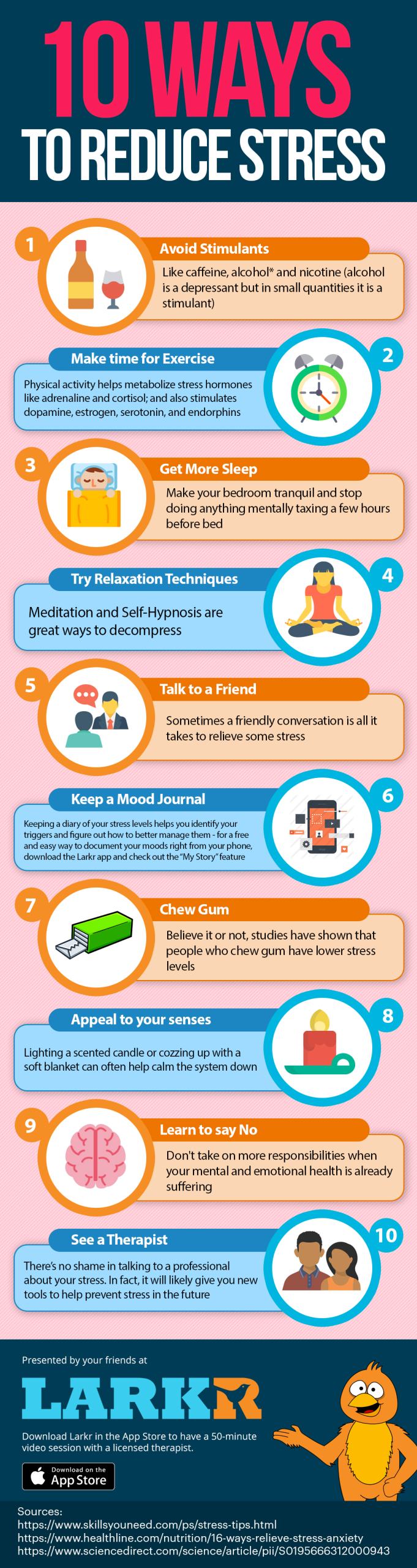
Marily Oppezzo, PhD, and BJ Fogg, PhD, emphasize the importance of movement breaks as a reset for both body and mind. Between meetings, engage in simple actions like stretching, squats, or using resistance bands. This physical activity breaks the cycle of sedentary stress and prevents the buildup of tension.
2. Hydration and Cognitive Function
Dehydration is a quiet killer of productivity. It significantly increases fatigue and mental fog. By keeping water intake consistent, you support brain function and keep your energy levels stable, preventing the mid-afternoon "crash" that often leads to increased stress.
3. Mindfulness as a Foundation
Starting your day with mindfulness—whether through deep breathing, meditation, or quiet reflection—sets the tone for emotional regulation. This practice allows you to approach your to-do list with a centered mind rather than a reactive one.
Managing Your To-Do List Without Overwhelm
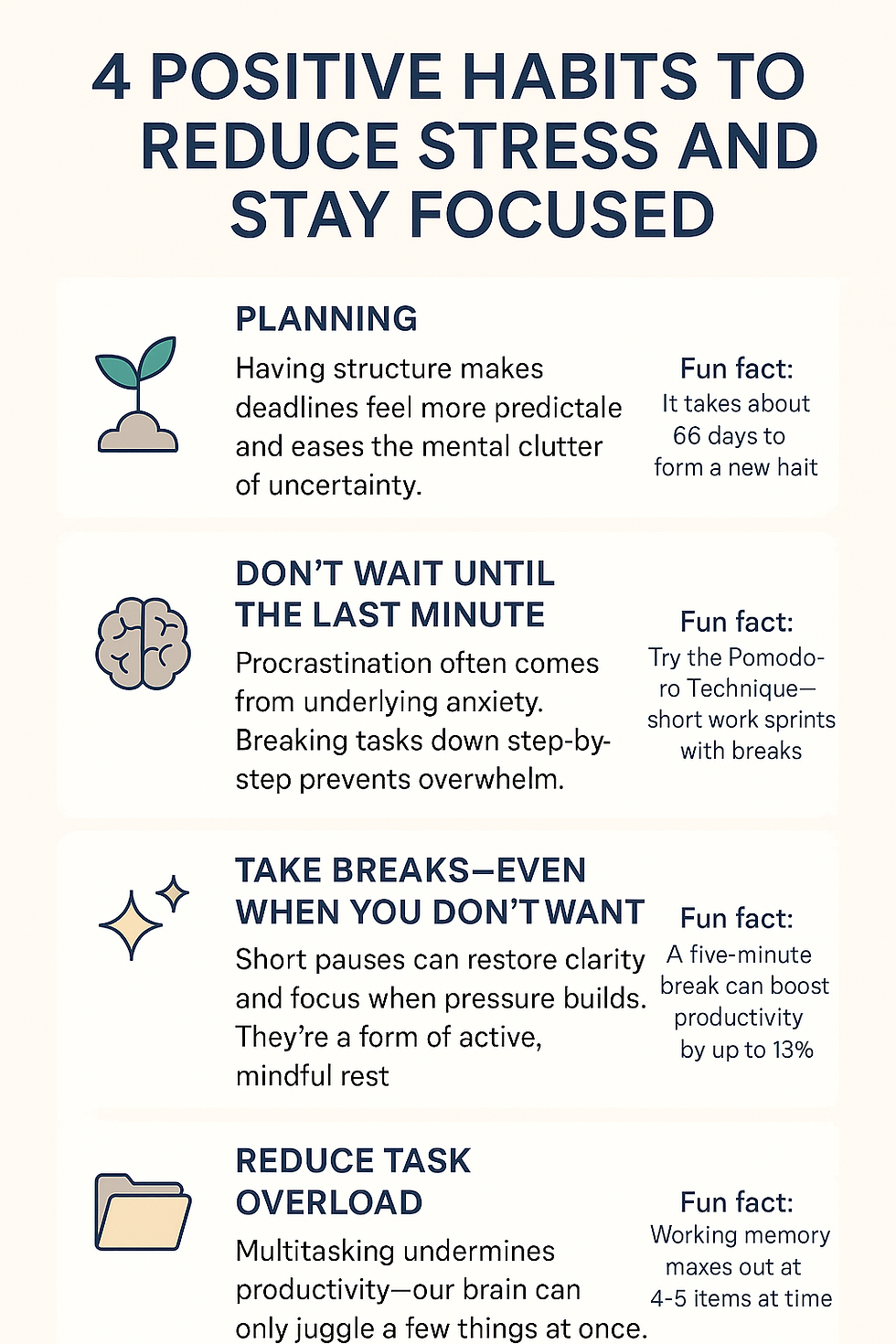
A common source of stress is the feeling of being "overloaded." In 2026, the most productive individuals are those who practice realistic planning. Instead of creating a massive, impossible list, prioritize your tasks and break them into small, manageable steps.
- Celebrate Small Wins: Acknowledging even minor accomplishments releases dopamine, which reinforces positive habits and reduces the pressure of large projects.
- The Power of "No": Sometimes, the most productive thing you can do is decline a request. Protecting your time and attention is essential for maintaining high-quality output.
- Weekly Reviews: Set aside time at the end of each week to assess what worked and what didn't. This prevents small stressors from compounding into large, unmanageable problems.
The Role of Environment and Connection
Your physical surroundings play a major role in your daily stress levels. Simple visual reminders of calm, such as photos of loved ones, inspiring quotes, or even a preferred essential oil at your desk, can serve as grounding anchors during high-pressure moments.
Staying Connected
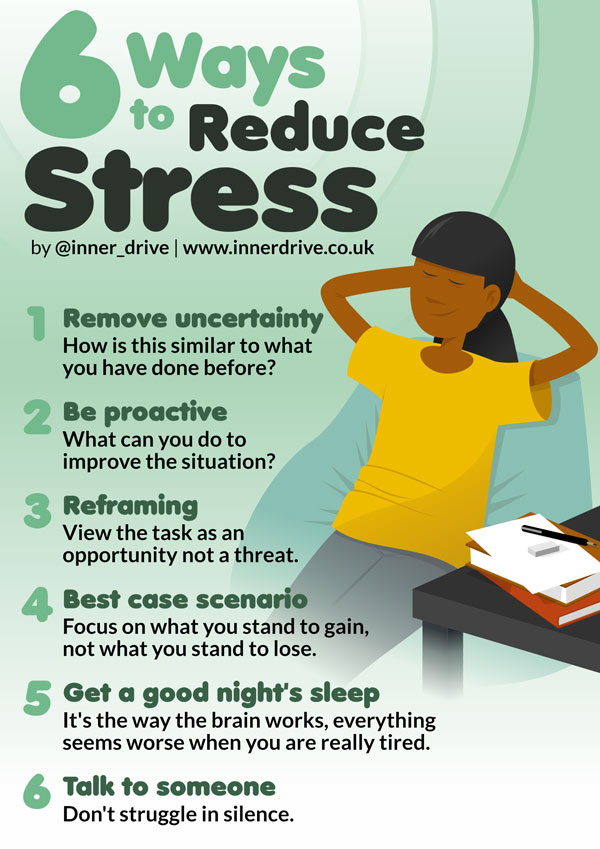
Social engagement is one of the most effective ways to build resilience. Whether it is a quick check-in call with a friend or quality time with family, human connection provides the emotional support necessary to navigate life's challenges. As Harvard Health highlights, staying socially connected is a cornerstone of long-term stress management.
Establishing Boundaries with Technology
In 2026, the constant ping of notifications is a primary driver of mental fatigue. Setting firm boundaries for screen time, particularly before bed, is essential for quality sleep. By creating a digital-free buffer zone before you sleep, you allow your brain to wind down properly, ensuring you wake up refreshed and ready for the next day.
Leveraging the "Flow State" to Neutralize Cognitive Friction
In 2026, the concept of Deep Work has matured into an essential survival skill. As the digital economy becomes increasingly saturated with AI-generated noise and constant information flow, your ability to enter a Flow State—that psychological zone where you are fully immersed and energized—is the ultimate productivity hack. When you are in flow, your stress levels drop because your focus is singular and your internal critic is silenced.
Identifying Your Peak Biological Window
Everyone has a unique chronotype that dictates when their cognitive functions are sharpest. For some, this is the early morning; for others, it is late at night. Trying to force high-leverage work during your "slump" hours is a primary cause of chronic workplace stress.
- Audit Your Energy: Track your focus levels for one week. Identify the two-hour block where you feel most alert and capable of complex problem-solving.
- Guard the Window: Treat this time as a high-priority meeting. Disable all notifications, close irrelevant tabs, and communicate your unavailability to colleagues.
- The 90-Minute Rule: Research suggests that the human brain operates in ultradian rhythms, typically lasting about 90 minutes. After this, your focus naturally wanes. Respect this biological limit by scheduling a hard stop for a recovery break.
Reducing Friction in Your Workflow
Cognitive friction occurs when you have to spend mental energy deciding what to do next rather than actually doing it. By reducing the number of micro-decisions you make, you preserve your "decision capital" for the tasks that truly matter.
- Template Your Routine: Create standardized workflows for recurring tasks. If you write the same type of email or report often, use templates to eliminate the need to reinvent the wheel.
- Organize Your Digital Workspace: A cluttered desktop mirrors a cluttered mind. Spend the last ten minutes of your workday tidying your virtual environment so that the next morning starts with a clean slate.
- Batching Tasks: Group similar activities together—such as answering all emails, making all phone calls, or handling all administrative paperwork—to minimize the context-switching tax that drains your cognitive reserves.
The Science of Strategic Disengagement
There is a growing movement in 2026 against the "always-on" mentality. High-performing professionals are realizing that strategic disengagement is not laziness; it is a tactical necessity for long-term output. If you never disconnect, your brain never enters the "default mode network" (DMN) required for creativity and complex synthesis.
Reclaiming Your Evenings
Your performance tomorrow is determined by how you spend your time tonight. If you carry work-related stress into your evening, you prevent your parasympathetic nervous system from initiating the recovery process.
- The "Brain Dump" Ritual: Before leaving your desk, write down every lingering task, idea, or worry on a physical piece of paper. This "offloads" the cognitive load, signaling to your brain that it is safe to stop processing these items until the next morning.
- Analog Transition: Replace screens with analog activities during the final hour of your day. Reading a physical book, practicing a craft, or engaging in light household chores helps bridge the gap between "work mode" and "rest mode."
- Temperature and Lighting: Adjust your environment to signal sleep. Dimming lights and lowering the ambient temperature mimics the natural transition of the sun, which helps regulate melatonin production [Source 5].
The Role of Naps and Restorative Micro-Breaks
When you feel the mid-day "crash," fighting through it with more caffeine often leads to increased anxiety and decreased quality of work. Instead, consider the research-backed efficacy of a 20-minute power nap or a period of "non-sleep deep rest" (NSDR).
- Restorative Reset: A brief period of quiet, eyes-closed relaxation can help clear the buildup of adenosine in the brain, effectively "resetting" your alertness without the jitters associated with excessive stimulants.
- Nature Immersion: Even a five-minute walk outside can reduce levels of cortisol significantly. The visual complexity of nature provides a "soft fascination" that allows your attention to replenish itself far more effectively than looking at a screen [Source 4].
Optimizing Social Dynamics for Lower Stress
In 2026, the complexity of remote and hybrid work environments has made human connection both more valuable and more difficult to sustain. Stress often stems from miscommunication, ambiguity, or a lack of psychological safety within a team.
Cultivating High-Trust Environments
When you operate in a high-trust environment, your nervous system remains closer to your Window of Tolerance. When trust is low, you are constantly scanning for threats, which keeps you in a state of hyperarousal.
- Clear Communication: Reduce ambiguity by clearly defining expectations, deadlines, and success metrics. If you aren’t sure what is expected of you, ask early. Clarity is the antidote to anxiety.
- Emotional Intelligence (EQ): Practice active listening. When you feel heard and understood, your stress levels decrease, and your ability to collaborate improves.
- The "Check-In" Culture: Normalize talking about workload and capacity. If you are nearing your limit, stating it early allows for adjustments before a crisis occurs, fostering a culture of mutual support rather than competitive burnout.
Setting Boundaries with Colleagues
Productivity is not about saying "yes" to everything; it is about saying "no" to the things that distract from your primary goals. Setting healthy boundaries is a skill that requires practice and consistency.
- Communicate Your Availability: Use status indicators or calendar blocks to signal when you are in deep work mode.
- The "Not Now" List: If someone makes a request that doesn't align with your immediate priorities, learn to say, "I can't get to that today, but I can look at it on Thursday." This manages expectations while protecting your current focus.
- Respect Others' Boundaries: By modeling respectful behavior, you encourage your colleagues to do the same, creating a systemic reduction in stress for the entire team.
Nutrition and Physical Vitality as Stress Buffers
The physiological response to stress is costly. It consumes nutrients and demands energy. If you are not fueling your body correctly, you are essentially trying to run a high-performance engine on low-grade fuel. In 2026, the link between gut health and mental resilience is more widely understood than ever before.
Fueling for Focus
Blood sugar fluctuations are a major driver of irritability and fatigue. When your blood sugar spikes and crashes, your body releases stress hormones to compensate.
- Stabilize Energy: Focus on complex carbohydrates, healthy fats, and lean proteins to maintain steady energy levels throughout the day.
- Hydration Habits: Dehydration is often mistaken for hunger or fatigue. Keep a water bottle visible at your desk. Proper hydration is essential for the electrical impulses that allow neurons to communicate [Source 5].
- Avoid "Stress Snacking": High-sugar, processed snacks provide a temporary dopamine hit but lead to a subsequent energy dip. Opt for whole foods—nuts, berries, or yogurt—that provide sustained nourishment.
The Movement-Stress Connection
We have evolved to be moving creatures, yet modern work keeps us sedentary. This disconnect creates a physical tension that the brain interprets as "stress."
- Desk Ergonomics: Ensure your workspace is set up to prevent physical strain. Neck and back pain are significant, often overlooked, sources of chronic, low-level stress.
- The "Movement Menu": Create a list of 2-minute movements you can do anywhere: lunges, wall push-ups, or even just deep, intentional stretching. Keep this list accessible so you don't have to think about what to do when you need a break.
- Intensity Matters: While low-intensity movement is great for breaks, high-intensity exercise is excellent for processing the adrenaline that builds up during a high-stress day. If you’ve had a particularly difficult meeting, a quick run or a set of burpees can help you "burn off" the fight-or-flight energy [Source 4].
Integrating Technology as a Productivity Ally
In 2026, technology is often blamed for our stress, but when used intentionally, it is our most powerful tool for management. The key is to move from being a consumer of technology to a curator of it.
Automating the Mundane
If you find yourself doing the same repetitive digital tasks, you are wasting the most valuable resource you have: your attention.
- AI-Assisted Workflows: Use AI tools to draft emails, summarize long documents, or organize data. This doesn't replace your intellect; it augments it, freeing you to focus on high-level strategy and creative problem-solving.
- Task Management Systems: Use digital tools to keep your "to-do" list out of your head. When your brain doesn't have to hold onto a list of tasks, it is free to focus on the task in front of you.
- Notification Management: Turn off all non-essential notifications. If it’s not an emergency, it doesn't need to interrupt your focus. Use "Do Not Disturb" modes as your default operating state during work hours.
Digital Minimalism
The constant barrage of information—news, social media, emails—keeps the brain in a state of continuous partial attention. This is exhausting and prevents deep, meaningful work.
- Curate Your Feed: Unfollow accounts that trigger anxiety or comparison. Your digital environment should be as clean and supportive as your physical one.
- Scheduled Input: Instead of checking news or social media throughout the day, schedule two 15-minute blocks for "input." This prevents the endless scroll and maintains your focus.
- The "Off" Switch: At the end of the day, turn off the devices. Creating a definitive end to your digital engagement is the most effective way to protect your mental health and ensure you are ready for the next day's challenges.
Developing a Growth Mindset Toward Stress
Ultimately, the most resilient individuals in 2026 aren't those who experience the least stress; they are the ones who view stress as a signal rather than a threat. This shift in perspective is the foundation of long-term productivity.
Reframing the Stress Response
When you feel your heart rate climb before a presentation or a big deadline, don't label it as "anxiety." Label it as "readiness." Your body is preparing you to perform at your best. This small cognitive reframing can change your physiological reaction from one of fear to one of engagement.
- The Power of Reflection: When you successfully navigate a stressful situation, take a moment to analyze what went well. What tools did you use? How did you regulate your breathing? Building this "resilience library" makes it easier to handle future challenges.
- Embracing Imperfection: Perfectionism is a major driver of stress and a major inhibitor of productivity. Aim for "excellence" instead of "perfection." Done is often better than perfect, and the iterative process is where the real learning happens.
- Learning from Failure: When you fail to manage your stress, don't beat yourself up. Use it as data. What was the trigger? Was it a lack of sleep? A poorly managed calendar? Adjust your system and move forward.
Building a Long-Term Resilience Toolbox
Your capacity to handle stress is not fixed; it is a muscle that you can strengthen through daily practice. By consistently applying these rituals—mindfulness, movement, boundary-setting, and strategic rest—you are not just becoming more productive; you are becoming a more capable, grounded, and resilient human being.
- Start Small: Don't try to change your entire life overnight. Pick one or two rituals that resonate with you and commit to them for a week. Once they become habits, add another.
- Monitor Your Progress: Pay attention to how you feel. Are you sleeping better? Is your focus sharper? Are you feeling less overwhelmed? Use these positive indicators to reinforce your commitment.
- Stay Flexible: Life is unpredictable. If a busy week throws your routine off, don't worry. The goal is consistency over the long term, not perfection on any given day.
By taking these steps, you are actively choosing to rewrite the narrative of your professional life in 2026. You are moving away from the reactive, burnout-prone patterns of the past and into a new era of intentional, sustainable, and highly effective living. Your productivity is not a finite resource to be depleted; it is a renewable energy that, when managed with wisdom and care, can fuel your success for years to come.
The Architecture of "Micro-Recovery"
In the high-stakes environment of 2026, the traditional model of working through a task until completion is increasingly being replaced by micro-recovery cycles. Research into high-performance athletes has long shown that the secret to stamina isn't just the intensity of the effort, but the quality of the rest intervals between bursts of exertion. By applying this "sports science" approach to your desk job, you can maintain a sustained output that prevents the afternoon crash entirely.
Designing Your Recovery Protocol
Recovery is not merely the absence of work; it is an active, restorative process. When you treat your recovery with the same seriousness as your work, you prevent the accumulation of cortisol debt that leads to long-term burnout [Source 2].
- The 5-Minute Reset: Use a timer to step away from your monitor every 50 minutes. During this time, look at something at least 20 feet away to reduce eye strain, and perform a simple breath-work exercise—inhaling for four seconds and exhaling for six—to trigger your parasympathetic nervous system.
- The Sensory Shift: If your work is highly analytical and digital, your recovery should be physical and analog. Touching physical objects, such as a stress ball, a fidget toy, or simply organizing a physical workspace, helps ground your brain in the present moment.
- The "No-Phone" Break: Many people mistakenly believe that scrolling through their phone during a break counts as rest. It does not. It is simply a shift in cognitive load that keeps your brain in a state of high-alert processing. True recovery requires sensory silence [Source 5].
The Impact of Environmental Psychology on Output
Your workspace in 2026 is more than just a desk and a chair; it is a cognitive anchor. Environmental psychology suggests that your brain associates specific stimuli with specific mental states. If you work from your bed or on the couch, your brain struggles to distinguish between "rest mode" and "performance mode," leading to a persistent, low-level cognitive friction that drains your battery [Source 4].
Optimizing the "Focus Zone"
To minimize stress and maximize productivity, you must curate an environment that signals to your nervous system that it is time to work, and more importantly, when it is time to stop.
- Light and Temperature Control: Exposure to bright, cool-toned light during the day enhances alertness and suppresses melatonin, while warm, dim lighting in the evening signals the start of the recovery phase.
- Acoustic Management: Constant background noise—even if it seems negligible—forces your brain to filter out auditory data, which consumes attentional bandwidth. Use noise-canceling headphones or "brown noise" to create a consistent acoustic environment that protects your focus.
- The "Visual Perimeter": Clear your desk of everything except the one project you are currently working on. A clean peripheral view reduces the "background noise" of your to-do list, allowing you to stay in Flow State for longer periods [Source 3].
Advanced Stress-Mitigation for the Digital Age
As we move deeper into 2026, the rise of "asynchronous communication" is changing how we manage our time. While this shift offers more flexibility, it also creates a sense of perpetual availability. To stay productive, you must become a master of asynchronous boundaries.
Mastering the Asynchronous Workflow
The expectation of an immediate response is the enemy of deep work. By training your colleagues and stakeholders to expect delayed responses, you reclaim the power to schedule your own focus.
- Batch Communication: Do not check your messaging apps or email in real-time. Instead, schedule specific windows—e.g., 10:00 AM and 3:00 PM—to clear your inbox. Communicate this schedule in your email signature to manage expectations proactively.
- The "Urgency Trap": Most "urgent" requests are actually just high-priority to someone else, not necessarily to your core objectives. Practice the art of the strategic delay—waiting 30 minutes before responding to any non-emergency request to see if the problem resolves itself or if your perspective shifts.
- Automated Status Updates: Use status indicators in your project management software to signal when you are unavailable. Being "offline" for a few hours a day is a requirement for high-level thinking, not a sign of poor performance [Source 2].
Harnessing the Power of "Cognitive Offloading"
One of the most common sources of daily stress is the Zeigarnik Effect—the tendency of the brain to remember uncompleted tasks better than completed ones. This creates a "loop" in your mind that consumes mental energy even when you aren't actively working. In 2026, the most effective way to combat this is through systematic cognitive offloading.
The External Brain System
Stop using your brain as a storage device for tasks. Your brain is for processing and creating, not for holding onto a grocery list of 40 pending action items.
- The Master Inbox: Capture every single task, idea, or reminder in a single, trusted location (a physical notebook or a digital app). By getting it out of your head, you immediately reduce the mental load and the anxiety associated with forgetting something.
- The Daily "Shutdown" Ritual: Spend the last ten minutes of your workday reviewing your master inbox and scheduling the next day’s top three priorities. Once these are written down, your brain is "authorized" to stop thinking about them until the following morning [Source 3].
- The Weekly Review: This is the most critical ritual for long-term stress management. Every Friday, look at your progress, identify bottlenecks, and clear the "clutter" from your digital systems. This provides a sense of completion and closure that is essential for a truly restorative weekend.
The Role of "Biological Priming" in Daily Performance
In 2026, we are learning that performance is not just about what you do, but how you prime your biology for the task at hand. Your body’s circadian rhythm dictates your capacity for focus, and ignoring this is a shortcut to burnout.
Aligning Tasks with Energy Peaks
You have a limited amount of "high-quality" focus time each day. If you use it on administrative busywork, you are wasting your most valuable resource.
- The "Deep Work" Window: Schedule your most complex, creative, or high-stakes work during your peak energy hours—usually in the morning for most people. If you know you are a "night owl," protect those late-night hours with the same intensity as a morning person.
- The "Low-Energy" Buffer: Reserve your afternoon slumps for low-cognitive tasks: filing, scheduling, answering routine emails, or tidying your digital space. These tasks don't require your best brainpower and can be completed even when your energy is waning.
- Movement as Fuel: If you feel your focus drifting during your peak window, do not reach for more caffeine. Instead, use a movement-based reset—a quick walk or a set of bodyweight exercises—to increase blood flow to the brain and clear the "mental fog" that accumulates after a long period of concentration [Source 4].
Cultivating Emotional Resilience Through "Radical Acceptance"
A core pillar of modern stress management is radical acceptance—the practice of acknowledging the reality of a situation without adding the "extra" suffering that comes from wishing things were different. In 2026, the volatility of the global market and the rapid pace of change mean that "unexpected" events are the new normal.
Managing the Internal Response
Stress is often caused not by the event itself, but by our internal resistance to the event. When you stop fighting the reality of a difficult situation, you free up the mental energy needed to solve the problem.
- The "Observer" Perspective: When you feel a surge of frustration or anxiety, step back and observe the feeling as if you were an outsider. Ask yourself: "Is this emotion helping me solve the problem?" Usually, the answer is no. This creates the emotional distance necessary to respond rationally.
- Reframing Challenges: Every setback is an opportunity to test your resilience toolbox. When something goes wrong, instead of asking "Why is this happening to me?", ask "What does this situation require of me right now?"
- The Power of Self-Compassion: Research shows that people who are kind to themselves after a failure are actually more productive and more likely to succeed in the long run than those who rely on harsh self-criticism. Treat yourself like you would a colleague or a friend who is struggling [Source 1].
Optimizing the "Work-Life Transition"
The boundary between work and life has become increasingly porous in 2026. Without a clear "ceremony" to mark the end of the workday, the stress of the office bleeds into your personal time, preventing true recovery. You need a transition ritual to signal to your nervous system that the workday is officially over.
Creating the Transition Ceremony
This ritual acts as a psychological "gate," allowing you to leave the stress of your professional tasks behind.
- The Digital Logout: Physically closing your laptop and putting it away—out of sight—is a powerful signal to the brain. If you work from home, consider designating a specific area of your home as the "office" that you do not enter after hours.
- The Change of State: A simple change in clothing, a shower, or a specific piece of music can help shift your brain from "work mode" to "personal mode." This sensory shift is a proven way to trigger the parasympathetic nervous system [Source 4].
- The "Gratitude Gap": Before you start your evening, identify three things that went well during the day. This shifts your focus from the stressors of the day to the small wins, reinforcing a positive mindset and reducing the likelihood of "rumination" during your downtime [Source 5].
The Future of Sustainable Productivity: "Human-Centric Design"
As we continue through 2026, the most successful professionals will be those who design their lives around their own human needs rather than the requirements of a machine-like work culture. This means prioritizing sleep, movement, connection, and purpose as the primary drivers of output.
Building a Sustainable Ecosystem
Your productivity is the output of your entire ecosystem. If your physical health, mental health, or social connections are neglected, your productivity will inevitably suffer.
- Sleep Hygiene as Productivity Strategy: Sleep is the only true performance enhancer. Prioritize 7–9 hours of sleep by creating a "dark and cool" bedroom environment, avoiding blue light before bed, and maintaining a consistent wake-up time, even on weekends.
- Social Connection as a Stress Buffer: Don't let your work schedule crowd out your social life. Strong, high-quality relationships are the single biggest predictor of long-term health and happiness. Schedule social time with the same commitment you apply to a high-priority business meeting [Source 3].
- Purpose-Driven Productivity: When you feel overwhelmed, reconnect with the "why" behind your work. Reminding yourself of the value you provide helps to make the daily stressors feel like a worthwhile investment rather than a burden.
Advanced Strategies for Managing Cognitive Load
In the information-heavy environment of 2026, the biggest threat to your productivity is attention fragmentation. Your ability to focus is a finite resource, and every time you switch tasks, you pay a "switching tax" that depletes your energy. To stay sharp, you must protect your cognitive bandwidth with the same care you would protect your finances.
The Art of "Mono-Tasking"
Multi-tasking is a myth. What we call multi-tasking is actually rapid task-switching, and it is scientifically proven to reduce IQ, increase stress, and lower the quality of your output [Source 2].
- The Single-Task Commitment: When you sit down to complete a task, commit to doing only that task until it is finished or until your time block expires. Close all other tabs, silence your phone, and clear your desk.
- The "Parkinson’s Law" Implementation: Parkinson’s Law states that "work expands to fill the time available for its completion." By setting aggressive, yet realistic, time limits for your tasks, you force your brain to focus and eliminate the "fluff" that often accompanies projects.
- The "Waiting" List: When you are working and remember something else you need to do, don't stop your current task. Write the new item on a "Waiting" list and return immediately to your primary focus. This preserves your momentum while ensuring you don't lose the idea.
The Role of "Non-Sleep Deep Rest" (NSDR)
When the day feels overwhelming and your focus is shattered, you don't necessarily need more caffeine or more time. You need a way to restore your nervous system's balance. Enter Non-Sleep Deep Rest (NSDR)—a collection of protocols including yoga nidra, meditation, and guided relaxation that can help you recover mental energy in as little as 10 to 20 minutes [Source 1].
Implementing NSDR into Your Day
NSDR is a powerful tool for shifting your brain waves from the high-beta state of active work to the alpha or theta states of relaxation and synthesis.
- Mid-Day Recharge: Use a 15-minute NSDR script during your lunch break. This can be more effective than a nap because it does not result in "sleep inertia"—the groggy feeling you get when waking up from a deep sleep.
- Pre-Meeting Calm: If you have a high-stakes presentation or a stressful meeting, a brief NSDR session can help you lower your heart rate and sharpen your focus before the event begins.
- Evening Wind-Down: Use NSDR to help your brain transition from the high-stimulation environment of the workday to the calm environment of the home, ensuring you sleep more deeply and wake up more refreshed [Source 5].
The "Flow State" as a Protective Mechanism
When you are in a Flow State, your brain’s prefrontal cortex—the part responsible for self-monitoring and social anxiety—actually decreases in activity. This is why you feel so calm and focused. In 2026, the ability to trigger this state on demand is the ultimate productivity hack.
Triggers for Flow
Flow is not an accidental phenomenon; it is a state that can be cultivated by managing the balance between the challenge of the task and your skill level.
- Clear Objectives: You must know exactly what you are trying to achieve. Ambiguity is the enemy of flow.
- Immediate Feedback: You need a way to know you are making progress. If you are writing, see the words appear on the screen. If you are coding, run the test. The quicker the feedback loop, the easier it is to stay in flow.
- Eliminate Distractions: Flow requires sustained, uninterrupted concentration. If you are interrupted, it can take up to 20 minutes to regain the same level of focus. Protect your flow state as if your productivity depends on it—because it does [Source 3].
Managing the "Comparison Trap" in the Digital Age
Social media in 2026 is designed to trigger our social comparison instincts. When you see the curated, highlight-reel lives of others, it is easy to feel that your own efforts are insufficient. This creates a state of chronic inadequacy that is a massive, silent drain on your productivity and well-being.
Defending Your Mindset
You must actively curate your digital environment to protect your mental health. If an account, a news outlet, or a digital community makes you feel inadequate, stressed, or envious, you have a duty to yourself to remove it from your feed.
- The "Mute" and "Unfollow" Strategy: Be ruthless. Your digital space should be a source of inspiration, education, or connection, not a source of anxiety.
- Focus on the Process, Not the Outcome: Productivity is about the quality of your daily habits, not the comparison of your results with others. When you focus on the consistency of your own progress, you become immune to the "comparison trap."
- Human-to-Human Connection: Replace digital comparison with real-world connection. When you talk to real people about their struggles and successes, you realize that everyone is navigating their own set of challenges. This humanizes your perspective and reduces the pressure to be "perfect" [Source 4].
The Power of "Small Wins" in Building Momentum
When you are working on a massive, long-term project, it is easy to get discouraged by how far you have to go. This feeling of being "stuck" is a major stressor. The solution is to break your work into micro-milestones that you can celebrate throughout the day.
The Psychology of Achievement
Every time you complete a task, your brain releases a small amount of dopamine. This is the brain’s "reward" chemical, and it is the key to building sustainable motivation.
- The "Done" List: Instead of just having a "To-Do" list, keep a "Done" list. At the end of the day, reviewing what you have accomplished provides a sense of progress that is essential for maintaining your energy for the next day.
- The 5-Minute Rule: If you are struggling to start a project, commit to working on it for just five minutes. Often, the hardest part is the friction of starting. Once you have broken that barrier, you will likely find the momentum to keep going.
- Celebrating the Journey: Don't wait for the final project completion to reward yourself. Acknowledge the small daily efforts that contribute to your overall success. This reinforces the positive behavior and makes the work feel less like a grind and more like a progression [Source 2].
Maintaining Vitality Through Physical Resilience
Your body is the foundation of your productivity. In 2026, the sedentary nature of most professional work is a direct challenge to your health. By incorporating physical resilience into your daily routine, you can combat the negative effects of stress and ensure you have the energy to perform at your best.
The Physical Pillars of Productivity
Physical resilience is not just about going to the gym; it is about how you move and fuel your body throughout the entire day.
- Hydration and Brain Chemistry: Even mild dehydration can impair your cognitive performance and increase your stress response. Keep water within reach and make it a habit to drink throughout the day, not just when you are thirsty [Source 5].
- The "Movement Menu": Keep a list of 2-minute movements—stretching, squats, or desk-appropriate exercises—that you can perform between tasks. This prevents the physical tension that builds up during long periods of sitting and keeps your energy levels high.
- Nutrition as Information: Think of food as information for your cells. High-quality, whole foods provide the nutrients your brain needs to handle stress and maintain focus, whereas highly processed foods lead to energy spikes and crashes that make stress management significantly more difficult [Source 4].
References
-
Verywellmind — 18 Effective Stress Relief Strategies – Verywell Mind, 2026
-
Psychologytoday — How to Reduce Work Stress and Be More Productive, 2026
-
Lifehack — 7 Daily Stress-Management Rituals that Improve Your Productivity, 2026
-
Lifestylemedicine — Daily Habits to Reduce Everyday and Acute Stress, 2026
-
Healthieru — 10 Daily Habits to Reduce Stress | HealthierU | Nebraska, 2026
-
Psychologytoday — A 24-Hour Plan for Reducing Daily Stress – Psychology Today, 2026
-
Health — Top ways to reduce daily stress – Harvard Health, 2026
-
Asana — How to be more productive: 13 tips to practice today – Asana, 2026