How Nature Walks Can Improve Your Mental Health
In the whirlwind of modern life, where digital notifications and urban pressures constantly vie for our attention, finding moments of genuine peace and mental rejuvenation can feel like an uphill battle. Yet, a powerful, accessible, and time-tested antidote lies just outside our doors: the humble nature walk. By 2026, scientific understanding of nature's profound impact on mental well-being has only deepened, solidifying its place not just as a pleasant pastime, but as a crucial component of holistic well-being, fostering a profound mind-body harmony. This comprehensive guide delves into the science-backed benefits of stepping into the great outdoors, exploring How Nature Walks Can Improve Your Mental Health by transforming your mood, sharpening your focus, and dramatically reducing stress and anxiety.
You might have experienced it yourself – that inexplicable sense of calm after a stroll through a park, or the mood lift from breathing in fresh, crisp air. These aren't mere subjective feelings; they are physiological responses rooted in our primal connection with the natural world. As mental health concerns continue to be a significant global challenge, understanding and embracing nature-based interventions, often referred to as ecotherapy or green exercise, has become more vital than ever. This article, drawing on the latest research and expert insights up to 2026, will equip you with the knowledge and motivation to integrate nature walks into your life for enhanced mental clarity and overall well-being, demonstrating precisely How Nature Walks Can Improve Your Mental Health.
The Science Behind Nature's Healing Embrace
The notion that nature is good for us is ancient, but modern science is now precisely quantifying its benefits. Research consistently reveals that immersing ourselves in natural environments triggers a cascade of positive changes in our brains and bodies, clearly illustrating How Nature Walks Can Improve Your Mental Health. It's not just about escaping to the wilderness; even brief encounters with green spaces can elicit significant mental health improvements and support overall immune system function.
Lowering Cortisol: The Stress Hormone Buster
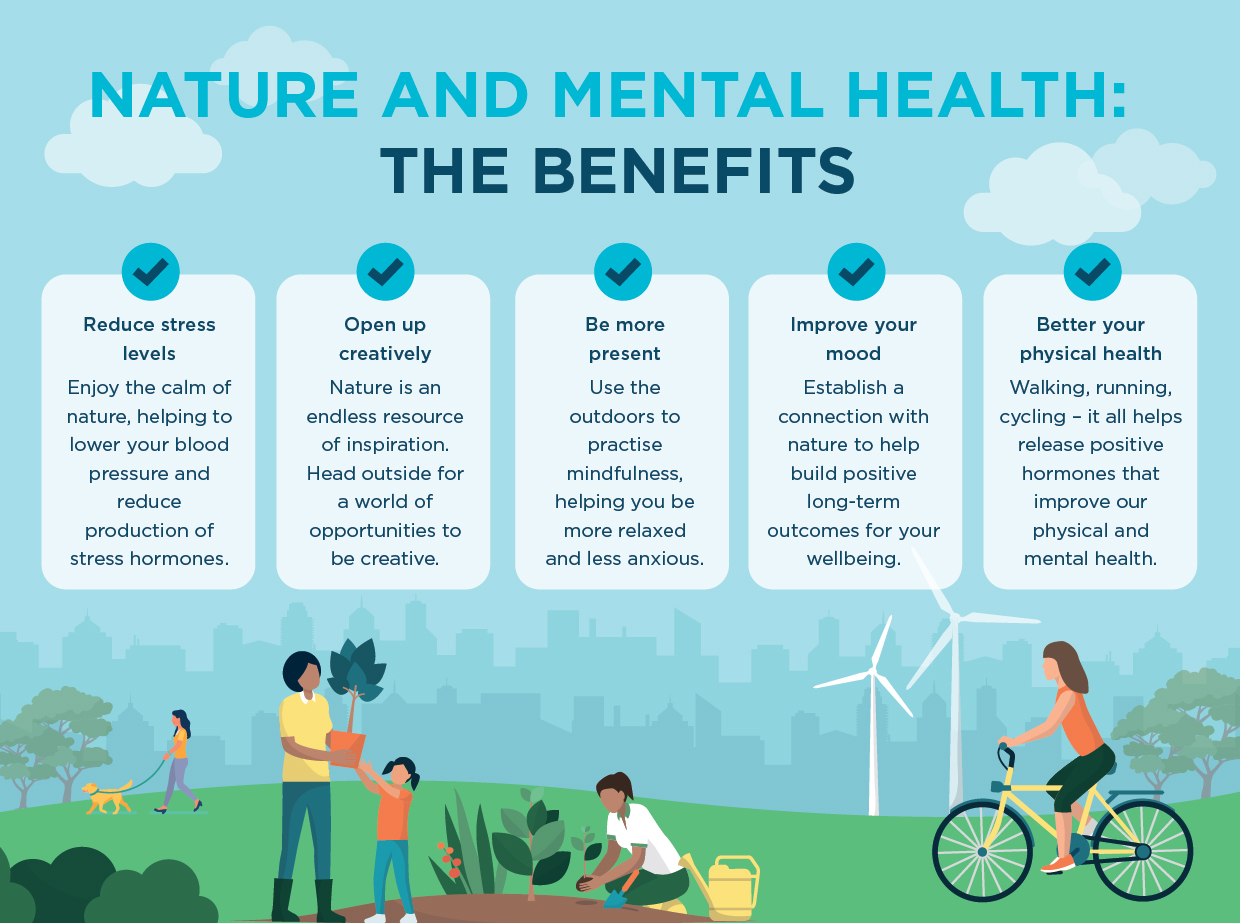
One of the most well-documented benefits of spending time in nature is its remarkable ability to reduce cortisol, the body's primary stress hormone. When we're exposed to high-stress environments or constant digital stimulation, our nervous system remains on high alert, leading to feelings of irritability, anxiety, and emotional drain.

"When you spend too much time in high-stress or nature-deprived environments, your nervous system doesn't get a chance to shut off or unwind," explains clinical psychologist Susan Albers, PsyD. "The brain stays in alert mode, which can lead to feeling irritable, anxious, emotionally drained, and overwhelmed." Natural settings, however, help your body relax, serving as a powerful form of natural stress relief. Studies have shown that walking in green spaces significantly lowers cortisol levels, a key mechanism in How Nature Walks Can Improve Your Mental Health. As these levels decrease, heart rate and blood pressure tend to fall, promoting a state of physical and mental relaxation. This phenomenon is so recognized that Japan has a term for it: "forest therapy" or "Shinrin-yoku," emphasizing the therapeutic power of immersing oneself in the forest atmosphere.
A Calmer Nervous System and Quieter Mind
Our modern lives are often characterized by a relentless barrage of stimuli – constant notifications, demanding schedules, and screen overload. This hyper-connectivity can keep our nervous system in a perpetual state of alert, contributing to anxiety and overwhelm. Nature walks offer a simple yet profound way to interrupt this cycle, showcasing a core aspect of How Nature Walks Can Improve Your Mental Health. By stepping outside, you can actively shift your nervous system out of its "fight-or-flight" response. The gentle stimulation of natural environments, such as the rustling of leaves or the chirping of birds, provides a soft, non-threatening focus that allows the brain to relax. This quietude helps in reclaiming mental clarity and fostering a sense of presence. Ultimately, this leads to feeling less tense, less reactive, and more emotionally balanced.
Boosting Mood and Cultivating Happiness
Beyond stress reduction, nature walks are potent mood boosters, directly demonstrating How Nature Walks Can Improve Your Mental Health. Research consistently links time spent in natural environments with increased feelings of happiness and a significant decrease in negative emotions. A notable study published in the Proceedings of the National Academy of Sciences found that participants who spent time walking outdoors experienced measurable mood improvements and fewer symptoms of depression. They reported feeling more positive and less mentally fatigued, underscoring how simply being in nature can spark genuine joy and emotional well-being. The exposure to sunlight in natural settings also aids in the production of serotonin, a key neurotransmitter associated with mood regulation, while the physical activity can also stimulate the release of dopamine and endorphins, further contributing to a brighter outlook and enhanced vitality.
The Multifaceted Benefits of Nature Walks
The advantages of embracing nature walks extend far beyond a temporary mood lift, providing a clear understanding of How Nature Walks Can Improve Your Mental Health. They offer a holistic approach to mental wellness, impacting everything from cognitive function to emotional resilience.
Enhancing Creativity and Cognitive Function
In today's innovation-driven world, creativity and problem-solving skills are highly prized. Nature walks can be a powerful catalyst for unlocking your creative potential, further illustrating How Nature Walks Can Improve Your Mental Health. A joint study by the University of Utah and the University of Kansas revealed that participants immersed in natural environments for several days experienced up to a 50% increase in creativity. The tranquil surroundings and the absence of digital distractions allow the mind to wander freely, fostering new ideas and fresh perspectives. This mental space is crucial for divergent thinking, a key component of creativity.
Furthermore, nature walks are instrumental in improving concentration and focus, another key aspect of How Nature Walks Can Improve Your Mental Health. According to the Attention Restoration Theory, natural environments provide gentle, captivating stimuli that help the brain recover from mental fatigue caused by demanding tasks. Unlike the constant, high-level engagement required by urban settings or digital devices, nature offers a restorative form of attention, making these truly restorative environments. This allows your cognitive resources to replenish, leading to sharper focus and better problem-solving abilities upon returning to your daily tasks.
Mitigating Anxiety and Negative Rumination
For individuals struggling with anxiety and persistent negative thoughts, nature walks offer a powerful therapeutic tool, highlighting another way How Nature Walks Can Improve Your Mental Health. A systematic review published in Current Psychology highlighted that nature-based walking interventions are effective in mitigating stress, anxiety, and negative rumination. By shifting your attention from internal worries to the external world – the sights, sounds, and smells of nature – you can break free from cyclical negative thinking patterns. The grounding effect of being in nature helps individuals gain perspective on their problems, fostering a sense of emotional detachment that is crucial for healing.
Boosting Optimism and Nature Connectedness
Beyond immediate relief, regular nature walks contribute to a more optimistic outlook on life, showcasing yet another dimension of How Nature Walks Can Improve Your Mental Health. The systematic review mentioned earlier also found improvements in participants' sense of optimism and nature connectedness. As you spend more time in natural settings, you begin to develop a deeper appreciation for the environment and your place within it. This connection can foster a sense of belonging and wonder, counteracting feelings of isolation and existential unease. This "biophilia hypothesis," suggests humans have an innate affinity for nature, which, when nurtured, enhances psychological well-being.
Promoting Better Sleep
The benefits of nature walks aren't confined to daylight hours. Improved sleep quality is another significant advantage, demonstrating a holistic aspect of How Nature Walks Can Improve Your Mental Health. By reducing stress and calming the nervous system, nature walks prepare your body for rest. The natural light exposure during a daytime walk also helps regulate your circadian rhythm, the body's internal clock, promoting more consistent and restful sleep patterns. When your mind is less cluttered with worries and your body is more relaxed, falling asleep becomes easier, and sleep becomes deeper and more restorative.
Integrating Nature Walks into Your 2026 Routine
Understanding the benefits is one thing; consistently implementing nature walks to fully experience How Nature Walks Can Improve Your Mental Health is another. Thankfully, this practice can be surprisingly flexible and accessible.
What Constitutes a "Nature Walk"?
A nature walk doesn't require embarking on extreme wilderness expeditions. It simply involves walking in a natural setting. This can include:
- Local Parks and Green Spaces: Even small city parks offer a welcome respite.
- Wooded Trails and Forests: Immerse yourself in the tranquility of arboreal environments.
- Beaches and Lakeshores: The combination of water and natural landscape can be incredibly soothing.
- Gardens and Nature Reserves: Well-maintained green spaces provide a connection to the natural world.
The key is to consciously engage with your surroundings, rather than simply rushing through.
The Power of Short, Consistent Doses
You don't need to dedicate hours to experience the benefits. Research indicates that even 15 to 30 minutes in nature can significantly reduce stress and improve mood, underscoring the accessibility of How Nature Walks Can Improve Your Mental Health. In fact, some studies suggest that sessions between 20 to 90 minutes are most beneficial for mental health. This makes it feasible to incorporate nature walks into busy schedules, perhaps during a lunch break, before work, or as an evening wind-down.
Making it a Habit: Practical Tips
- Schedule It In: Treat nature walks like any other important appointment. Block out time in your calendar.
- Companion or Solitude: Nature walks can be a social activity with friends or family, or a deeply personal practice for self-reflection. Both offer unique benefits.
- Mindful Engagement: Pay attention to the sensory details. What do you see, hear, smell, and feel? This practice of deep sensory immersion amplifies the benefits.
- Digital Detox: Make a conscious effort to leave your phone on silent or put it away during your walk to fully disconnect from digital distractions.
- Vary Your Location: Explore different natural settings to keep the experience fresh and discover new benefits.
- Start Small: If getting into nature for 30 minutes feels daunting, begin with 10-15 minutes and gradually increase the duration.
Nature-Based Activities Beyond Walking
While walking is the primary focus, other nature-based activities offer similar benefits:
- Gardening: Engaging with soil and plants connects you to nature and provides a sense of accomplishment.
- Forest Bathing (Shinrin-yoku): This practice emphasizes slow, sensory immersion in a forest environment.
- Sitting and Observing: Simply finding a quiet spot in nature to sit and observe can be incredibly restorative.
Addressing Common Barriers and Concerns
Despite the clear advantages of How Nature Walks Can Improve Your Mental Health, life's demands can sometimes make nature walks seem like an unattainable luxury.
"I Don't Have Time."
As mentioned, even short bursts of nature exposure are beneficial. Consider:
- Lunch Break Walks: A 20-30 minute walk in a nearby park can be a powerful reset.
- Commute Alterations: If possible, incorporate a walk through a green space before or after your commute.
- Weekend Immersion: Dedicate longer stretches of time on weekends for deeper engagement.
"I Live in an Urban Area with Little Green Space."
Challenging, but not impossible. Look for:
- Pocket Parks and Community Gardens: These small oases can offer a crucial connection to nature.
- Green Roofs and Balcony Gardens: Even a small amount of greenery can have a positive impact.
- Day Trips to Nearby Natural Areas: Plan periodic escapes to larger parks or nature reserves.
- Virtual Nature Experiences: While not a substitute for real immersion, viewing nature documentaries or using nature sound apps can offer some benefits (though the direct sensory experience is unparalleled).
"The Weather Isn't Always Good."
Embrace the seasons! Nature offers beauty and benefits year-round.
- Winter Walks: The crisp air and stark beauty of winter can be invigorating and provide a different kind of peace. Dress appropriately!
- Rainy Day Preparedness: A good raincoat and waterproof shoes can make even drizzly walks enjoyable. The sounds and smells of nature after rain are unique.
Frequently Asked Questions About Nature Walks and Mental Health
Q1: How long do I need to spend in nature to see mental health benefits?
Research suggests that even 15 to 30 minutes can make a noticeable difference in reducing stress and improving mood. For more profound effects, sessions of 20 to 90 minutes are often cited as optimal, with consistent, regular practice yielding the greatest long-term benefits in understanding How Nature Walks Can Improve Your Mental Health.
Q2: Can looking at pictures of nature help if I can't get outside?
Yes, research indicates that viewing images of nature can trigger calming brainwave changes and reduce stress levels, though the effect is less potent than direct immersion. It's a helpful interim solution, but direct engagement with natural environments remains superior for comprehensive mental well-being.
Q3: Are nature walks more beneficial than walking on a treadmill indoors?
Absolutely. While indoor exercise is important, nature walks offer a unique combination of benefits, making them superior for truly understanding How Nature Walks Can Improve Your Mental Health. The calming sensory input, reduced cortisol levels, improved mood, and cognitive restoration associated with natural environments are not replicated in an indoor setting. Nature-based walking interventions have been shown to yield greater benefits for anxiety and rumination compared to urban walking.
Q4: Can nature walks help with specific mental health conditions like depression or anxiety?
Yes, numerous studies and systematic reviews demonstrate that nature-based walking interventions can significantly improve mood, reduce symptoms of anxiety and depression, and decrease negative rumination, clearly showing How Nature Walks Can Improve Your Mental Health. While not a sole cure, they are a powerful complementary therapy that can be integrated into treatment plans for these conditions.
Q5: What's the difference between a regular walk and a "nature walk"?
The primary distinction lies in the environment and the intention. A regular walk might simply be for physical exercise. A nature walk, however, emphasizes being present in a natural setting, consciously engaging with the surroundings, and seeking the restorative and calming effects of the natural world. It's about experiencing and connecting, not just moving.
Conclusion: Reconnecting with Nature for a Healthier, Happier You in 2026
As we navigate the complexities of 2026, one of the most powerful tools for safeguarding and enhancing our mental health remains beautifully simple and readily available: the natural world. The scientific evidence is overwhelming: nature walks are not a luxury, but a necessity for robust mental well-being, providing clear insights into How Nature Walks Can Improve Your Mental Health and serving as a potent form of outdoor therapy. From significantly reducing stress and anxiety to boosting mood, sharpening focus, and fostering a deeper sense of peace, the benefits are profound and far-reaching.
By consciously integrating nature-based interventions into our daily lives, we can reclaim our mental equilibrium, enhance our cognitive abilities, and cultivate a more optimistic and connected existence. Whether it's a brisk walk in a local park, a contemplative stroll through a forest, or simply gazing at a green canopy, every moment spent immersed in nature is an investment in your mental health. Make nature walks a priority, and unlock a more resilient, joyful, and balanced you by experiencing firsthand How Nature Walks Can Improve Your Mental Health. Embrace the healing power of the outdoors – your mind will thank you for it.
References
- Cleveland Clinic Health Essentials — How Nature Can Improve Your Mental Health, February 2026
- Sciencesensei — 12 Science-Backed Benefits of Walking in Nature for Mental Health, June 2025
- Why Are Nature Walks Beneficial for Physical and Mental Health? — How Nature Walks Improve Your Physical and Mental Well-being, January 2025 (Updated May 2026)
- Springer Nature — Effectiveness of nature-based walking interventions in improving mental health in adults: a systematic review, August 2023 (Published in Current Psychology, 2024)
- Reality Pathing — How to Use Nature Walks for Emotional Healing, February 2025
- WWF – World Wildlife Fund — How Nature Boosts Mental Health
- The American Institute of Stress — How Nature Can Improve Your Mental Health, February 2026
- Nature Walks for Mental Clarity: Enhance Focus & Reduce Stress — Written by Ijaz Malik, November 2024
- National Geographic — Nature and outdoors can help boost your health – here's how
- The Guardian — The mental health benefits of nature: Spending time outdoors to refresh
- TIME Magazine — How to Get the Biggest Mental-Health Boost from 15 Minutes Outdoors
- Healthline — How Does Walking Boost Your Mental Well-Being? 7 Surprising Benefits
- Pureigo — How Nature Walks Can Improve Your Mental Health
- New Scientist — A calmer, happier you? One everyday escape may hold the key