Simple Eco Friendly Lifestyle Tips For Beginners
Embarking on a sustainable lifestyle is more accessible and crucial than ever in 2026. Many beginners feel daunted by the concept of "going green," picturing drastic changes and unattainable perfection. However, the reality is that eco-friendly living is a journey, not a destination. It's about making mindful choices, embracing progress over perfection, and integrating simple, practical habits into your daily routine. This guide is designed to empower you with the knowledge and actionable steps needed to significantly reduce your environmental footprint, improve your well-being, and even save money, without requiring a complete lifestyle overhaul.
The urgency for adopting earth-friendly behaviors is undeniable. Climate change, ocean pollution, and biodiversity loss are pressing global issues, and individual actions, when multiplied, create substantial impact. From reducing greenhouse gas emissions to combating plastic pollution that infiltrates our air, blood, and even placentas, the need for change is paramount. Fortunately, the path to a greener life is paved with easy eco-conscious habits and budget-friendly solutions, making sustainability achievable for everyone, regardless of their living situation or financial constraints.
In 2026, the focus is on holistic sustainability, balancing environmental responsibility with everyday needs and practical realities. This guide will walk you through essential steps, from understanding the core principles of sustainability to implementing eco-friendly home improvements, making sustainable food choices, and adopting waste-reducing strategies like composting and going zero-waste. Prepare to discover how to live more ethically and environmentally sound, starting today.
Understanding the Core of Sustainable Living
Sustainable living, at its heart, is about meeting our present needs without compromising the ability of future generations to meet theirs. It's a philosophy that seeks balance between what we take from the Earth and what we give back. In 2026, this understanding is crucial, as the interconnectedness of human well-being and planetary health becomes increasingly apparent.
The Environmental Imperative
The motivations behind adopting a green lifestyle are vast and impactful. Climate change, driven by greenhouse gas emissions, poses an existential threat, leading to extreme weather events and rising sea levels. Deforestation not only destroys habitats for countless species but also diminishes the planet's capacity to absorb carbon dioxide, a key driver of global warming.
Ocean pollution, particularly from plastic waste, is another critical concern. Millions of tons of plastic enter our oceans annually, harming marine life and entering the food chain. Microplastics have been detected in everything from clouds to human blood, highlighting the pervasive nature of this environmental crisis. Source [1]
Furthermore, many everyday products, including food and personal care items, contain chemicals that can negatively impact human health and Creating sustainable economic models that support long-term prosperity without depleting natural capital. This can involve choosing eco-conscious brands and investing in durable, repairable goods.
- Social: Ensuring equitable access to resources, promoting well-being for all, and fostering strong, resilient communities.
Understanding these pillars helps frame our choices, showing that eco-friendly living isn't just about isolated actions but a comprehensive approach to life.
Your Carbon Footprint: A Measurable Impact
Your carbon footprint is a measure of the total greenhouse gas emissions caused by your activities. Lowering your carbon footprint is a direct way to contribute to a more sustainable planet [2].
- Personal Actions Add Up: While individual actions might seem small, collectively they drive significant change [1, 8]. Embracing sustainable living creates a ripple effect, inspiring others and fostering a community committed to environmental responsibility [8].
Making the shift to a more sustainable lifestyle can feel overwhelming, but it doesn't require a massive overhaul or substantial investment [8]. Focus on progress, not perfection [3]. By adopting a minimalist and eco-friendly mindset, you can not only contribute to a healthier planet but also find your own life becoming more freeing and fulfilling.
Easy Eco-Friendly Habits for Beginners to Master in 2026
Starting your eco-conscious journey doesn't need to be complicated. The key is to integrate manageable changes into your everyday life. These practical green living tips are designed for beginners, making sustainability accessible and achievable.
Embrace the Power of Reusables
One of the simplest and most impactful ways to reduce waste is by choosing reusable items over single-use alternatives. This aligns perfectly with the zero-waste philosophy of closing the loop and minimizing landfill contributions [3].
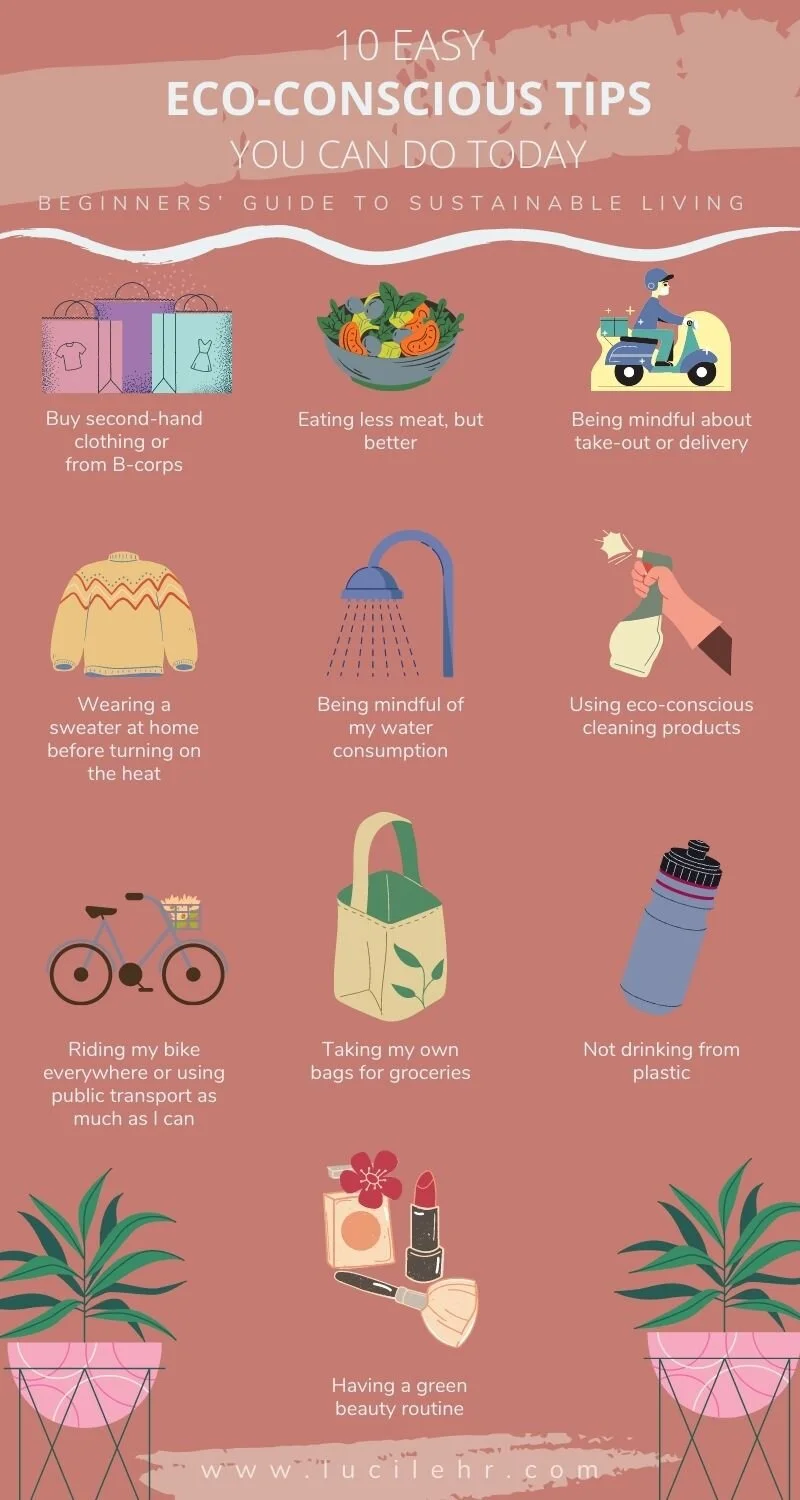
- Reusable Shopping Bags: Always carry a set of reusable bags for groceries and other shopping trips. Keep them in your car, by your door, or folded in your purse or backpack.
- Water Bottles and Coffee Cups: Invest in a durable, reusable water bottle and a travel coffee mug. This drastically cuts down on disposable plastic bottles and paper cups, which are significant contributors to waste. You'll also often find cafes offer discounts for bringing your own cup.
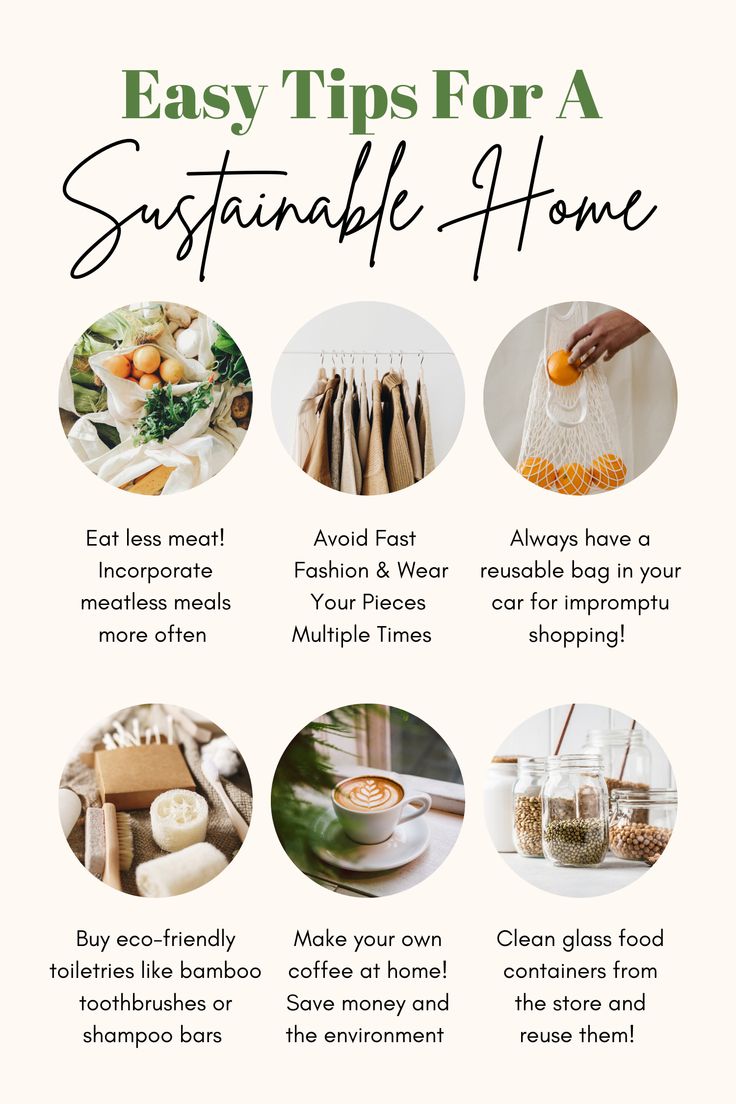
- Food Storage Containers: Replace plastic wrap and single-use bags with reusable glass or stainless steel containers for leftovers and packed lunches. Beeswax wraps are also a fantastic eco-friendly alternative.
- Cloth Napkins and Towels: Switch from paper napkins and paper towels to cloth versions. They are washable, durable, and can be used countless times, saving trees and reducing landfill waste.
Mindful Consumption: Rethinking Your Purchases
The concept of "power over purchase" is about making conscious decisions about what you buy and why. Large corporations often encourage overconsumption, but shifting your mindset can lead to a more ethical and environmentally sound lifestyle [1].
- The 5 R's of Waste Reduction: Adopt the principle of Refuse, Reduce, Reuse/Repair, Rot, and Recycle in that order [3]. Prioritize refusing unnecessary items, reducing what you consume, reusing and repairing what you have, composting organic waste, and finally, recycling what remains.
- Buy Secondhand: Thrift [5].
- Choose Durability and Repairability: When buying new, opt for items made from high-quality, sustainable materials that are built to last. Prioritize products that can be easily repaired, extending their lifespan and preventing them from quickly becoming waste.
- Support Sustainable Brands: Research and support companies committed to ethical sourcing, fair labor practices, and environmentally friendly production methods.
Kitchen Hacks for a Greener Lifestyle
Your kitchen is a hub for daily activities, making it an ideal place to implement eco-friendly habits. Many of these changes are low-cost and can even save you money.
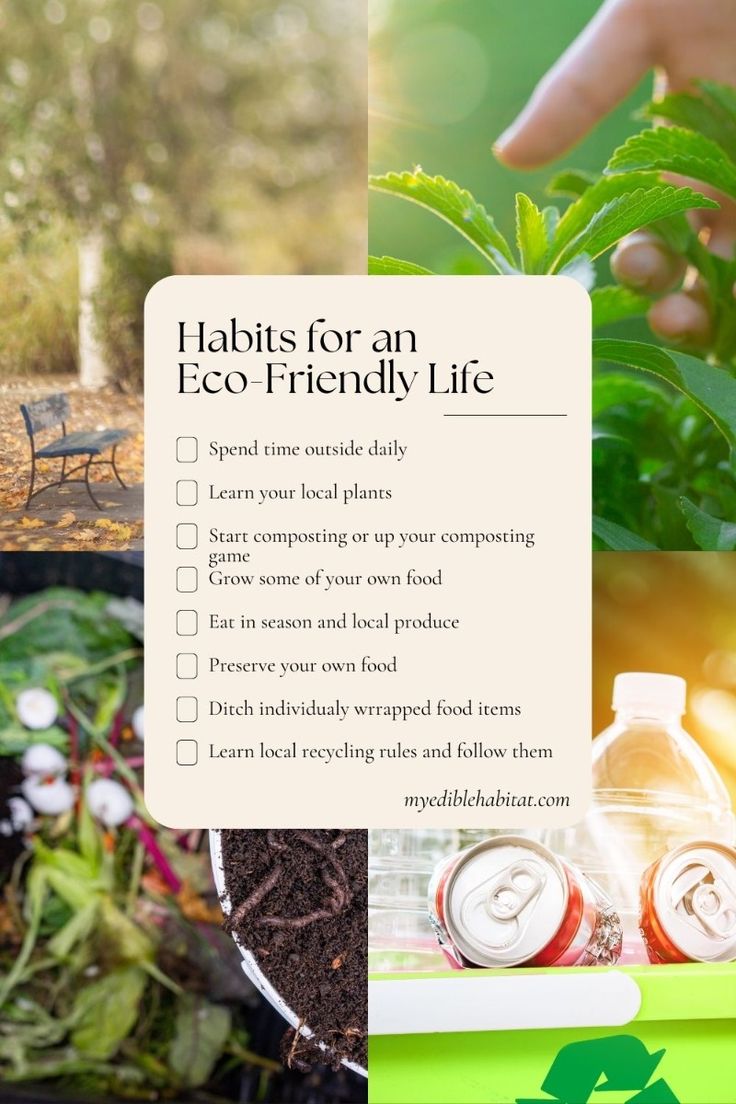
- Meal Planning and Food Waste Reduction: Plan your meals for the week to avoid impulse buys and ensure you use ingredients efficiently. Proper food storage, like using airtight containers, can extend the life of produce and prevent spoilage [6]. Composting food scraps diverts waste from landfills and creates nutrient-rich soil for gardens.
- Conscious Food Choices: Reducing meat and dairy consumption can significantly lower your carbon footprint, as the food industry is a major contributor to global emissions [6]. Explore more plant-based meals and opt for locally grown, seasonal produce to reduce transportation emissions.
- DIY Cleaning Products: Many common household cleaners can be made using simple, natural ingredients like vinegar, baking soda, and lemon. This reduces exposure to harsh chemicals and cuts down on plastic packaging [8].
- Water Conservation: Fix leaky faucets immediately and consider installing low-flow showerheads and faucet aerators. Collecting rainwater for watering plants is another simple yet effective method [6].
Energy Efficiency at Home: Small Changes, Big Impact
Reducing your home's energy consumption is beneficial for both your wallet and the planet, cutting down on utility bills and greenhouse gas emissions [4].
- Switch to LED Bulbs: Energy-efficient LED bulbs use up to 75% less energy than traditional incandescent bulbs and last significantly longer, reducing waste [4]. They are an excellent, cost-effective upgrade for any home.
- Unplug Devices and Combat Phantom Power: Electronics left plugged in still draw electricity, known as phantom power, which can account for up to 10% of your energy bill [4, 5]. Make a habit of unplugging devices like chargers, TVs, and computers when not in use, or use smart power strips to easily switch them off.
- Smart Thermostat Usage: Programmable or smart thermostats allow you to automatically adjust your home's temperature, saving energy when you're asleep or away [4, 5]. Even small adjustments can lead to significant savings.
- Air Dryer Alternatives: Instead of using an electric dryer, hang clothes to dry on a clothesline or drying rack [5]. This saves energy, reduces wear and tear on fabrics, and can extend the life of your garments.
Expanding Your Eco-Conscious Journey
Once you've established a solid foundation with beginner-friendly habits, you can explore further steps to deepen your commitment to sustainable living.
Sustainable Transportation Choices
How you get around has a significant impact on your environmental footprint [4]. Consider these alternatives to traditional solo driving:
- Public Transportation: Utilize buses, trains, and subways whenever possible. This reduces the number of cars on the road and lowers collective emissions.
- Biking and Walking: For shorter distances, biking or walking are excellent, zero-emission options that also provide health benefits.
- Carpooling: Share rides with colleagues, friends, or neighbors to reduce the number of vehicles on the road.
- Electric Vehicles (EVs): While a larger investment, EVs are becoming more accessible and offer a significantly lower environmental impact over their lifespan compared to gasoline-powered cars. Consider the used market for more affordable options [5].
Reducing Single-Use Plastics: A Top Priority
Single-use plastics are a major environmental pollutant, contributing to landfill waste and ocean pollution [3].
- Beyond Bags: While reusable shopping bags are essential, also consider reusable produce bags, straws, cutlery, and containers for take-out food.
- Check Product Packaging: Opt for products with minimal or recyclable packaging whenever possible. Choose items sold in bulk to reduce individual packaging waste.
- DIY Personal Care: Consider making your own toiletries like deodorant or toothpaste to avoid plastic containers and reduce exposure to chemicals [8].
Composting: Give Back to the Earth
Composting is a cornerstone of waste management for an eco-friendly lifestyle [3]. It transforms organic waste, such as food scraps and yard trimmings, into a valuable soil amendment.
- Benefits of Composting: Reduces landfill waste, minimizes methane emissions (a potent greenhouse gas), and enriches soil health, leading to healthier plants and gardens.
- Getting Started: You can start with a small backyard compost bin, a worm farm (vermicomposting), or even participate in local community composting programs if available.
Sustainable Fashion: Dress with Purpose
The fashion industry has a significant environmental impact, from water usage to textile waste. Embracing sustainable fashion is a powerful way to reduce this footprint.
- Buy Less, Choose Well: Invest in high-quality, timeless pieces that you'll wear for years rather than chasing fast fashion trends.
- Secondhand and Vintage: As mentioned, thrift stores and vintage shops offer unique and sustainable alternatives to buying new.
- Repair and Upcycle: Learn basic sewing skills to mend clothes or upcycle old garments into new items.
- Eco-Friendly Materials: When buying new, opt for clothing made from organic cotton, linen, hemp, or recycled materials.
Frequently Asked Questions (FAQ) about Simple Eco-Friendly Living
Q1: Is it expensive to live an eco-friendly lifestyle?
A1: Not necessarily! While some sustainable products might have a higher upfront cost, many eco-friendly practices save you money in the long run. Reusables, energy efficiency, reducing waste, and buying secondhand can significantly lower your expenses [5, 11]. Focus on habits that reduce consumption and utilize free resources like recycling programs or community exchanges [5, 8].
Q2: I live in an apartment, so how can I practice eco-friendly living?
A2: Apartment dwellers can implement many impactful eco-friendly practices! Focus on reducing waste, opting for reusables, conserving energy (unplugging devices, using LED bulbs), water conservation (shorter showers, reporting leaks), and making sustainable food choices. You can also participate in local recycling and composting programs and choose public transportation or biking when possible [13].
Q3: What is the fastest way to reduce my environmental impact?
A3: Some of the most impactful and quickest ways to reduce your environmental impact include reducing meat and dairy consumption, eliminating single-use plastics, and minimizing transportation emissions by choosing walking, biking, or public transport. Embracing the 5 R's (Refuse, Reduce, Reuse, Rot, Recycle) – especially refusing and reducing – offers immediate benefits [3, 6].
Q4: How can I get my family or housemates on board with eco-friendly living?
A4: Start by leading by example and explaining the benefits clearly and positively, focusing on shared values like saving money or improving health. Involve them in the process by making it fun, like turning meal planning into a game or going on "thrifting adventures." Educate them about the “why” behind certain changes, and celebrate small victories together. Compromise and open communication are key to creating a shared sustainable household [8].
Q5: What does "zero waste" really mean for beginners?
A5: For beginners, zero waste doesn't mean achieving no trash overnight. It's about making practical, mindful choices that cut down on waste over time [3]. It's a journey focused on reducing what you send to landfill. Start by conducting a simple waste audit to identify where you create the most trash's about making smart, sustainable choices that benefit both you and the planet. The journey begins with small, manageable steps, building momentum and confidence as you go. From embracing reusable items and mindful consumption to improving energy efficiency at home and making conscious food choices, every action contributes to a larger, positive impact.
The research consistently shows that these simple eco-friendly lifestyle tips are not only achievable but also lead to healthier lives and significant cost savings [11]. By understanding the core principles of sustainability and integrating these practical habits into your daily routine, you become an active participant in creating a healthier, more resilient planet for future generations. Remember, progress is the goal, and your commitment to sustainable living makes a real difference. Start today, explore these beginner-friendly tips, and pave your way to a greener, more fulfilling life.
References
- Thirty Eco — Thirty Eco-Friendly Tips for the Beginner, 2024
- Earthava — The Complete Beginner's Guide to Sustainable Living: Essential Steps for Eco-Friendly Practices, 2025
- The Ultimate Guide to Zero — The Ultimate Guide to Zero-Waste Living: A Practical Path to Sustainability, 2026
- 44 Sustainable Living Tips For an Eco — 44 Sustainable Living Tips For an Eco-Friendly Lifestyle
- Heart Home Magazine — Sustainable Living Tips for Beginners: Easy Ways to Go Eco-Friendly, 2025
- Everyday Next — Sustainable Living Made Easy: 5 Eco-Friendly Habits for 2025
- Sustainable Tiny Living — Simple Living Challenges for Beginners: Easy Sustainable Lifestyle Changes for Eco-Conscious Millennials
- Clean Sustainable Living — Simple Sustainable Living Tips for Beginners: Your Step-by-Step Guide to an Eco-Friendly Lifestyle, 2026
- Crafted Idea — Beginner’s Guide to Sustainable Living, 2025
- Beginners’ Guide to Sustainable Living — 10 Easy Eco-Conscious Tips You Can Do Today
- 25 Eco-Friendly Living Tips 2026 — Save Money & Planet
- Your Complete Zero Waste Lifestyle Guide — Live Waste-Free in 2026
- Easy Eco-Friendly Lifestyle Changes That Work in 2026