Shinrin Yoku Benefits
In an era defined by rapid technological acceleration, constant digital connectivity, and the persistent hum of urban life, humanity is finding itself increasingly disconnected from its roots. As we navigate 2026, the global search for authentic well-being has led to a massive resurgence in an ancient Japanese practice: Shinrin-yoku, or forest bathing. Far from being a fleeting wellness fad, this intentional immersion in nature has solidified its place as a cornerstone of preventive medicine and mental health intervention.
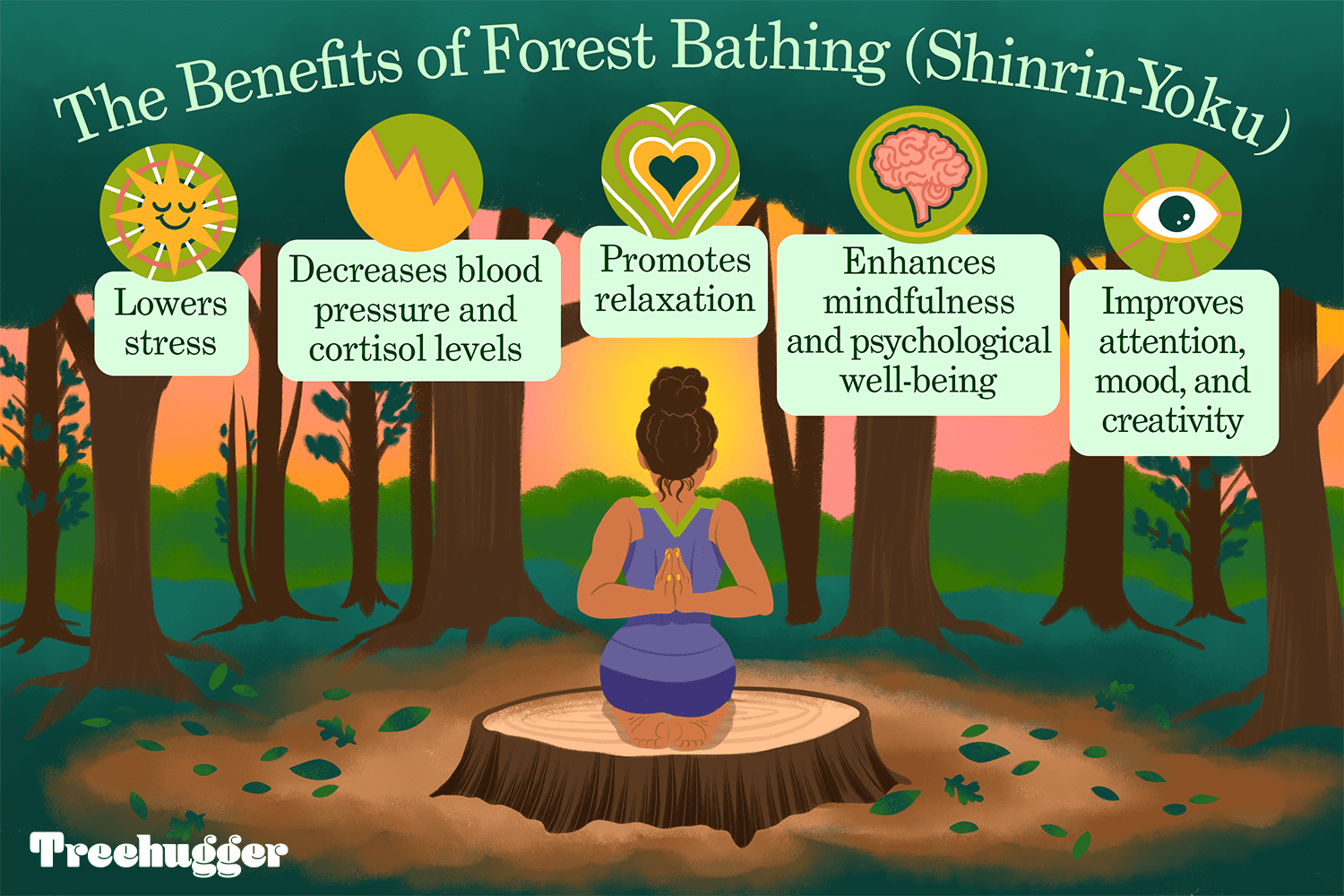
What Exactly is Shinrin-yoku?
The term Shinrin-yoku translates literally to "forest bathing." Coined in 1982 by Tomohide Akiyama, the then-director of the Japanese Forestry Agency, the practice emerged as a public health response to the rising tide of urban burnout and technology dependence. It is important to clarify what this practice is not: it is not hiking, it is not a strenuous workout, and it is certainly not a competitive sport.
At its core, forest bathing is the deliberate, slow-paced act of being present in a wooded environment. It involves engaging all five senses to absorb the atmosphere of the forest. Whether you are walking slowly, sitting on a mossy log, or simply breathing in the clean, oxygenated air, the objective is presence rather than distance.
The Science Behind the Forest: Why It Works
While the intuition that nature heals is ancient, modern science has spent the last several decades quantifying exactly how and why Shinrin-yoku benefits the human body. As we move through 2026, the research has become clearer and more compelling than ever.
The Power of Phytoncides
One of the most fascinating discoveries in the field of forest medicine is the role of phytoncides. These are volatile organic compounds—essentially the "essential oils" of the forest—that trees and plants release into the air to protect themselves from insects and decay.
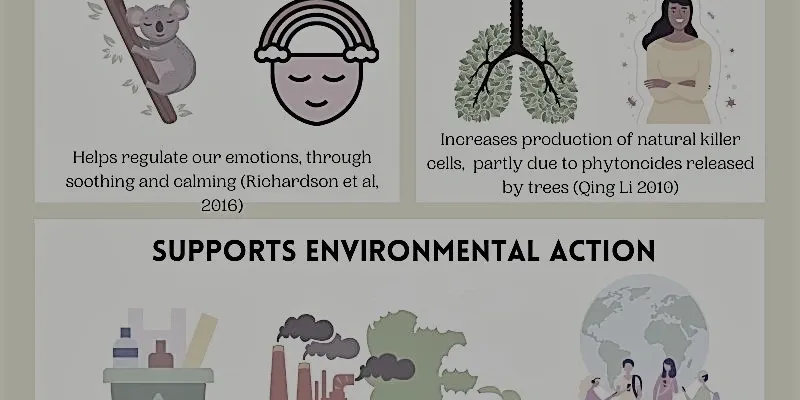
When humans inhale these compounds, our bodies respond in measurable ways. Research indicates that phytoncide exposure triggers a significant increase in the activity of natural killer cells (NK cells). These immune cells are the body's frontline defenders, responsible for detecting and destroying infected or abnormal cells. Studies show that a single forest bathing trip can boost NK cell activity for more than seven days, with some effects persisting for up to 30 days.
Regulating the Autonomic Nervous System
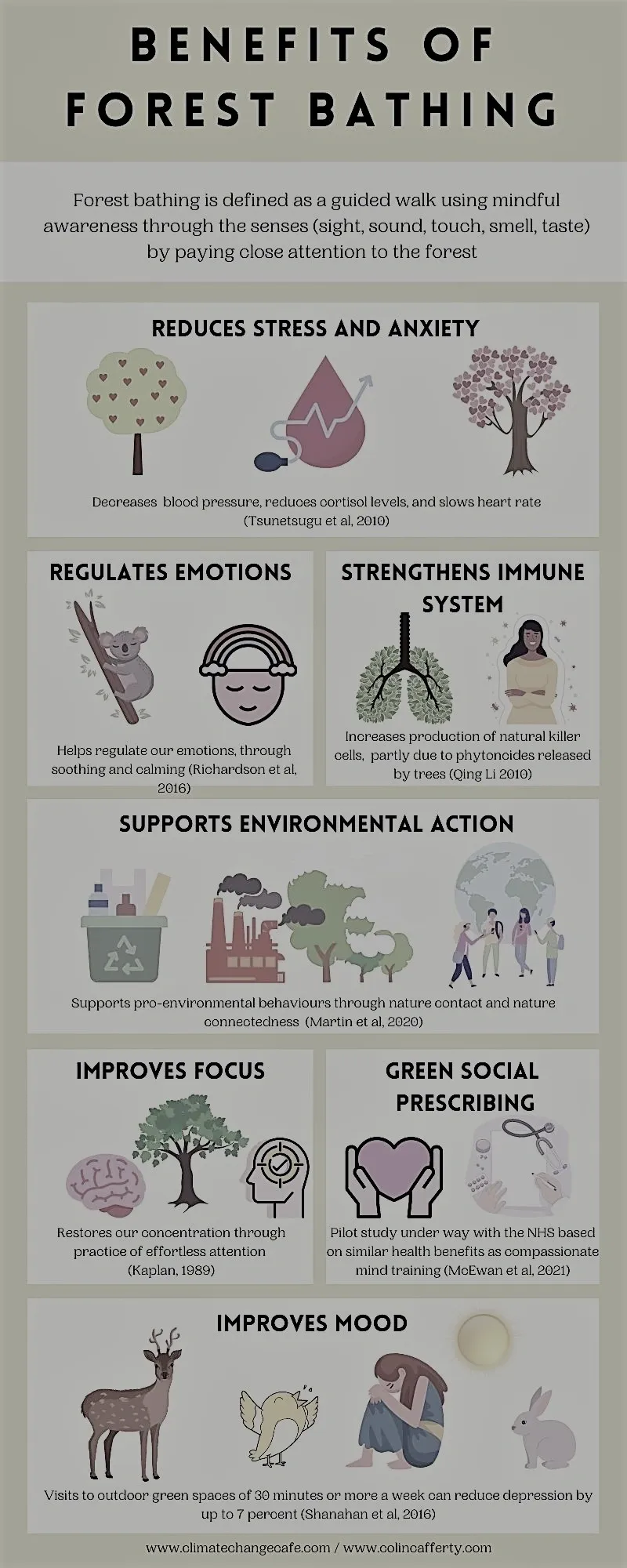
In our high-stress modern society, many of us live in a state of chronic "fight or flight" activation. Forest bathing acts as a biological "reset button." Research has demonstrated that spending time in a forest setting shifts the autonomic nervous system toward parasympathetic dominance—often called the "rest and digest" system.
In a comprehensive review of field experiments, approximately 80% of participants showed increased parasympathetic activity while in a forest environment compared to those in urban settings. This shift is associated with:
- Lowered heart rate
- Reduced blood pressure
- Decreased cortisol levels (the primary stress hormone)
Cardiovascular and Immune System Advantages
The cardiovascular benefits of forest therapy are no longer anecdotal; they are backed by rigorous data. A meta-analysis of 24 distinct studies, involving over 2,200 participants, found that forest therapy reduced systolic blood pressure by an average of 3.44 mmHg and diastolic blood pressure by 3.07 mmHg compared to urban environments.
This regulation of cardiovascular activity suggests that the forest environment places less strain on the heart, providing a protective effect against the long-term impacts of hypertension. When combined with the immune-boosting properties of phytoncides, the cumulative physical health benefits of Shinrin-yoku are profound.
Mental Health and Psychological Resilience
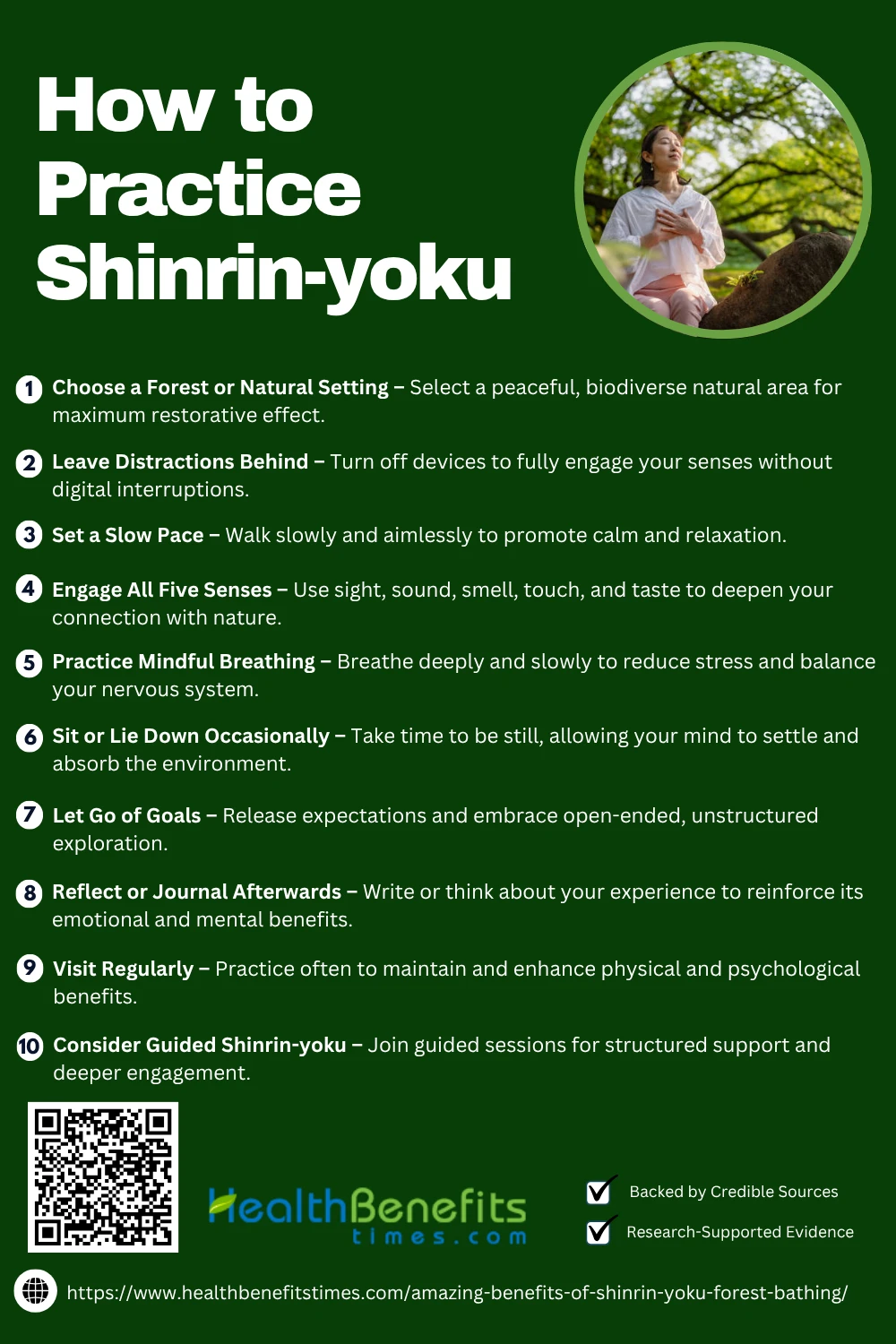
Beyond the physiological markers, the mental health outcomes of Shinrin-yoku are a primary driver of its 2026 popularity. As urban lifestyles continue to isolate individuals from the natural world, the practice of forest bathing serves as a powerful, evidence-based intervention for:
- Anxiety Reduction: The quiet, sensory-rich environment helps quiet the "noise" of modern life.
- Depressive Symptom Management: Regular immersion is linked to lower levels of depressive symptoms and improved overall mood.
- Enhanced Focus: By removing the constant demand for "directed attention" (the kind used for screens and tasks), the forest allows the brain to enter a state of restorative restoration.
Why 2026 is the Year of the Forest
The global interest in forest bathing has never been higher than it is right now. As we navigate the mid-2020s, health practitioners in countries like Canada, Finland, and the United States are increasingly integrating nature-based prescriptions into their treatment plans. The World Health Organization has formally recognized the vital role of green spaces in maintaining mental well-being, providing a global mandate for the expansion of urban forest initiatives.
Whether you are seeking relief from chronic stress, a boost for your immune system, or simply a way to reconnect with the natural rhythms of life, Shinrin-yoku offers an accessible, zero-cost solution. You do not need to be in the deep wilderness to experience these effects; a botanical garden, an arboretum, or a heavily treed city park can serve as a highly effective substitute when a forest is not immediately accessible. The key remains the same: slow down, breathe, and notice.
The Neurobiological Impact of Nature Immersion
The cognitive architecture of the modern human is currently under siege by what psychologists call "attention fatigue." In our digitally saturated 2026 landscape, the constant demand for rapid-fire decision-making, notification management, and screen-based stimulus has significantly degraded our capacity for deep, sustained focus. Shinrin-yoku offers a neurobiological corrective to this exhaustion.
When you step into a forest, the brain shifts from "directed attention"—which is effortful and prone to burnout—to "soft fascination." This is the involuntary, low-stakes engagement with natural patterns like the sway of leaves, the movement of light through a canopy, or the fractal patterns of tree branches.
Restoring Cognitive Function
Research into the neurological effects of forest environments reveals that nature immersion acts as a restorative agent for the prefrontal cortex. By allowing this area of the brain to "rest" from the demands of urban noise, we see marked improvements in executive function.
- Improved Problem-Solving: By entering a state of soft fascination, the brain can disengage from the ruminative loops that often lead to decision fatigue.
- Enhanced Creativity: Studies have indicated that prolonged exposure to natural settings facilitates "divergent thinking," the ability to generate creative solutions to complex problems by loosening rigid cognitive constraints.
- Reduced Mental Clutter: The sensory simplicity of the forest allows for the clearance of "cognitive load," enabling a state of mental clarity that is difficult to achieve in an office or home environment.
The "Green Prescription" Movement: A 2026 Reality
In a significant shift for public health policy, the "green prescription" has moved from the fringes of alternative medicine into the mainstream medical establishment. As of 2026, healthcare providers in several nations are formally integrating Shinrin-yoku into their treatment protocols for patients suffering from burnout, hypertension, and mild anxiety. This trend reflects a growing consensus that the traditional pharmaceutical-only approach to chronic stress is insufficient for long-term health.
Why Doctors Are Prescribing the Forest
The rationale behind this shift is rooted in the cost-effectiveness and accessibility of nature-based interventions. Unlike most health treatments, forest bathing carries zero risk of adverse side effects and requires no specialized equipment or financial investment.
- Preventive Cardiology: Physicians are utilizing forest bathing as a primary prevention tool to help patients lower their baseline blood pressure without immediate reliance on beta-blockers or ACE inhibitors.
- Immune System Support: By educating patients on the immune-boosting capacity of phytoncides (Source 4), doctors are helping individuals build resilience against seasonal respiratory illnesses.
- Psychological Triage: For patients presenting with early signs of professional burnout or "tech-neck" related stress, a prescription for a 30-minute forest session is increasingly viewed as a vital component of the recovery plan.
The Role of Sensory Engagement
A common misconception about Shinrin-yoku is that it is merely about "walking in the woods." In reality, the efficacy of the practice is heavily dependent on the quality of sensory engagement. To truly reap the benefits, one must transition from a passive observer to an active, mindful participant in the ecosystem.
Activating the Five Senses
The goal is to move the nervous system away from the "executive" mode of the brain and into the "sensory" mode. By focusing on the following, you can deepen your practice:
- Olfactory Engagement: Breathe deeply to inhale the volatile organic compounds (phytoncides) emitted by the trees. These aromatic molecules are the primary drivers of the immune-boosting response (Source 4).
- Auditory Immersion: Listen to the layering of natural sounds—the rustle of wind, the distant call of birds, or the crunch of leaves underfoot. This "natural soundscape" has been shown to reduce heart rate variability (Source 3).
- Visual Softness: Rather than focusing on specific objects, practice a "soft gaze." Allow your eyes to scan the canopy and the forest floor without locking onto any one point, which helps to relax the ocular muscles and the corresponding neural pathways.
- Tactile Connection: If appropriate, touch the bark of a tree, the texture of moss, or the coolness of a stone. This grounding technique helps anchor the mind in the present moment, effectively breaking the cycle of anxious, future-oriented thoughts.
Urban Integration: Bringing the Forest to the City
While deep, old-growth forests offer the most potent concentration of phytoncides, the principles of Shinrin-yoku can be adapted to urban environments. As urban planners in 2026 prioritize the development of "green corridors," the opportunity to engage in this practice without leaving the city has expanded significantly.
Designing Your Own Forest Bathing Space
If you cannot access a deep forest, you can create a "forest-like" experience by choosing environments that mimic the structural complexity of a woodland. Research suggests that any environment with high canopy cover and natural sounds can trigger the parasympathetic nervous system (Source 4).
- Botanical Gardens: These spaces are often designed with high biodiversity, providing a dense, rich environment that is ideal for sensory engagement.
- Arboretums: Because these sites are specifically curated for trees, they offer a high concentration of phytoncide-emitting species, often making them superior to standard city parks.
- Heavily Treed Parks: Even a smaller urban park can serve as a "micro-forest" if you can find a spot where the noise of traffic is muffled by the foliage. The key is to find a "sensory pocket" where you can minimize distractions.
The Long-Term Health Trajectory of Regular Practice
One of the most compelling aspects of Shinrin-yoku is the durability of its effects. Unlike the temporary relief found in other recreational activities, the physiological changes induced by forest bathing appear to have a cumulative impact on health. As we look at the longitudinal data emerging in 2026, it is clear that consistency is the most important factor for long-term well-being.
Building a Sustainable Practice
To maximize the health benefits, practitioners are encouraged to view forest bathing as a "wellness hygiene" habit—similar to brushing one's teeth or exercising—rather than a rare vacation activity.
- The Monthly Protocol: Evidence suggests that even a single day-trip to a forest can sustain elevated natural killer cell activity for up to 30 days (Source 4).
- The Weekly Rhythm: For those dealing with chronic stress, a weekly 20-minute session is often sufficient to keep cortisol levels within a healthy range and maintain parasympathetic dominance.
- The Daily Ritual: For urban dwellers, even 10 minutes of mindful observation in a garden or park can serve as a "stress buffer," preventing the accumulation of daily tension that often leads to burnout.
The Bio-Chemical Synergy of Forest Air
The air in a forest is not merely "clean"; it is a complex, active chemical environment. When you inhale the atmosphere of a forest, you are breathing in a cocktail of terpenes and phytoncides that have been released by the surrounding flora. This is not just a pleasant sensation; it is a measurable, physiological intervention.
Understanding the Chemistry of Calm
The primary compounds responsible for these benefits are known as terpenes—the same compounds found in essential oils. Research into these volatile organic compounds shows that they don't just affect our immune system; they also have a direct impact on our neurochemistry.
- Limonene and Pinene: These are common terpenes found in coniferous trees. Studies have linked them to reduced feelings of anxiety and a decrease in the production of stress-related hormones (Source 3).
- Alpha-Pinene: This specific compound has been shown to have anti-inflammatory properties, which may contribute to the overall cardiovascular benefits observed in regular forest bathers (Source 4).
- Phytoncide Synergy: The unique combination of these compounds in an old-growth forest creates a synergistic effect that is significantly more potent than any single compound in isolation, underscoring the importance of visiting diverse, healthy forest ecosystems (Source 4).
Shinrin-Yoku and the Future of Preventative Medicine
As we look toward the latter half of the 2020s, the integration of Shinrin-yoku into public health policy seems inevitable. The evidence is simply too vast to ignore. With the rising costs of healthcare and the increasing burden of chronic, lifestyle-related diseases, the focus of medicine is shifting from reactive treatment to proactive, nature-based prevention.
The Economic Case for Nature
Beyond the personal health benefits, the widespread adoption of forest bathing carries significant economic implications. By reducing the reliance on pharmacological interventions and lowering the incidence of stress-related ailments, society stands to gain from a more resilient and productive population.
- Reduced Healthcare Utilization: Lower blood pressure and improved immune function correlate directly with fewer visits to the doctor and lower expenditure on chronic disease management (Source 4).
- Increased Workplace Productivity: Employees who incorporate nature-based breaks into their routines exhibit higher levels of focus, creativity, and emotional stability, leading to better workplace outcomes (Source 3).
- Public Health Savings: By investing in urban green spaces, municipalities can lower the collective stress levels of their citizens, effectively creating a "preventive health infrastructure" that pays dividends for years to come (Source 1).
Navigating the Barriers to Entry
Despite the clear benefits, many individuals find it challenging to incorporate Shinrin-yoku into their lives. Whether it is a lack of nearby forest, a busy schedule, or a misunderstanding of what the practice entails, these barriers are real. However, the movement in 2026 is focused on demystifying the practice and making it accessible to everyone, regardless of their location or physical ability.
Overcoming Common Challenges
The beauty of forest bathing is its inherent flexibility. You do not need to be an expert, nor do you need to spend hours in the woods to see results.
- "I don't have time": If you cannot spare an hour, start with 15 minutes. Even a short, intentional walk in a local park during your lunch break can provide a measurable boost to your mood and focus (Source 4).
- "I live in a concrete jungle": Look for "hidden" nature. Community gardens, rooftop gardens, or even a quiet tree-lined street can offer enough of a natural stimulus to trigger a parasympathetic response.
- "I get bored": This is often a sign that you are still in a "doing" mindset. Try focusing on a single sense—like sound or smell—to keep your mind anchored. Once you stop looking for "something to do," the forest will provide the engagement you need.
The Evolution of Forest Medicine Research
As we move deeper into 2026, the scientific community is shifting its focus from "if" forest bathing works to "how" it can be optimized for specific populations. The next generation of research is exploring the nuances of different forest types, the impact of varying durations, and how genetic predispositions might influence an individual's response to nature.
The Next Frontier: Precision Nature Therapy
Researchers are beginning to look at whether certain types of forests (e.g., coniferous vs. deciduous) provide different physiological benefits. This "precision nature therapy" could eventually allow doctors to prescribe specific types of natural environments based on a patient's unique health profile.
- Forest Diversity: Preliminary data suggests that forests with higher plant diversity may have a more profound effect on the immune system, likely due to a wider spectrum of phytoncides (Source 4).
- Optimal Duration: While a 2-hour session is considered the "gold standard," ongoing research is determining the minimum effective dose for various conditions, which will help in creating more tailored public health guidelines.
- Age-Specific Benefits: Researchers are studying how forest bathing impacts different age groups, with early results suggesting it is particularly effective for adolescents dealing with academic pressure and the elderly seeking to maintain cognitive vitality (Source 2).
Cultivating a Mindful Relationship with the Earth
Ultimately, Shinrin-yoku is more than just a health intervention; it is a practice of reciprocity. By spending time in the forest, we not only heal our bodies and minds, but we also develop a deeper appreciation for the ecosystems that sustain us. In 2026, this sense of connection is more vital than ever, as global efforts to combat climate change and biodiversity loss gain momentum.
The Environmental Connection
When you realize that your health is inextricably linked to the health of the forest, your relationship with the environment changes. This "ecological empathy" is a natural byproduct of regular forest bathing.
- Stewardship: People who spend time in nature are more likely to support conservation efforts and adopt sustainable lifestyle choices (Source 1).
- Awareness: By slowing down and observing the natural world, you become more attuned to the seasonal shifts and the delicate balance of the ecosystem, fostering a sense of responsibility for its protection.
- Interconnectedness: This practice helps break the illusion of separation between human and nature, reminding us that we are part of a larger, living system that requires our care just as much as we require its healing presence.
Practical Steps to Begin Your Shinrin-yoku Journey
If you are ready to start your journey into forest bathing, remember that the most important step is simply showing up. You don't need a map or a guide—you just need a willingness to step away from the noise and into the quiet of the trees.
Your First Session: A Simple Guide
To ensure you get the most out of your first experience, follow this simple, non-prescriptive approach:
- Leave the Tech Behind: Put your phone on silent or, better yet, leave it in the car. The goal is to disconnect from the digital world so you can connect with the natural one.
- Set an Intention: Before you enter the forest, take a moment to state why you are there—whether it is to reduce stress, gain clarity, or simply to enjoy the peace.
- Find Your Pace: Walk at a speed that feels natural, not forced. If you feel like stopping, stop. If you feel like sitting, sit. There is no destination.
- Engage Your Senses: Periodically check in with your five senses. What do you smell? What sounds are layered in the air? What textures can you see?
- Reflect: After your session, take a moment to notice how your body feels. Are your shoulders less tense? Is your breathing deeper? Acknowledging these changes helps solidify the habit.
The Global Spread of Nature-Based Wellness
The influence of Shinrin-yoku has truly become a global phenomenon. From the "Forest Schools" in Scandinavia to the nature-based mental health programs in the Pacific Northwest, the philosophy of forest bathing is being adapted to fit diverse cultural and environmental contexts. This cross-pollination of ideas is enriching the practice and making it more accessible to people of all backgrounds.
Cultural Adaptations
While the core principles remain rooted in the Japanese tradition, different regions are finding unique ways to implement these practices:
- The European Model: In countries like Germany and Switzerland, forest bathing is often combined with traditional hiking culture, with a focus on "slow trekking" to allow for both physical activity and meditative presence.
- The North American Approach: Many U.S. programs focus heavily on the therapeutic aspect, often incorporating guided sessions led by certified forest therapy guides who help participants navigate the transition from a busy mind to a calm one.
- The Nordic Perspective: In nations like Finland, the focus is on the "everyman's right" to access nature, emphasizing the integration of nature into the daily work-life balance of the population.
The Intersection of Shinrin-yoku and Modern Technology
It might seem ironic, but in 2026, technology is also being used to support the practice of Shinrin-yoku. While the core of the practice is about disconnecting, apps and wearable devices are helping people track their progress and find the best locations for their sessions.
Using Tech to Enhance Presence
When used intentionally, technology can be a tool to help you find your "natural rhythm" rather than a distraction.
- Nature Mapping Apps: New tools help users locate the "greenest" spots in their city, identifying areas with the highest canopy cover and the lowest levels of noise pollution.
- Biometric Tracking: Wearables can provide real-time feedback on how your heart rate and stress levels respond to a forest session, offering tangible proof of the benefits you are feeling.
- Guided Meditations: Some practitioners use nature-based guided audio to help them transition into a meditative state, though this should be used sparingly to ensure it doesn't replace the experience of the forest itself.
Addressing the Myths of Forest Bathing
As with any popular wellness trend, there is a fair amount of misinformation circulating about Shinrin-yoku. It is important to clear up these misconceptions to ensure that everyone can experience the true benefits of the practice without unrealistic expectations.
Fact vs. Fiction
- Myth: It’s just for people in good shape. Fact: Forest bathing is for everyone. Because it is not a high-intensity activity, it is accessible to people of all fitness levels and ages.
- Myth: You need to hike for miles. Fact: The opposite is true. The more ground you cover, the less time you have to actually "bathe" in the atmosphere. It is the depth of the experience, not the distance, that matters.
- Myth: It’s a spiritual or religious practice. Fact: While it can be a deeply personal experience, Shinrin-yoku is a secular, science-based health intervention. You do not need to hold any specific beliefs to experience the physiological benefits.
- Myth: You need a pristine, untouched wilderness. Fact: While deep wilderness is wonderful, the benefits of forest bathing are accessible in any environment with enough trees and natural elements to provide a "sensory bath."
The Psychological Mechanism of "Attention Restoration"
The theory of Attention Restoration is a cornerstone of why forest bathing is so effective for mental health. In a world where our focus is constantly being pulled in different directions, our capacity for "directed attention" becomes depleted, leading to irritability, anxiety, and a sense of overwhelm.
How the Forest Recharges You
Directed attention is the effortful focus we use for tasks like writing emails, navigating traffic, or managing complex projects. It requires constant inhibition of distractions, which is mentally taxing.
- The Drain: Constant use of directed attention leads to cognitive fatigue, which is characterized by an inability to focus, increased errors, and emotional reactivity.
- The Recharge: Nature provides a rich, complex environment that captures our attention effortlessly—this is "soft fascination." This allows the mechanisms responsible for directed attention to rest and recover.
- The Result: After a period of soft fascination, we return to our tasks with a renewed capacity for focus, patience, and creative problem-solving. This is why a short break in a park can be more restorative than sitting in a breakroom looking at a phone screen.
The Role of Biodiversity in Health Outcomes
As we continue to research the benefits of Shinrin-yoku, one thing is becoming clear: not all forests are created equal. The level of biodiversity in an ecosystem plays a significant role in the health benefits it provides, a concept that is becoming central to the design of urban green spaces.
Why Biodiversity Matters
The chemical complexity of a forest—its "scent profile," if you will—is a direct result of the variety of plant and tree species present. A monoculture, such as a plantation of a single type of pine, will have a limited range of phytoncides compared to a diverse, multi-layered forest.
- Chemical Diversity: A wider range of plant species means a wider range of terpenes and phytoncides, which may provide a more comprehensive immune-boosting effect (Source 4).
- Structural Complexity: Different heights and densities of vegetation create a more varied soundscape and a more engaging visual environment, which is better for "soft fascination."
- Resilience: Biodiverse environments are more resilient to disease and climate change, ensuring that these spaces remain available for future generations to enjoy.
The Future of Forest Cities
Looking toward the remainder of the 2020s, the "biophilic design" movement is poised to change the way we build our urban centers. The goal is to create cities that function like ecosystems, where the boundary between the built and natural environments is intentionally blurred.
Designing for Well-being
Urban planners are increasingly incorporating Shinrin-yoku principles into the design of public spaces, ensuring that every citizen has access to a "restorative zone" within a short distance of their home or workplace.
- Green Corridors: These are pathways lined with diverse tree species that connect urban parks, allowing for a continuous, nature-rich experience even in the heart of the city.
- Vertical Forests: In densely populated areas, architects are incorporating large-scale planting into building facades, bringing the forest directly to the people.
- Acoustic Buffer Zones: By designing parks with dense foliage barriers, planners are creating "quiet zones" that allow for a true sensory immersion, even when the park is located near major thoroughfares.
Integrating Shinrin-yoku into Family Life
One of the most promising developments in 2026 is the growing popularity of family-oriented forest bathing. By introducing children to the practice at a young age, we are helping them develop the tools they need to manage stress and stay connected to the natural world as they grow into adulthood.
Teaching the Next Generation
Forest bathing with children is less about "quiet meditation" and more about "curious observation." It is a wonderful way to foster a love for nature and build emotional intelligence.
- The Scavenger Hunt: Use nature-based prompts to help children engage with their senses. "Find three different textures," or "Tell me what you hear."
- The Slow Walk: Encourage children to walk at the pace of the slowest creature in the woods—the slug or the snail. This naturally slows them down and encourages observation.
- The Listening Game: Sit quietly for two minutes and see who can identify the most distinct sounds. This is a powerful way to teach mindfulness and focus.
The Connection Between Shinrin-yoku and Sleep Health
As sleep disorders continue to rise in 2026, many are turning to nature-based interventions to improve their rest. The calming effect of forest bathing on the autonomic nervous system makes it an ideal practice for those struggling with insomnia or poor sleep quality.
Restoring the Circadian Rhythm
The combination of natural light exposure, physical movement, and the parasympathetic-inducing effects of phytoncides can have a profound impact on sleep hygiene.
- Stress Reduction: By lowering cortisol levels before bed, forest bathing helps the body transition more easily into a restful state.
- Light Exposure: Spending time in nature during the day helps regulate the circadian rhythm, ensuring that you feel more alert during the day and sleepier at night.
- The "Nature Reset": For those who struggle with "racing thoughts" at night, the practice of focusing on sensory experiences during the day can help build the skills needed to quiet the mind before sleep.
The Lasting Impact of 2026's Nature Renaissance
The resurgence of Shinrin-yoku is not just a trend; it is a fundamental shift in how we perceive our relationship with the world. As we move past the mid-2020s, the practice of forest bathing stands as a testament to our enduring need for nature and our capacity to find balance in an increasingly technological world.
A Path Forward
Whether you are a seasoned practitioner or just beginning your journey, the forest is always there, waiting to offer its silent, steadying influence. By making the intentional choice to step into the trees, you are not just taking a walk; you are reclaiming a vital part of your own humanity.
- Stay Curious: Continue to explore new environments and find the ones that resonate most with you.
- Stay Consistent: Remember that the benefits are cumulative—the more you practice, the more you will feel the positive impact on your physical and mental health.
- Share the Practice: The best way to ensure the future of this movement is to share it with others. Take a friend, a family member, or a colleague to the forest and help them discover the peace that waits beneath the canopy.
References
-
Healthbenefitstimes — Amazing Benefits of Shinrin-yoku (Forest Bathing), 2026
-
Healthspectra — 10 Health Benefits of Forest Bathing (Shinrin-Yoku), 2026
-
Draxe — Forest Bathing (Shinrin Yoku) Benefits and How to Practice – Dr. Axe, 2026
-
Scienceinsights — What Is Shinrin-Yoku and How Does Forest Bathing Work?, 2026
-
Foresttherapyhub — Benefits of Shinrin Yoku – Forest Therapy Hub, 2026
-
Healingpinesrecovery — What Are The Benefits Of Forest Bathing? Shinrin-yoku Guide, 2026
-
Positivity — The Healing Power of Shinrin-Yoku – positivity.org, 2026
-
Wellnesszing — Forest Bathing Benefits: 8 Science-Backed Reasons to Try Shinrin-Yoku, 2026