Forest Bathing Benefits For Mental Health
In the fast-paced, technology-driven landscape of 2026, the global search for authentic restoration has reached a fever pitch. As our daily lives become increasingly digitized and climate-controlled, a profound movement has surged to the forefront of public health: Shinrin-yoku, or forest bathing. Far more than a simple walk in the woods, this contemplative practice of immersing oneself in the forest atmosphere has evolved from a niche Japanese cultural tradition into a globally recognized, science-backed intervention for the modern mental health crisis.
What Exactly is Forest Bathing?
Originating in Japan during the 1980s, Shinrin-yoku translates literally to "taking in the forest atmosphere." It is a sensory-based practice that invites individuals to engage with nature through sight, sound, smell, and touch. By slowing down and moving away from the "always-on" culture of the mid-2020s, participants allow the forest environment to act as a natural, therapeutic buffer against the stresses of modern existence.
It is critical to distinguish forest bathing from exercise. While hiking or jogging focuses on physical exertion and destination-based movement, forest therapy is about presence. It is a conscious, meditative immersion that encourages the brain to stop anticipating, recalling, and ruminating. By shifting focus to the interplay of light and shadow—often referred to in Japanese aesthetics as komorebi—practitioners can achieve a state of deep, restorative mindfulness.
The 2026 Shift: Why Forest Bathing is Trending Now
The post-pandemic era has fundamentally changed our relationship with stress. With the rise of AI-integrated workflows and constant connectivity, the human nervous system is under unprecedented strain. Recent research published in 2025 and 2026 has brought forest bathing to the center of public health discourse, positioning it as a necessary antidote to "tech-fatigue."
Medical professionals are increasingly prescribing nature-based interventions to combat the surging rates of anxiety and depression. The trend is not merely anecdotal; it is driven by a robust body of evidence demonstrating that even brief periods of immersion in a forest environment can trigger significant physiological and psychological resets.
Physiological Impacts: Lowering the Body’s Stress Baseline
One of the most compelling reasons for the rise of forest bathing in 2026 is its measurable impact on our biological stress markers. Modern science has confirmed that the forest environment acts as a natural regulator for the human endocrine and cardiovascular systems.
Reducing Cortisol and Adrenaline
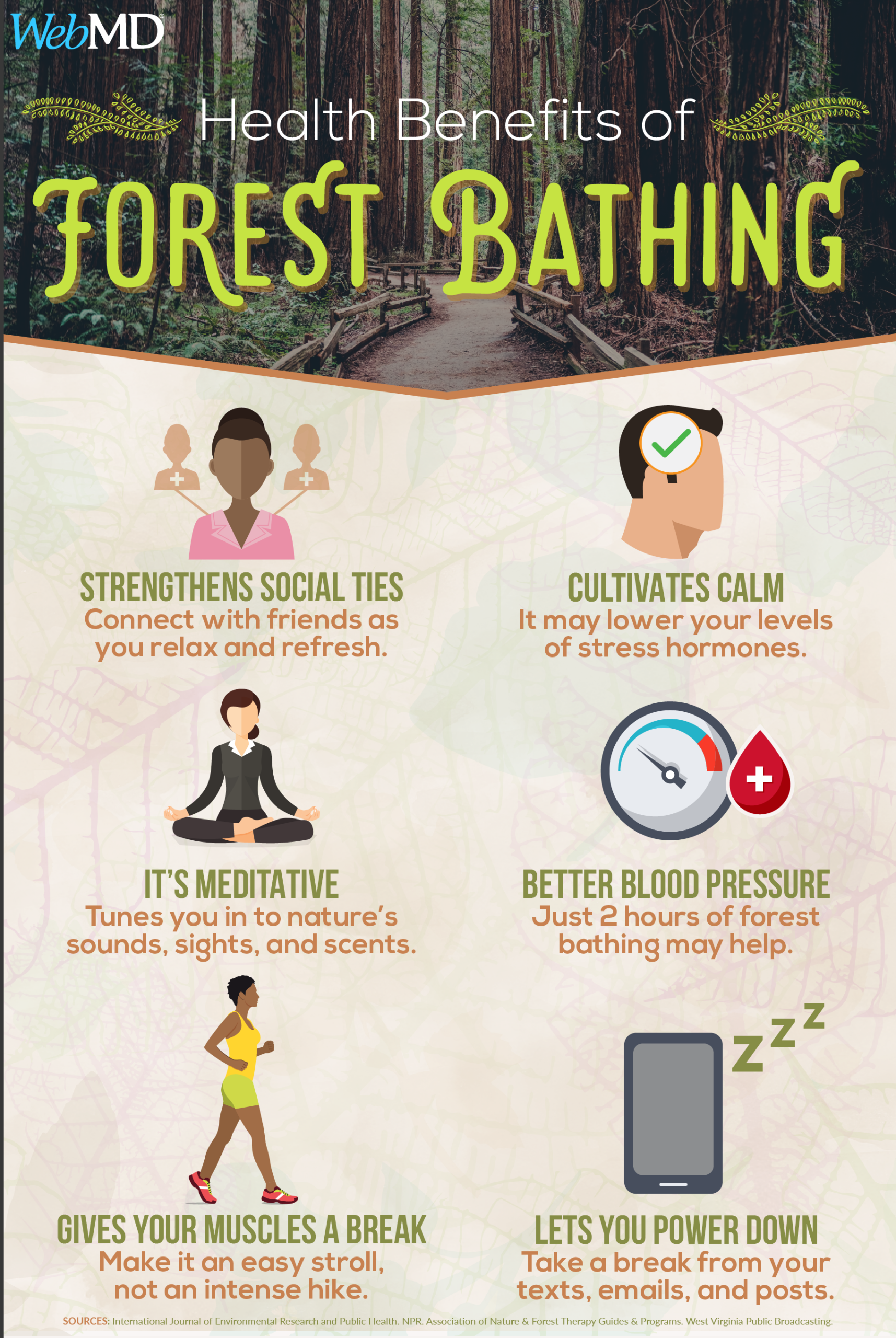
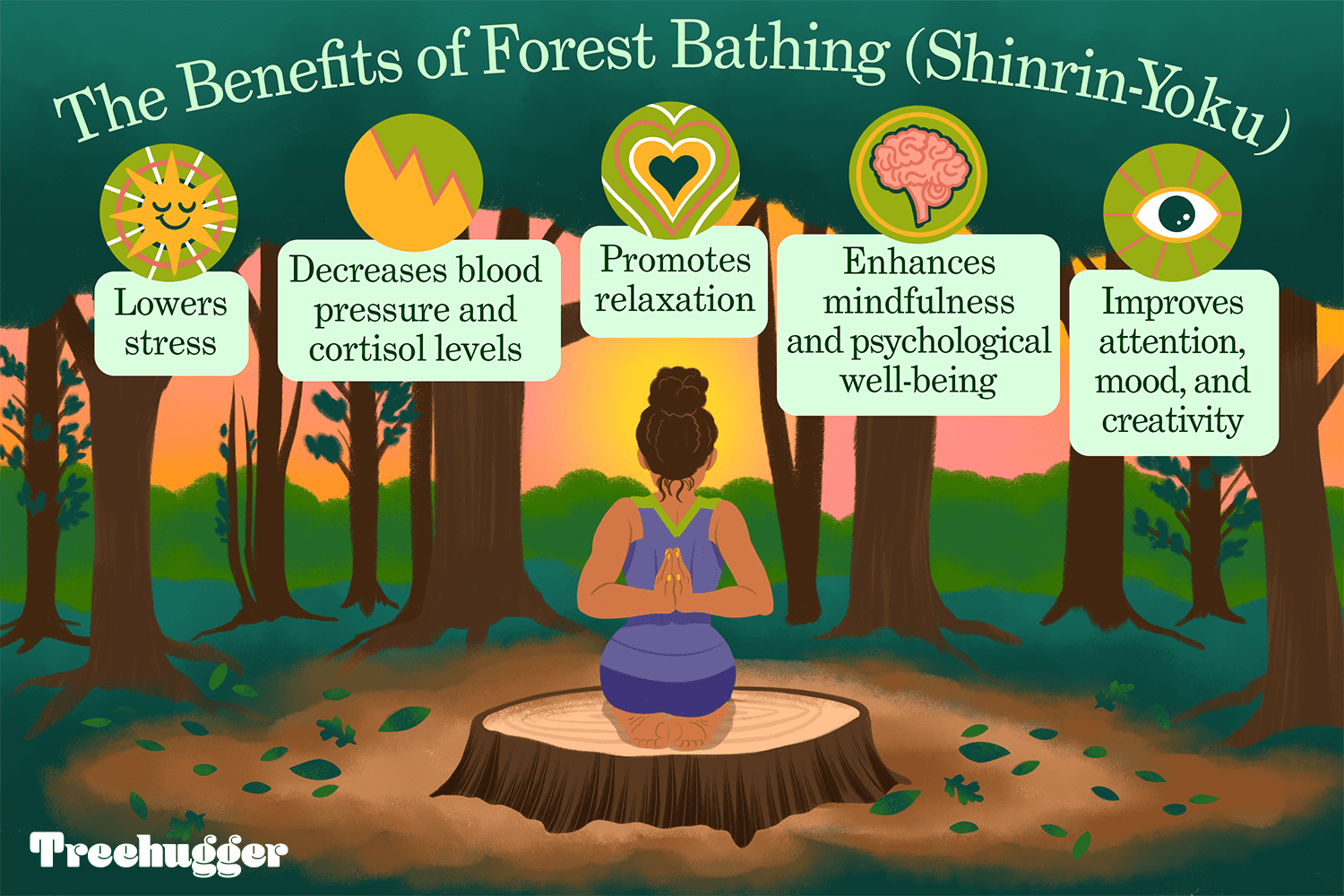
Studies have consistently shown that forest bathing leads to a marked reduction in stress hormone levels, specifically cortisol and adrenaline. By engaging with the sensory inputs of a woodland environment, the body’s "fight-or-flight" response is dampened, allowing the parasympathetic nervous system to take over. Compared to an urban walk, a leisurely forest stroll has been shown to result in 12 percent lower stress hormone levels.
Cardiovascular and Immune Support
The physical benefits extend beyond immediate stress relief. Engaging in forest therapy is associated with:
- Decreased blood pressure: A consistent finding across multi-year studies.
- Reduced heart rate: Providing the cardiovascular system a much-needed recovery period.
- Boosted immune function: Exposure to the forest environment has been linked to improved immune health, strengthening the body's ability to maintain homeostasis in high-pressure environments.
Psychological Restoration and Emotional Regulation
The mental health benefits of forest bathing are perhaps its most significant contribution to modern wellness. In an age where rumination and negative repetitive thinking are common, nature provides a blank canvas for the mind to reset.
Alleviating Depression and Anxiety
Recent reviews in 2025 and 2026 have underscored that forest bathing can considerably alleviate symptoms of depression and anxiety. By eliminating negative emotions and promoting a state of calm, the practice helps individuals break the cycle of constant worry. It is not a panacea for all clinical issues, but it is a powerful, evidence-based adjunct to traditional mental health care.
Enhancing Self-Compassion and Mindfulness
Research indicates that forest bathing is strongly associated with a reduction in negative repetitive thinking. Participants often report an increase in self-compassion and a decrease in self-critical rumination. By focusing on the "impermanence and beauty" of the forest—a concept known as wabi sabi—practitioners learn to observe their thoughts without judgment, fostering a deeper sense of internal peace.
Sustained Benefits: How Long Does the "Nature High" Last?
A common question for those looking to integrate this practice into their 2026 lifestyle is the longevity of its effects. Are the benefits fleeting, or do they have a lasting impact?
Researchers in Japan have found that for urban office workers, the physiological and psychological relaxation benefits can last for three to five days following a single forest therapy session. This "carry-over effect" makes forest bathing an incredibly efficient tool for managing weekly stress cycles. By scheduling a session mid-week or during a weekend, individuals can maintain a higher baseline of emotional stability throughout their workweek.
Implementing Forest Bathing in a High-Tech World
You do not need to live in the deep wilderness to reap these benefits. The practice is about the quality of the immersion, not the acreage of the forest. Whether it is a local park with a dense cluster of trees or a protected forest reserve, the key is to adopt a mindset of "noticing."
- Disconnect: Leave the smartphone and digital devices in the car or on airplane mode.
- Slow Down: Move at a pace that allows you to notice the texture of bark, the sound of leaves, and the subtle shifts in light.
- Engage Senses: Actively touch the trees, listen to the wind, and smell the forest floor.
- Practice Presence: When the mind drifts to your inbox or to-do list, gently guide it back to the sensory experience of the forest.
This conscious transition from "doing" to "being" is what differentiates a standard nature walk from true forest bathing. As we move further into 2026, the integration of these micro-restorative habits will likely become a cornerstone of preventative mental health care for individuals worldwide.
The Neurobiology of Nature: Why Our Brains Crave the Canopy
To understand why the 2026 wellness movement is so fixated on the woods, we must look at the neurobiological interaction between the human brain and the forest environment. The human central nervous system evolved over millennia in natural settings, not in the blue-light-saturated, high-frequency environments of modern smart cities. When we enter a forest, we are effectively returning to a "home" environment for our sensory systems.
The Mechanism of Attention Restoration
One of the most compelling theories in environmental psychology is the Attention Restoration Theory (ART). In our modern, high-tech lives, we rely heavily on "directed attention"—the cognitive effort required to focus on spreadsheets, emails, and complex digital interfaces. This capacity is finite and easily depleted, leading to the "brain fog" that many report by mid-week.
- Soft Fascination: The forest provides "soft fascination," where the natural patterns of wind in the leaves or the movement of light (the komorebi effect) draw our attention without requiring intense cognitive effort.
- Cognitive Recovery: By allowing the brain to switch from "directed attention" to this state of "soft fascination," the neural pathways associated with focus are given a chance to recover.
- Reduced Mental Fatigue: This shift is what prevents the burnout so prevalent in the 2026 workforce, as it allows the prefrontal cortex to rest and reset its operational capacity.
The Role of Phytoncides: Nature’s Aromatherapy
Beyond the visual experience, the forest emits airborne chemical compounds known as phytoncides. These are antimicrobial essential oils released by trees to protect themselves from decay and insects. Research suggests that when we inhale these compounds during forest bathing, our bodies respond with a measurable increase in the activity of Natural Killer (NK) cells—a critical component of our immune system.
- Immune System Priming: The inhalation of these plant-derived aerosols has been shown to boost the number and activity of NK cells, which play a major role in cancer prevention and viral resistance (Source 1).
- Hormonal Balancing: The interaction between these compounds and our respiratory system creates a feedback loop that lowers blood pressure and stabilizes heart rate variability.
- Long-term Resilience: Unlike synthetic stress-management tools, this is an organic, biological intervention that works in synergy with our evolutionary biology.
Addressing the "Digital-Nature" Paradox
As we navigate the mid-2020s, a recurring debate emerges: can virtual reality (VR) or digital nature simulations provide the same benefits as physical forest bathing? While technology has advanced to provide high-fidelity sensory immersion, current research suggests that the "real-world" experience remains superior due to the biophilia hypothesis.
The Limitations of Digital Substitutes
While VR nature apps can reduce acute stress, they fail to provide the complex, multi-sensory feedback loop of a physical forest. The absence of the specific, non-repetitive organic sounds, the tactile texture of bark, and the authentic, fluctuating temperature of a woodland environment means that the brain remains partially "on guard."
- Sensory Depth: Digital simulations often lack the chaotic, unpredictable beauty of a real forest, which is essential for the "soft fascination" state mentioned earlier.
- Microbial Interaction: Emerging studies are looking into the importance of soil microbiome exposure, which is entirely absent in digital environments.
- True Disconnection: The act of using a device to "escape" keeps the user tethered to the digital ecosystem, preventing the full detachment from the "always-on" anxiety of modern life.
Integrating Nature into Urban Planning
Given the surge in demand for forest bathing, urban planners and developers in 2026 are increasingly prioritizing the integration of "therapeutic landscapes." This is not just about planting trees; it is about creating intentional spaces that facilitate the shinrin-yoku experience within the city limits.
- Pocket Forests: Small, dense, native-species mini-forests are appearing in city centers to provide immediate, accessible nature access for office workers.
- Quiet Zones: Urban parks are now being redesigned with "contemplative zones" that limit noise pollution and foot traffic to protect the meditative quality of the environment.
- Biophilic Architecture: New building projects are incorporating "living walls" and internal courtyards that mimic the forest atmosphere, aiming to bridge the gap between indoor work and outdoor restoration.
Forest Bathing Across the Lifespan
The application of forest therapy is not limited to the stressed corporate worker. Its benefits are increasingly being recognized as a developmental necessity for children and a vital maintenance practice for the elderly.
Cognitive Development in Children
With the rise of "nature-deficit disorder," educators are finding that forest bathing is a potent tool for classroom management and cognitive development.
- ADHD Symptom Management: Studies have shown that walking in nature significantly improves attention spans and reduces symptoms of ADHD in children (Source 1).
- Emotional Intelligence: The practice encourages a sense of wonder and connection, which is foundational for emotional regulation and empathy in early childhood.
- Stress Buffering: Regular exposure to green space during formative years is associated with lower anxiety levels throughout adolescence.
Healthy Aging and Cognitive Longevity
For the aging population, forest bathing offers a low-impact, sustainable way to maintain both physical and mental health.
- Mobility and Balance: The uneven, natural terrain of a forest floor provides gentle, non-strenuous physical activity that improves proprioception and balance.
- Social Connection: Many forest bathing groups in 2026 have become social hubs, reducing the isolation that often plagues the elderly, while simultaneously providing the mental health benefits of nature.
- Mood Regulation: The anti-depressive effects of forest air and atmosphere are particularly effective in mitigating the symptoms of loneliness and age-related mood disorders (Source 3).
Overcoming Barriers to Entry: Making Nature Accessible
One of the most persistent myths surrounding forest bathing is that it requires a trip to a remote, untouched wilderness. In reality, the efficacy of the practice relies on the intent of the participant, not the remoteness of the location.
Redefining the "Forest"
For many, a "forest" is a massive, old-growth woodland. However, in the context of therapeutic practice, any environment with a significant density of trees can trigger the desired physiological response.
- Local Access: A neighborhood park with established trees is often sufficient if the participant approaches it with the right mindset.
- Time Efficiency: You do not need to spend an entire day. A 20-minute, intentional session can be enough to see a meaningful shift in your heart rate and cortisol levels.
- Consistency over Duration: Regular, shorter sessions are often more effective for managing long-term stress than infrequent, long-duration excursions.
The "Micro-Dosing" Approach to Nature
If you are struggling to find the time for a full-scale forest session, consider the "micro-dosing" method—short, focused engagements with nature that reset the nervous system throughout the day.
- Lunch Break Immersion: Dedicate 15 minutes of your lunch hour to walking in a nearby green space without your phone.
- Sensory Anchoring: Spend five minutes focusing exclusively on the sound of the wind or the visual pattern of leaves to break a cycle of rumination.
- Nature-Based Transitions: Use a park or tree-lined path as a buffer zone between work and home to help the brain shift out of professional "mode."
The Future of Forest Medicine
As we look toward the latter half of 2026 and beyond, the integration of forest bathing into mainstream medicine seems inevitable. We are moving toward a future where "green prescriptions" are as common as traditional pharmaceutical interventions for mild-to-moderate anxiety and stress-related conditions.
The Role of Clinical Guidance
As the practice professionalizes, the role of certified forest therapy guides is becoming increasingly important. These facilitators help individuals move past the "hiker" mentality—where the goal is distance or speed—and into the "bather" mentality, where the goal is deep, sensory-based presence.
- Guided Sessions: These sessions provide structure for those who struggle to "switch off" their minds.
- Group Dynamics: The communal aspect of guided forest bathing can amplify the emotional benefits, creating a shared experience of calm and connection.
- Personalized Programs: Future practitioners may develop specific "forest protocols" tailored to an individual's unique stress profile, whether they are dealing with chronic burnout, anxiety, or physical fatigue.
The Intersection of AI and Nature
While it may seem counterintuitive, AI is actually helping to advance the study and practice of forest bathing in 2026.
- Predictive Analytics: Researchers are using AI to analyze large datasets of physiological markers (heart rate, cortisol, HRV) to determine which specific forest environments provide the most effective recovery.
- Personalized Wellness Apps: New apps are using sensor data from wearables to suggest the optimal time and type of forest environment for a user to visit based on their current stress levels.
- Mapping Healing Spaces: Geospatial AI is being used to map urban "cool spots" and "quiet zones," helping citizens find the best locations for their daily nature reset.
Cultivating a "Wabi Sabi" Mindset
To truly benefit from forest bathing, one must adopt the aesthetic and philosophical framework of wabi sabi—the appreciation of beauty in imperfection and impermanence. In our hyper-productive world, we are often conditioned to seek perfection and permanence. The forest teaches us the opposite.
- Accepting Imperfection: Trees are twisted, leaves are decaying, and branches are broken. This is the natural order of things. When we stop demanding that our environment (and ourselves) be "perfect," we open the door to genuine self-compassion (Source 4).
- Embracing Impermanence: Everything in the forest is in a state of flux. This helps us contextualize our own problems, reminding us that stress, like the seasons, is temporary.
- Deepening Introspection: By observing these natural cycles, we become more adept at observing our own internal cycles without judgment. This is the core of the mindfulness shift that forest bathing facilitates.
The Ethical Imperative of Nature Conservation
As forest bathing becomes a global trend, we must also consider our relationship with the forests themselves. We cannot expect to receive the benefits of the forest if we do not also act as stewards of the environment.
Reciprocity as Part of the Practice
The practice of shinrin-yoku should inherently include a sense of gratitude and respect for the natural world.
- Leave No Trace: Ensure that your practice does not disrupt the ecosystem you are visiting.
- Protecting Green Spaces: Support local conservation efforts that keep forests accessible and healthy for future generations.
- A Sustainable Relationship: View your forest bathing practice as a reciprocal relationship; you gain mental health, and in return, you provide the advocacy and support necessary to keep the forest thriving.
The Collective Benefit
When we collectively value forests not just as resources for timber or recreation, but as essential infrastructure for public mental health, we shift the policy conversation. A society that recognizes the medical necessity of nature is a society that will fight to protect its green spaces.
- Urban Green Policy: Advocacy for more tree canopy in urban environments becomes a public health mandate.
- Climate Resilience: Protecting forests is the single most effective way to combat the heat-island effect in cities, further improving the quality of our living environments.
- Holistic Health Reform: By integrating nature into the healthcare system, we create a more sustainable, equitable model of mental health care that is accessible to all.
The Science of Sound: Acoustic Ecology in the Woods
The auditory landscape of the forest is one of its most potent therapeutic tools. In 2026, acoustic ecologists have begun to quantify what many practitioners have felt for decades: the "soundscape" of a forest is specifically tuned to human relaxation.
The "Biophony" Effect
The natural sounds of a forest—wind rustling through leaves, the distant movement of water, the songs of birds—are collectively known as "biophony." Unlike the "technophony" of city life (traffic, sirens, hum of machinery), which triggers our vigilance, biophony promotes a state of "rest and digest."
- Acoustic Complexity: The complex, non-repetitive patterns of forest sounds are processed by the brain as "safe," allowing the nervous system to disengage its alert mechanisms.
- Rhythmic Entrainment: Many natural sounds have a rhythm that can help entrain our own biological rhythms, leading to a slower heart rate and deeper, more rhythmic breathing.
- Sound Masking: The forest acts as a natural sound-masking agent, filtering out the low-frequency hum of urban life and replacing it with higher-frequency, soothing natural inputs.
Sunlight and Circadian Health
The interplay of light, or komorebi, is not just a visual delight; it is a critical component of our circadian health. In the era of 2026, where many of us spend our days under artificial LED lighting, the natural cycle of light in a forest is a necessary reset for our biological clocks.
The Importance of Full-Spectrum Light
Exposure to the natural, shifting light of a forest environment helps regulate our production of melatonin and serotonin.
- Melatonin Regulation: Exposure to natural light early in the day helps stabilize our sleep-wake cycles, which is one of the most effective ways to combat anxiety and mood disorders.
- Serotonin Production: The quality of light found beneath the canopy—which is diffused and soft—is ideal for stimulating serotonin production, which is essential for emotional stability.
- Komorebi as Therapy: The constant, gentle flickering of light through the leaves acts as a natural "visual massage," preventing the eye strain associated with staring at screens all day.
The Future of Forest Bathing Research
As we move past 2026, the research into forest bathing is shifting from "does it work?" to "how can we optimize it for specific clinical outcomes?" We are entering an era of precision nature-therapy.
Precision Nature-Therapy
Future research will likely focus on:
- Species-Specific Benefits: Do different types of forests (pine vs. deciduous vs. tropical) offer different physiological benefits?
- Dose-Response Relationships: What is the "optimal dose" of forest time for someone dealing with acute burnout versus someone suffering from chronic anxiety?
- Integrating with Pharmacotherapy: Can forest bathing be used to reduce the dosage of anti-anxiety or anti-depressant medications? Initial findings suggest that it can be a highly effective adjunct therapy (Source 2).
The Global Movement
Forest bathing is no longer just a Japanese tradition; it is a global phenomenon. From the "forest schools" in Scandinavia to the "nature prescription" programs in Canada and the United Kingdom, the world is waking up to the fact that our health is inextricably linked to the health of our forests.
- Standardized Training: The development of global standards for forest therapy guides will ensure that the practice remains high-quality and safe.
- Public Health Integration: Expect to see forest bathing integrated into insurance-covered wellness programs within the next few years.
- Cultural Shift: We are seeing a fundamental change in how we define "success." In 2026, a successful life is increasingly defined by our ability to remain balanced, resilient, and connected to the natural world.
Practical Tips for Your First Forest Bathing Session
If you are ready to start your own practice, here is a simple guide to ensure your first session is as effective as possible.
- Choose the Right Spot: Find a place with a dense canopy and minimal traffic. A local park with a quiet section is perfectly fine.
- Turn Off Your Devices: This is non-negotiable. If you must carry your phone, keep it on "Do Not Disturb" mode and keep it in your bag.
- Set Your Intention: Before you start, take a moment to set an intention. It can be as simple as "I am here to reset my nervous system."
- Engage Your Senses:
- Sight: Look at the patterns of light and shadow on the ground.
- Sound: Listen for the layers of sound—the leaves, the birds, the wind.
- Smell: Take deep breaths and notice the scent of the earth, the pine, or the damp leaves.
- Touch: Run your hand over the bark of a tree or the texture of a leaf.
- Move Slowly: The point is not to reach a destination. If you walk only 500 meters in an hour, you are doing it right.
- Take Breaks: Don't be afraid to sit down. Sitting at the base of a tree is one of the most effective ways to immerse yourself in the atmosphere.
- Reflect: At the end of your session, take a moment to notice how you feel compared to when you started. Keep a simple journal if you find it helpful.
The Biological Foundation of "Being"
The reason forest bathing works is that it taps into our evolutionary history. For 99% of human history, we lived in direct contact with nature. Our brains and bodies are designed to process the complex, multi-sensory environment of a forest. When we deprive ourselves of this, we are essentially living in a state of sensory starvation.
The "Nature-Deficit" Correction
By re-introducing ourselves to the forest, we are correcting a fundamental imbalance. We are not "visiting" nature; we are returning to our natural environment. This shift in perspective is what makes the practice so transformative.
- Restoring Homeostasis: The forest environment provides the specific inputs our bodies need to return to a state of balance.
- Reducing Chronic Inflammation: Emerging research suggests that the stress-reduction benefits of forest bathing may also have downstream effects on chronic inflammation, which is the root cause of many modern diseases.
- Enhancing Cognitive Flexibility: The ability to switch between tasks and maintain focus is improved when we regularly spend time in nature, as the brain is not constantly fighting the fatigue of urban stimuli.
The Long-Term Impact on Mental Health Systems
As we look toward the future, the integration of forest bathing into public mental health policy could save billions in healthcare costs. By providing a low-cost, accessible, and effective tool for stress management, we can reduce the burden on our clinical mental health systems.
A New Model of Preventative Care
- Early Intervention: For those starting to show signs of burnout or chronic stress, a "nature prescription" can be an effective first line of defense.
- Reducing Relapse: For those in recovery from mental health conditions, regular forest bathing can be a powerful tool for maintaining stability and preventing relapse.
- Cost-Effectiveness: Unlike traditional therapies or medications, forest bathing is essentially free and has no negative side effects, making it an ideal candidate for large-scale public health initiatives.
The Cultural Shift Towards Wellness
Ultimately, the rise of forest bathing in 2026 is a reflection of a deeper societal shift. We are realizing that the "faster, harder, more" mentality of the early 21st century is not sustainable. We are rediscovering the value of stillness, the importance of connection, and the fundamental truth that we are part of the natural world, not separate from it.
- Redefining Productivity: We are moving toward a model of productivity that values quality, creativity, and well-being over sheer output.
- Valuing Silence: In a world filled with constant noise, the ability to find and appreciate silence is becoming a premium skill.
- Prioritizing Connection: Our connection to the environment is becoming seen as a vital part of our connection to ourselves and our communities.
The Role of Architecture in Facilitating Nature Access
As urban environments become more crowded, the architecture of our cities must evolve to facilitate the psychological needs of their inhabitants. In 2026, we are seeing a boom in "biophilic design," where the principles of forest bathing are being baked into the very fabric of our buildings.
Biophilic Design Principles
- Natural Lighting: Buildings are being designed to maximize natural light exposure, mimicking the shifting patterns of the forest canopy.
- Natural Materials: The use of wood, stone, and other natural materials in interior design is being shown to have a measurable impact on stress levels.
- Integrated Green Spaces: From rooftop gardens to indoor vertical forests, the goal is to ensure that nature is never more than a few steps away.
- Acoustic Control: Buildings are being designed with better sound insulation to create "quiet zones" that allow for the same meditative state as a forest.
The Impact on Workplace Wellness
Companies that have integrated these design principles are seeing significant improvements in employee morale, productivity, and retention.
- Reduced Absenteeism: Employees who have access to nature-filled spaces are less likely to take sick leave due to stress-related illness.
- Increased Creativity: The "soft fascination" state mentioned earlier is a powerful driver of creative problem-solving.
- Lower Burnout Rates: Providing employees with a space to "reset" during the workday is one of the most effective ways to prevent burnout in high-pressure roles.
Sustaining the Practice: Overcoming the "Novelty" Effect
A common challenge with any new wellness trend is the "novelty effect"—the initial spike in interest that fades as the practice becomes routine. To ensure that forest bathing remains a lifelong habit, we must treat it as a foundational practice rather than a fleeting hobby.
Making it a Habit
- Schedule It: Treat your forest bathing session with the same level of commitment as a doctor’s appointment or a work meeting.
- Find Your "Spot": Having a regular, familiar place to go makes it easier to fall into the meditative state.
- Build a Community: Join a local forest bathing group. Having social accountability can be a powerful driver of consistency.
- Track Your Progress: Keep a simple log of how you feel before and after your sessions. Seeing the tangible benefits over time will reinforce the habit.
The "Mindfulness" Bridge
The most successful practitioners are those who bridge the gap between their forest bathing practice and their daily mindfulness practice.
- Daily Meditation: Use your forest bathing sessions to deepen your meditation practice, bringing the sense of "presence" you find in the woods back into your daily life.
- Breathwork: The high-quality air of the forest is the perfect environment for deep, conscious breathing, which is a core component of many mindfulness traditions.
- Observational Practice: Use the "noticing" skills you develop in the forest to become more present and observant in your everyday life.
The Broader Environmental Context
We cannot talk about the benefits of forest bathing without acknowledging the state of our forests. In 2026, climate change and deforestation are pressing issues that threaten the very environments we rely on for our mental health.
Stewardship as a Mental Health Practice
The act of protecting the forest is, in itself, a powerful way to manage "eco-anxiety." By taking action, we move from a place of helpless worry to a place of empowered stewardship.
- Active Advocacy: Support policies that protect forests and promote reforestation.
- Local Action: Participate in local planting or conservation projects.
- Educational Outreach: Share the benefits of forest bathing with others, helping to build a broader coalition of people who value and protect our natural spaces.
The Future of Forest Management
As we recognize the value of forests for human health, forest management policies are shifting to prioritize conservation over extraction.
- Ecosystem Services Valuation: We are beginning to quantify the "health benefits" of forests in economic terms, which is providing a powerful argument for their protection.
- Climate Mitigation: Healthy forests are the most effective carbon sinks we have, making their protection a critical part of our climate strategy.
- Public Health Mandate: We are moving toward a future where protecting the forest is seen as a key component of our public health infrastructure.
Reconnecting with Our Biological Roots
The ultimate goal of forest bathing is not to escape the modern world, but to find a way to live within it that is sustainable for our minds and bodies. By reclaiming our connection to the forest, we are reclaiming a part of ourselves that has been lost in the rush of the 21st century.
The Power of "Just Being"
In a world that demands constant doing, the act of "just being" is a radical, revolutionary choice. It is an act of defiance against the pressure to be constantly productive, and an act of self-love that nourishes the very core of our humanity.
- Reclaiming Presence: When we are in the forest, we are fully present, fully engaged, and fully alive.
- Finding Balance: The forest teaches us that balance is not a static state, but a dynamic, ongoing process.
- Cultivating Peace: The peace we find in the forest is not something we "get"; it is something we cultivate within ourselves by aligning our internal rhythms with the rhythms of the natural world.
The Journey Ahead
As we continue to navigate the complexities of the mid-2020s, the practice of forest bathing will remain a vital tool for those seeking to maintain their mental health and well-being. It is a simple, accessible, and profoundly effective practice that reminds us of our place in the web of life.
- Start Small: You don't need to be an expert to begin. Just show up and notice.
- Be Patient: The benefits are cumulative. The more you practice, the more you will notice the shifts in your mental and physical state.
- Stay Open: Allow the forest to teach you what you need to learn. Every session is an opportunity for discovery.
This is the promise of forest bathing: a path back to ourselves, a path back to the natural world, and a path toward a more balanced, resilient, and peaceful future. As we move forward, let us embrace this practice not just as a wellness trend, but as a fundamental human right—the right to be in connection with the earth that sustains us.
References
-
Psychiatry — What Is Forest Bathing and How Does it Benefit Mental and Physical Health?, 2026
-
Frontiersin — Is forest bathing a panacea for mental health problems? A … – Frontiers, 2026
-
Onlinelibrary — The effects of forest bathing on psychological well-being: A systematic …, 2026
-
Sciencedirect — The effects of forest bathing on self-criticism, self-compassion, and …, 2026
-
Health — What Is Forest Bathing? Potential Benefits – Cleveland Clinic Health …, 2026
-
Healthline — The Mental and Physical Health Benefits of Shinrin-Yoku (Forest Bathing), 2026
-
Researchgate — (PDF) Therapeutic Effects of Forest Bathing on Human Health: A …, 2026
-
Npr — The science of forest bathing: 5 ways it can boost health and … – NPR, 2026