Low-effort Cleaning Tips For Busy Professionals
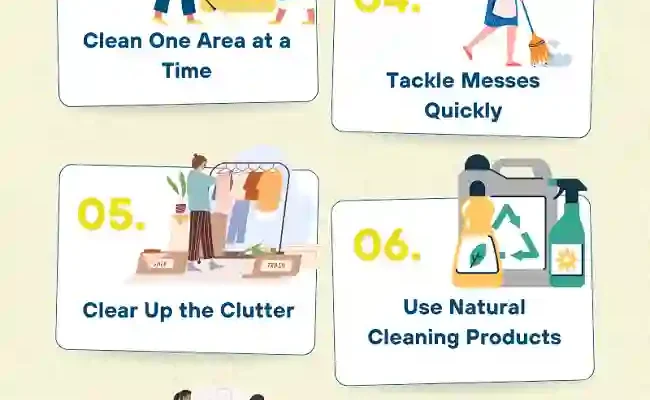
In the fast-paced landscape of 2026, the modern professional is constantly navigating a high-stakes environment where every minute counts. Between back-to-back virtual meetings, demanding project deadlines, and the persistent desire for a balanced personal life, the traditional "weekend cleaning marathon" has become a relic of the past. If you find yourself staring down the barrel of an hours-long scrubbing session, it is time to pivot. Low-effort cleaning is no longer just a trend for the cleaning-averse; it is a critical productivity strategy for busy professionals who refuse to let their home environment negatively impact their mental clarity.
The reality is that a cluttered space often leads to a cluttered mind. Research consistently shows that a clean and organized home is essential for maintaining high levels of productivity and overall well-being. However, when your schedule is overloaded, cleaning often drops to the bottom of your priority list. This leads to the "snowball effect," where small, manageable messes transform into overwhelming chores that drain your limited decision-making energy. By adopting a smarter, rather than harder, approach to home maintenance, you can reclaim your downtime without sacrificing the standard of your living space.
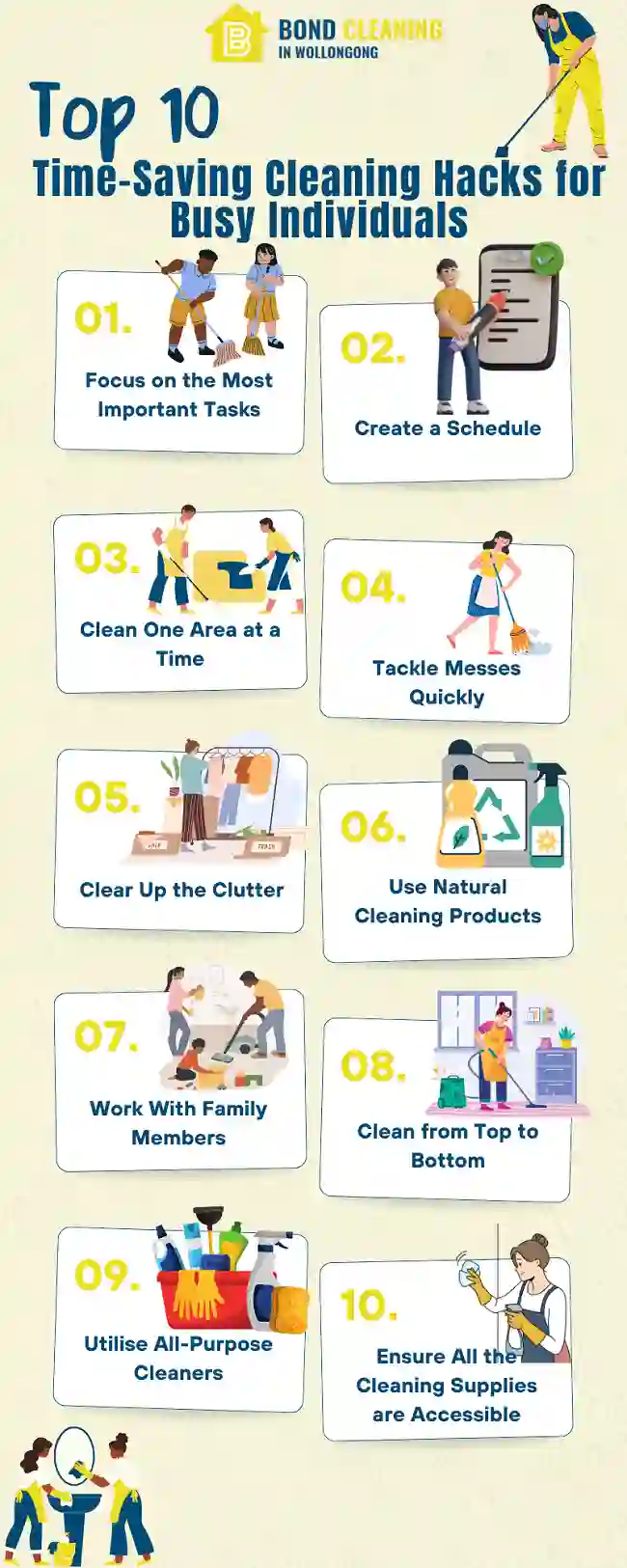
The Science of the "Reset": Why Small Habits Win
The secret to a spotless home in 2026 isn't a deep-clean session; it is the micro-habit. By breaking your chores into manageable segments, you remove the guesswork that kills motivation and causes procrastination. A structured cleaning checklist for busy professionals acts as a cognitive offloading tool. When you know exactly what to do—and in what order—you stop wasting energy on deciding which room to tackle first.
The Three-Tiered Routine
To maintain a consistent standard without the burnout, experts recommend a three-tiered approach to your routine:
- The 10-Minute Daily Reset: This is your foundation. Tasks like wiping down kitchen counters after coffee, loading the dishwasher, and doing a quick surface declutter prevent messes from accumulating.
- The 30-Minute Midweek Session: Use this time for targeted maintenance, such as scrubbing the bathroom or addressing specific high-traffic zones.
- The 60-Minute Weekend Sprint: This is your deep-cleaning window. By focusing on vacuuming, changing linens, and dusting, you ensure that the heavy lifting is done in a single, defined hour, leaving the rest of your weekend free.
By tracking your progress with metrics—such as tasks completed per session or even simple "before and after" photos—you turn cleaning into a measurable, rewarding activity. If a 10-minute daily checklist replaces a 30-minute sporadic clean, you are effectively saving 140 minutes of labor every single week.
Essential Tools for the High-Efficiency Home
You cannot expect to work quickly if your tools are working against you. The most successful busy professionals maintain a compact, portable cleaning kit that can be grabbed in under 30 seconds. If you have to trek to the garage or basement to find your supplies, you have already lost the battle against procrastination.
Stocking Your "Grab-and-Go" Kit
Your kit should be minimal but high-impact. Focus on multi-purpose solutions that reduce the need for a dozen different bottles. Key items include:
- Microfiber Cloths: These are superior to traditional rags for trapping dust and grime. Keep a stack on hand for instant wipe-downs.
- Refillable Spray Bottles: Create your own high-efficacy solutions using simple ingredients like vinegar, water, and essential oils. This mixture is excellent for tables, sinks, and floors, effectively cutting your cleaning time in half.
- Dryer Sheets: An underrated hack for 2026—use these to quickly dust baseboards, blinds, and electronics. They not only pick up dust but also reduce static, making the surface resistant to future buildup.
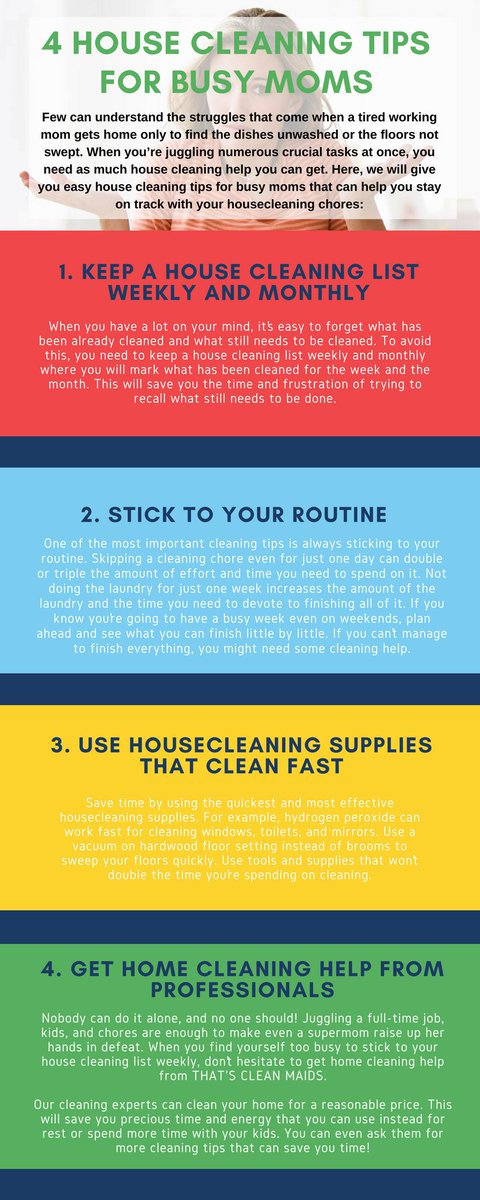
The Power of Multitasking and Automation
In 2026, smart home technology is no longer a luxury; it is a necessity for the time-poor professional. Leveraging automation allows you to outsource the most tedious parts of home maintenance, such as floor vacuuming or air purification, to devices that operate while you are in meetings or focus sessions. However, technology is only one half of the equation. Strategic multitasking is the other.
Cleaning as a Secondary Activity
The goal is to integrate cleaning into existing routines so that it feels automatic rather than an "extra" chore. Consider these high-efficiency habits:
- The "Wait-Time" Wipe: While waiting for your coffee to brew or a file to download, use that 60-second window to wipe down a single surface or clear a pile of mail.
- Audio-Enhanced Chores: Unload the dishwasher while listening to your favorite podcast or catching up on an industry briefing. By pairing a chore with a pleasurable activity, you bypass the mental resistance to the task.
- The Two-Minute Rule: If a task takes less than two minutes—like hanging up a coat or putting a dish in the dishwasher—do it immediately. This prevents the "clutter creep" that ruins the aesthetic of a home by the end of the work week.
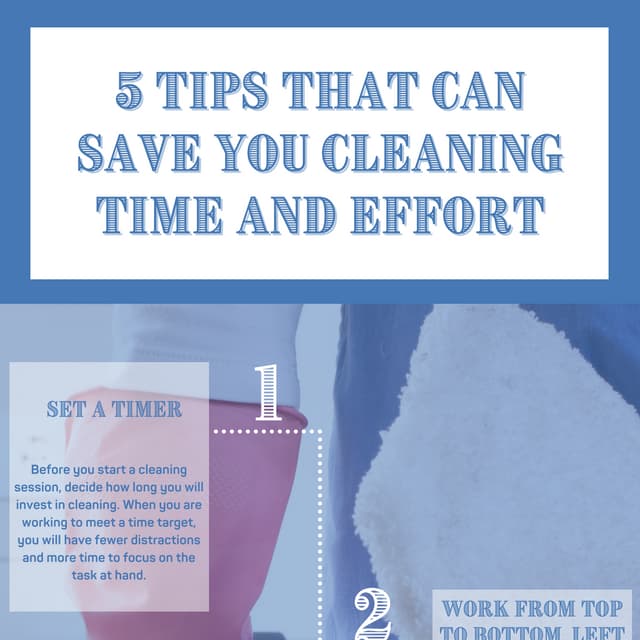
Advanced DIY Hacks for Rapid Results
For the professional who wants to maximize results with minimal chemical exposure and effort, DIY hacks remain the gold standard. These methods are not only cost-effective but often outperform commercial cleaners in specific, high-grime scenarios.
Reviving Appliances and Fixtures
- Microwave Steam-Cleaning: Place a bowl of water with lemon slices in the microwave and heat for three to five minutes. The steam will loosen stubborn grime, allowing you to wipe the interior clean with a single stroke of a microfiber cloth.
- The Dishwasher Refresh: Simply place a cup of white vinegar on the top rack of your empty dishwasher and run a hot cycle. This deodorizes and cleans the machine, saving you from manual scrubbing.
- The Shower Scum Solution: Mix equal parts vinegar and dish soap in a spray bottle. Keep this in your shower and spritz the walls after each use. This prevents soap scum and mold from ever establishing a foothold, meaning you never have to deal with a "deep clean" bathroom session again.
Organizational Strategies for Maintenance
A major component of low-effort cleaning is decluttering. If you have too many items on your surfaces, cleaning becomes exponentially more difficult. Adopt the "one-in, one-out" rule for all new purchases. Use labeled bins in your pantry and closet to ensure that every object has a designated home. When everything has a place, "cleaning" stops being about tidying up and starts being about simply returning items to their homes.
The Psychology of Environmental Control
In the current era of hybrid work, the lines between our professional "command centers" and our personal living spaces have blurred entirely. When your dining table doubles as a workstation, the state of your environment directly influences your ability to execute tasks. Research indicates that visual clutter acts as a constant, low-level distraction, forcing the brain to process unnecessary information even when you aren't consciously looking at the mess (Source 4). By mastering the art of the low-effort reset, you are essentially performing a form of "cognitive maintenance" that preserves your focus for higher-value activities.
Strategies for the Overloaded Professional
The most successful professionals treat their living space like a high-performance system. If the system is clogged, performance drops. To maintain this without sacrificing your limited personal time, consider these psychological shifts:
- The "Reset Trigger" Technique: Attach your cleaning tasks to a physical trigger in your day. For instance, the sound of your laptop shutting down for the day is the trigger to clear your desk. The sound of the morning shower finishing is the trigger to spray down the glass.
- Visual Zoning: Clearly define areas of your home for specific tasks. When you keep your "work zone" strictly for labor, the rest of the home remains a neutral, relaxing space. This mental boundary prevents the feeling that your home is "always a mess" even when you are just sitting on the sofa.
- The 5-Minute "Night-Before" Strategy: Spend exactly five minutes before bed preparing your environment for the next morning. This is not about deep cleaning; it is about "staging." Set out your coffee mug, ensure the living room floor is clear of tripping hazards, and toss any stray mail into a designated tray. You will wake up to a home that feels organized, reducing morning decision fatigue.
Managing the "Clutter Creep"
As we move further into 2026, the rise of "conscious consumption" is helping many professionals simplify their lives. However, for those who still struggle with accumulation, the following tactics can stop the mess before it starts:
- The 30-Day Rule: If you have an item that hasn't been used in 30 days, it is a candidate for donation or storage. This prevents the accumulation of "just in case" objects that clutter your shelves and increase your dusting surface area.
- Digital Decluttering: Often, physical mess is just a manifestation of digital overload. If your desk is covered in paper notes, digitize them using apps like Notion or Obsidian and recycle the physical copies.
- Vertical Storage: Use wall-mounted organizers to clear floor and counter space. The less you have sitting on your surfaces, the faster you can clean them. A surface that takes 30 seconds to clear of items takes only 5 seconds to wipe down.
Leveraging Modern Smart Home Ecosystems
The integration of AI into home maintenance is the hallmark of the 2026 home. If you aren't using automation to handle the "grunt work," you are leaving time on the table. Technology should be viewed as an extension of your personal staff—managing the mundane so you can focus on the strategic.
The Automated Cleaning Stack
- Robotic Maintenance: Invest in a high-quality robot vacuum with an auto-empty base. These units now feature advanced mapping and obstacle avoidance that allow them to navigate a busy home without getting stuck on cables or furniture. Schedule these to run while you are at your office or in a deep-work session.
- Air Purification Systems: Modern smart purifiers don't just clean the air; they reduce the amount of dust settling on your furniture. By keeping your indoor air quality high, you reduce the frequency with which you need to dust your surfaces.
- Smart Lighting for Visibility: Poor lighting hides grime, leading to procrastination. Install smart bulbs that can be set to "cool white" during cleaning sessions. This high-contrast lighting makes it immediately obvious where attention is needed, preventing you from missing spots and having to re-clean later.
Delegation and Outsourcing
Sometimes, the best "low-effort" tip is to remove yourself from the equation entirely. In the current gig economy, professional cleaning services have become more accessible and easier to book via apps.
- The "Micro-Outsource": You don't need a full-house deep clean every week. Many services offer "hourly" bookings where you can request a pro to handle specific, high-effort tasks like scrubbing the oven, cleaning baseboards, or washing windows.
- Batching Domestic Help: If you have the budget, booking a professional once every two weeks for a 2-hour "refresh" can keep your home at a base level of cleanliness that makes your daily 10-minute resets significantly more effective.
Seasonal Maintenance for the Busy Professional
Even with a solid daily routine, deep-seated grime can build up over months. Instead of letting this become a massive project, integrate seasonal "micro-tasks" that take advantage of the natural rhythm of the year.
Quarterly High-Impact Tasks
- The "Filter Refresh": Every three months, swap out your air filters and clean your vent covers. This is a 15-minute task that keeps your HVAC system running efficiently and prevents dust from circulating throughout your home.
- The Pantry Purge: Use the turn of the season to check expiration dates on your pantry goods. This prevents pests and ensures you aren't storing unnecessary items.
- Textile Rotation: In 2026, many professionals are opting for modular bedding and furniture covers that can be machine-washed easily. Rotate these out seasonally to keep your home feeling fresh without the need for professional upholstery cleaning.
The Role of Material Selection in Maintenance
If you are currently looking to upgrade your home or replace furniture, consider the "cleanability" of the materials you choose. Professionals often overlook this during the buying process, creating a lifetime of extra work for themselves.
Choosing "Low-Maintenance" Materials
- Avoid High-Gloss Surfaces: While they look sleek, high-gloss surfaces show every fingerprint and dust particle. Opt for matte or textured finishes that are far more forgiving.
- Performance Fabrics: When choosing sofas or chairs, opt for performance fabrics that are stain-resistant and machine-washable. This turns a potential "professional cleaning" expense into a simple laundry task.
- Open-Leg Furniture: Choose furniture with legs rather than pieces that sit flush on the floor. This allows your robot vacuum to clean underneath, preventing the buildup of dust bunnies that are difficult to reach manually.
Mastering the "Transition Zones"
The areas of your home where you transition from "work mode" to "home mode" are the most prone to mess. By focusing your cleaning efforts here, you create a psychological buffer that improves your quality of life.
The Entryway and Mudroom Strategy
- The "Drop Zone" System: Create a dedicated, closed-storage area for shoes, bags, and coats. If you allow these items to spread into your living space, the home will feel cluttered regardless of how clean the surfaces are.
- The Daily Sweep: Keep a small, handheld cordless vacuum in or near your entryway. A 30-second sweep of this area every evening prevents dirt from being tracked through the rest of the house, which saves hours of cleaning time over the course of a month.
The Desk and Workspace Refresh
- Cable Management: Cables are the enemy of a clean aesthetic. Use cable sleeves or under-desk trays to keep wires off the floor. This makes vacuuming and dusting your workspace a matter of seconds rather than minutes.
- The "Zero-Surface" Desk Policy: At the end of every day, your desk should be clear of everything except your essential tools. If it isn't used daily, it belongs in a drawer. This habit alone will increase your morning productivity by eliminating the "visual noise" of a cluttered desk.
Advanced Surface Management
Different surfaces require different strategies. Knowing the "path of least resistance" for each material in your home will save you from using the wrong chemicals and spending extra time scrubbing.
Specialized Cleaning Protocols
- Stainless Steel: Instead of expensive, streaky cleaners, use a tiny drop of olive oil on a microfiber cloth to buff stainless steel appliances. It creates a protective barrier that resists fingerprints and keeps the surface looking polished for longer.
- Glass and Mirrors: Use a mixture of water and a small amount of rubbing alcohol. This evaporates quickly, preventing the streaks that often require a second pass with a cloth.
- Hardwood Floors: Avoid excessive water. A light misting with a pH-neutral cleaner and a microfiber mop is sufficient. The key is to address spills immediately so they don't penetrate the wood finish.
The "Efficiency Mindset" for Shared Households
If you live with roommates or a partner, the "low-effort" approach becomes a team effort. The goal is to move from "who is responsible for this mess" to "how can we maintain the system."
Communication and Systems
- The Shared Digital Checklist: Use a tool like Trello or a shared Google Sheet to track recurring tasks. When everyone can see what has been done, you eliminate the friction of wondering if the bathroom has been cleaned or the trash taken out.
- Defined Accountability: Assign specific zones of the home to specific people. When someone is responsible for the kitchen, they take ownership of the "reset" routine, which leads to better consistency than a "we all do it" approach.
- The "Fairness" Audit: Once a month, have a brief check-in to see if the current division of labor is working. If someone is consistently overwhelmed, adjust the tasks. The goal is to keep the home functional, not to enforce a rigid schedule.
Troubleshooting Common "Cleaning Bottlenecks"
Even the best routines hit snags. When you find yourself falling behind, don't try to "catch up" with a massive cleaning spree. Instead, use these troubleshooting tactics to get back on track without the burnout.
When You Fall Behind
- The "Focus-Room" Strategy: If your home is a mess, pick one room—the one you use most—and clean only that. A clean living room is better than an entire house that is halfway clean and still feels chaotic.
- The "Trash-First" Rule: If you are overwhelmed, ignore the dust and the grime for a moment. Just go through every room and collect the trash. Getting rid of the literal waste often provides the mental clarity needed to tackle the rest of the tasks.
- The 15-Minute Timer: Set a timer for 15 minutes and tackle the most visible mess. When the timer goes off, stop. You will be surprised by how much you can accomplish with a strict deadline.
Dealing with "Hidden" Mess
- The "Top-Down" Dusting Rule: Always dust from the top of the room to the bottom. If you dust the shelves first, the dust falls onto your already-cleaned floors, forcing you to re-do the work.
- The "Inside-Out" Cabinet Clean: Don't pull everything out of your cabinets at once. Clean one shelf at a time. This prevents the "I have made a huge mess" feeling that often leads to abandoning a project halfway through.
Future-Proofing Your Cleaning Routine
As we look forward to the next year, the trend of "minimalist maintenance" will only grow. By focusing on the intersection of technology, psychology, and habit formation, you are building a system that will serve you for years to come.
Sustainable Habits for the Long Term
- The "Review and Adjust" Cycle: Every six months, evaluate your cleaning routine. Is it still working for your current work-life balance? If your schedule changes, your cleaning system should evolve with it.
- Prioritize Health over Perfection: A home doesn't need to be showroom-ready to be clean. Focus on the areas that impact your health and well-being—the kitchen, the bathroom, and your sleep environment. Everything else is secondary.
- The "Low-Impact" Mindset: Continue to look for ways to reduce the amount of "stuff" you own. The ultimate low-effort cleaning tip is to have fewer things to clean. Every item you remove from your home is one less thing you have to manage, dust, organize, or repair.
The Intersection of Cleaning and Mental Health
There is a profound, often overlooked link between the state of our environment and our mental health. In the high-stress professional environment of 2026, your home should be your sanctuary, not a source of additional stress.
Creating a Calming Environment
- Sensory Management: Cleaning isn't just about removing dirt; it's about managing the sensory input of your home. A clean home smells fresh, feels organized, and is visually quiet. This is the foundation of a space that allows you to recharge after a demanding day.
- The "Ritual" of Cleaning: Instead of viewing cleaning as a chore, try to reframe it as a ritual of self-care. When you take the time to make your bed or wipe down your counters, you are signaling to yourself that you value your environment and your well-being.
- Mindfulness in Motion: Use your 10-minute daily reset as a moment of mindfulness. Focus on the physical sensations of the task—the feeling of the cloth, the sound of the water, the visual transformation of the surface. This can turn a mundane task into a meditative practice that actually lowers your stress levels.
Adapting to Life Transitions
Your cleaning needs will fluctuate based on your life stage. Whether you are moving to a new city, starting a new job, or managing a growing family, your cleaning strategy must be flexible.
Scaling Your System
- The "Growth" Phase: If your responsibilities at work increase, be prepared to outsource more of your domestic tasks. This is not a failure; it is a strategic decision to protect your most valuable asset—your time.
- The "Simplification" Phase: If you have more time, consider taking over a few tasks to save money. The key is to always keep the "low-effort" mindset, regardless of how much time you have available.
- The "New Environment" Audit: Every time you change your living space, perform a new audit of your cleaning needs. A new layout requires a new system. Don't try to force an old routine onto a new space.
The Role of Professional Development in Home Maintenance
Surprisingly, many of the skills you use in your professional life—project management, process optimization, and delegation—are directly applicable to home maintenance.
Applying Business Principles to Home Chores
- Project Management: Treat your home like a project. What are the milestones? What are the dependencies? By applying a project management mindset, you can avoid the "all-or-nothing" approach that leads to burnout.
- Process Optimization: Constantly look for ways to streamline your chores. If you find yourself doing the same task over and over, ask yourself if there is a way to automate, delegate, or eliminate it.
- Delegation: Don't be afraid to delegate tasks to others in your household or to professionals. You are the CEO of your life; your job is to ensure the system is running, not to do every single task yourself.
Final Reflections on the "Low-Effort" Lifestyle
The pursuit of a low-effort cleaning routine is not about laziness; it is about efficiency and prioritization. By reclaiming the time you would have spent on tedious chores, you are investing in your own productivity, your mental health, and your quality of life.
The Path Forward
- Consistency over Intensity: Never aim for perfection. Aim for a consistent, sustainable level of cleanliness that allows you to live your life without the constant background noise of unfinished tasks.
- The Power of Small Wins: Celebrate the small victories—a clean sink, a tidy desk, a vacuumed floor. These small wins build momentum and make the process of home maintenance feel rewarding rather than draining.
- Your Home, Your Rules: Don't compare your home to the curated images you see on social media. Your home should reflect your needs and your lifestyle, not an impossible standard. Create a system that works for you, and stick with it.
The modern professional has enough to worry about; your home should be the one place that simplifies your life, not complicates it. By implementing these low-effort strategies, you are creating a foundation for a more productive, balanced, and stress-free life in the years to come. The goal is to spend less time cleaning and more time living—and with the right systems in place, that goal is entirely within reach.
The "Minimalist Maintenance" Mindset
As we navigate the demands of 2026, the rise of minimalist maintenance is not merely an aesthetic choice; it is a survival tactic for the high-performing professional. This philosophy dictates that the most effective way to clean is to reduce the volume of items that require attention. When you audit your environment, you often find that 30% of your cleaning time is spent moving, dusting, or organizing items that provide zero value to your daily life.
- The "Surface-Clear" Audit: Perform a room-by-room scan. If an object does not serve a functional purpose or bring you genuine joy, it is a liability. Removing these items reduces the "friction" of your daily reset routines.
- Curated Storage: Invest in opaque, closed-storage solutions. By hiding the visual clutter of cords, papers, and knick-knacks, you reduce the brain's "cognitive load," which research suggests is vital for maintaining sustained attention during work hours (Source 4).
- The One-Touch Rule: Commit to handling an item only once. When you walk through the door, your coat goes directly into the closet, not on a chair. This habit prevents the "clutter creep" that often serves as the primary barrier to a clean home.
Leveraging the "Off-Peak" Cleaning Window
Busy professionals often attempt to clean during their most exhausted hours, such as late Friday night or early Sunday morning. This is a strategic error. Energy management is just as important as time management. Instead, identify your "off-peak" productivity windows—those gaps in your schedule where you have enough physical energy to move, but not enough mental bandwidth for high-level creative work.
- The Post-Meeting Recharge: If you have just finished a draining two-hour conference call, use the next 10 minutes to engage in physical movement. Cleaning acts as a "reset button" for the nervous system, transitioning you from a sedentary, high-stress state to a more grounded, active one.
- The "Friday Afternoon" Pivot: Rather than waiting for the weekend, use the final 30 minutes of your Friday work block to tidy your workspace. This ensures that you start your Monday morning with a clean slate, effectively separating your work-life boundary.
Future-Proofing with Sustainable Habits
As we look beyond the current year, the integration of smart home ecosystems will continue to evolve. However, the most sustainable habit is the one that requires the least amount of willpower. By automating the repetitive—vacuuming, air filtration, and scheduling—you reserve your mental energy for the projects that actually matter.
- Iterative Improvement: Treat your home routine like a software beta. If a specific task is consistently causing you stress or taking too long, iterate the process. Can you move the supplies closer? Can you delegate the task? Can you automate it?
- Health-Centric Prioritization: Remember that a home is a place for living, not a museum exhibit. Focus your efforts on high-impact areas—the kitchen for hygiene, the bedroom for sleep quality, and the home office for productivity.
- The "Slow-Down" Principle: If you find yourself rushing, you are likely over-complicating. Simplify your steps until the task feels effortless. When cleaning feels like a natural extension of your day rather than a mandatory marathon, you have achieved the peak of professional home management.
The journey toward a stress-free home is an ongoing process of refinement. By moving away from the outdated "deep-clean" mentality and embracing the efficiency of micro-routines, you are reclaiming your most precious resource: time. As the professional landscape continues to shift, your ability to maintain a calm, ordered environment will become a key differentiator in your personal success and long-term well-being. Start small, stay consistent, and let your environment work for you, not against you.
References
-
Bedthreads — 7 Low-Effort Cleaning Tips Busy People Swear By – Bed Threads, 2026
-
Taskwired — Cleaning Checklist for Busy Professionals That Actually Works, 2026
-
Medium — Effortless Cleaning: Tips and Hacks for Busy Professionals … – Medium, 2026
-
Evincodesign — 10 Smart Cleaning Hacks Every Busy Professional Should Know, 2026
-
Isleshine — Top 10 Cleaning Hacks for Busy Professionals: Quick & Easy Tips to Keep …, 2026
-
Wecleanyourhouse — Time-Saving Cleaning Hacks | We Clean Your House, 2026
-
Cleaningbusinessboss — Time-Saving DIY Cleaning Hacks for Busy Professionals, 2026
-
Quickshinefloors — 10 Time-Saving Cleaning Hacks for Busy Individuals, 2026