How To Build Better Habits Without Feeling Overwhelmed

In the fast-paced, high-distraction landscape of 2026, the desire for self-improvement has never been higher. Yet, despite our best intentions, many of us find ourselves trapped in a cycle of starting ambitious routines only to burn out within weeks. The truth is that sustainable change is not a product of extreme willpower; it is the result of strategic, bite-sized actions that fit seamlessly into your existing life.
As we navigate the hybrid work environments and digital noise of 2026, the traditional "all-or-nothing" approach to habit formation has become obsolete. Research shows that attempting to overhaul your entire lifestyle at once is the primary cause of frustration and abandonment. To build habits that actually stick, you must prioritize consistency over intensity and focus on systems that lower the barrier to entry.
Why Traditional Habit Building Fails in 2026
The modern world is designed to fragment our attention. With the constant influx of digital notifications and the blurring lines between professional and personal time, our mental bandwidth is perpetually taxed. When you attempt to layer complex new routines on top of this reality, you are setting yourself up for failure.
The Myth of Willpower
Many people mistakenly believe that successful individuals possess superior willpower. In reality, they have simply mastered the art of designing environments that make desired behaviors easier to execute. When your environment requires high friction to perform a good habit, you will eventually succumb to the path of least resistance.
The Overwhelm Trap
Starting too many habits at once is the fastest route to burnout. Each new habit acts as a decision point in your day, consuming precious cognitive energy. By limiting your focus to two or three habits at a time, you preserve your mental resources and increase the likelihood of long-term integration.
The Strategy of Starting Small
The most effective way to circumvent the brain's resistance to change is to make your new habit so small that it feels ridiculous to skip. This is the core principle of micro-habits.
Applying the "1% Better" Rule
Instead of aiming for a drastic transformation, focus on tiny, incremental improvements. If you want to start exercising, don't commit to a sixty-minute workout. Commit to a five-minute stretch routine. By reducing the scope of the task, you remove the psychological hurdle of starting, which is often the most difficult part of the process.
Building Momentum Through Micro-Wins
Small, consistent actions compound over time to create significant results. When you complete a tiny habit, you trigger a sense of accomplishment. This positive reinforcement encourages you to continue, building the momentum necessary to eventually scale the habit into something more substantial.
Mastering Habit Stacking for Seamless Integration
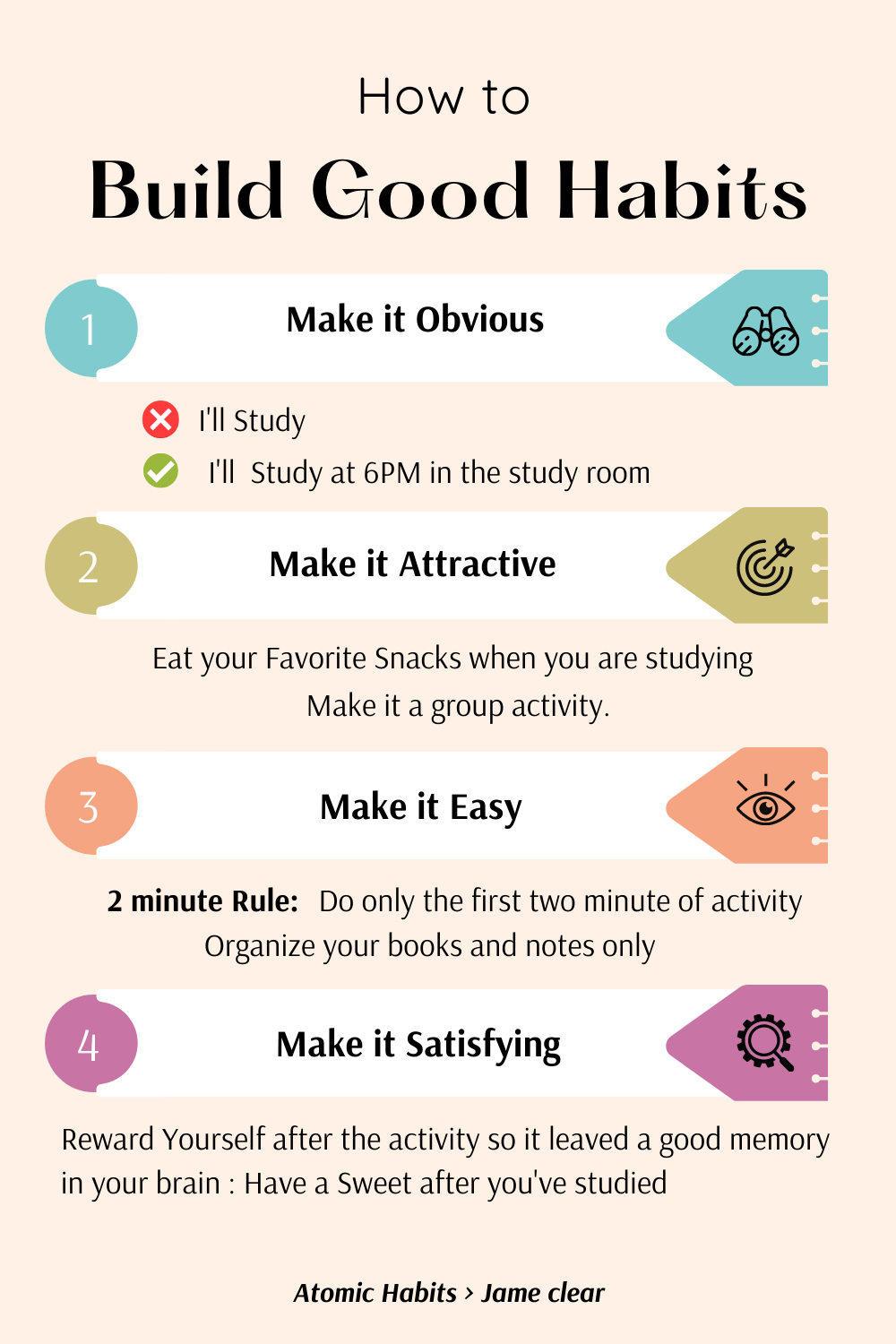
Habit stacking is one of the most powerful tools for building consistency without adding extra mental load to your day. By anchoring a new behavior to an established, automatic routine, you leverage existing neural pathways to facilitate change.
How to Identify Your Anchors
Look at your daily life and identify actions you perform without thinking—like brushing your teeth, pouring your morning coffee, or turning off your computer at the end of the workday. These are your habit anchors.
The "After-Then" Formula
The formula for successful habit stacking is simple: "After I [Current Habit], I will [New Habit]." For example:
- After I pour my morning coffee, I will write one sentence in my journal.
- After I brush my teeth at night, I will do two minutes of deep breathing.
By pairing these actions, you eliminate the need to "remember" to do the new habit. The existing routine acts as a natural trigger, making the new behavior feel like a native part of your day.
Removing Friction to Ease Adoption
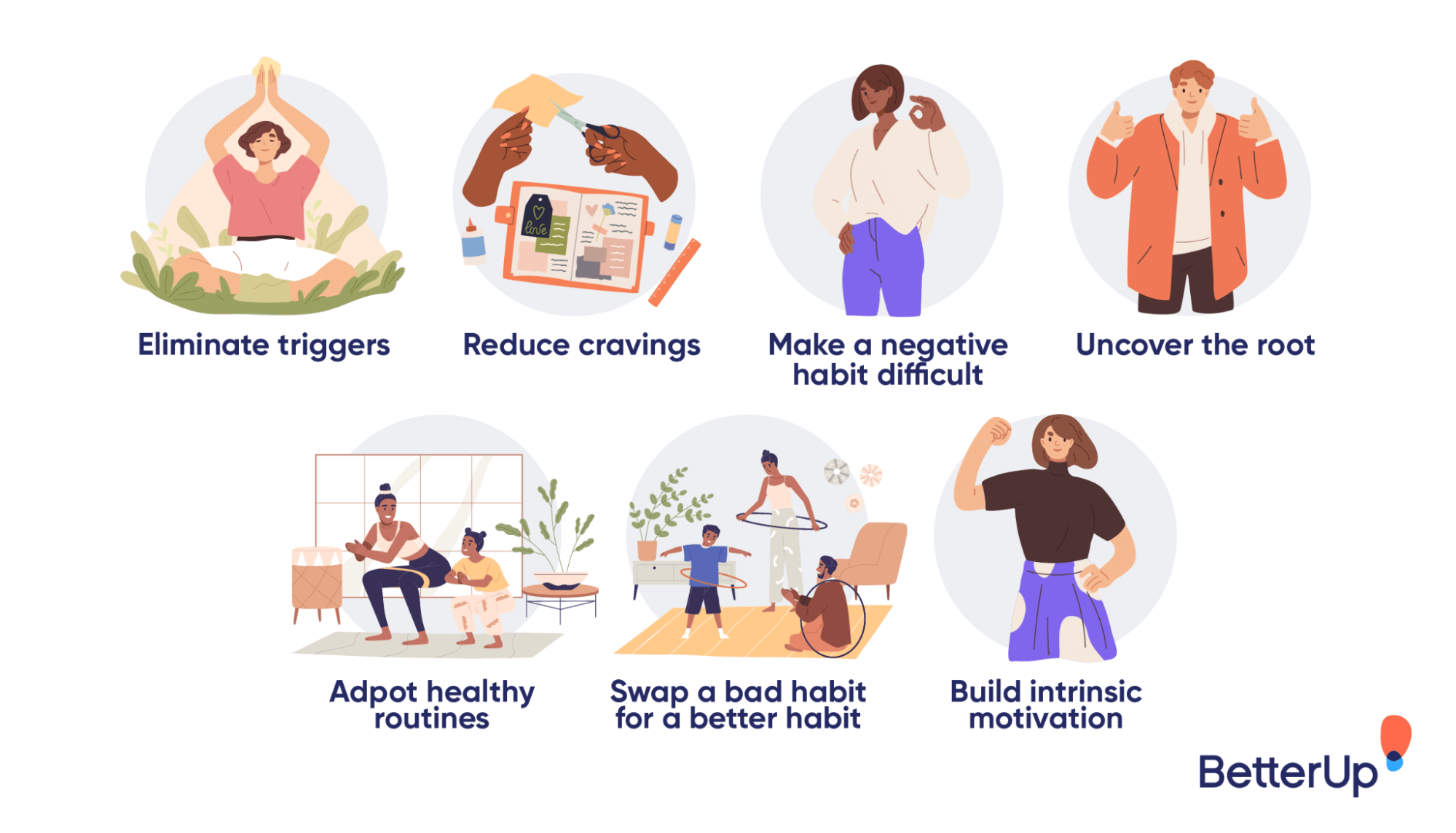
If you want to build a habit, you must make it easy to start. Conversely, if you want to break a bad habit, you must make it difficult. This is the concept of reducing friction.
Environmental Design
If your goal is to eat healthier, prepare your environment to support that choice. Pre-cut vegetables and place them at eye level in the fridge. If you want to read more, place a book on your pillow so it is the first thing you see before bed. By removing the steps between you and the desired action, you increase the probability of success.
Eliminating Decision Fatigue
Decision fatigue occurs when you have to choose between multiple options at the end of a long day. By automating your habits through systems and preparation, you remove the need for decision-making. If your workout clothes are laid out the night before, you don't have to decide whether to exercise—you simply follow the plan.
The Role of Consistency Over Perfection
In the pursuit of self-improvement, perfection is the enemy of progress. Many people abandon their routines the moment they miss a day, falling into "all-or-nothing" thinking. However, the science of habit formation suggests that consistency in effort is far more critical than the intensity of the execution.
Embracing the "Never Miss Twice" Rule
Missing a single day is not a failure; it is a blip. The danger arises when you allow a missed day to turn into a missed week. If you happen to skip a habit, prioritize getting back on track immediately. Be kind to yourself, acknowledge the setback, and restart the next day. This resilience is what separates those who build lasting habits from those who cycle through temporary motivation.
Measuring What Matters
Tracking your progress provides a visual reminder of your dedication. Whether you use a digital app, a simple calendar, or a paper notebook, seeing a streak grow creates a powerful psychological reward. It transforms abstract goals into concrete achievements, helping you stay motivated even on low-energy days.
Setting Realistic and Measurable Goals
Vague intentions like "I want to be healthier" or "I want to be more productive" are difficult to act upon because they lack clear parameters. To build habits effectively, you must define success in a way that is both specific and achievable.
The Power of Specificity
Instead of a general goal, create a clear, actionable target. Instead of "I want to exercise more," try "I will walk for 15 minutes every Tuesday and Thursday." When the goal is specific, you know exactly what is required to succeed.
Weekly Reviews and Adjustments
Life in 2026 is dynamic, and your routines should be, too. Set aside time each week to review your habits. Ask yourself:
- Did this habit fit my schedule this week?
- Did it feel overly stressful?
- How can I adjust the timing or the intensity to make it easier?
By treating your habit-building process as an experiment rather than a rigid set of rules, you gain the flexibility needed to sustain long-term growth. If a habit isn't working, don't force it—adjust it. The goal is to create a lifestyle that feels aligned and sustainable, not one that feels like a chore.
Leveraging Technology Without Falling Into the Digital Trap
In the mid-2026 climate, we are surrounded by an ecosystem of "productivity-as-a-service" platforms. While these tools are designed to streamline our lives, they often become a source of distraction themselves. The paradox of the modern digital landscape is that we often spend more time organizing our tasks than actually performing them. To build better habits, you must learn to use technology as a silent partner rather than a loud, demanding manager.
The Danger of Over-Optimization
It is easy to get caught in the "optimization loop," where you download every new habit-tracking application, sync your calendar, and set up complex automation workflows. This is a form of procrastination disguised as progress. When the tool becomes more complex than the habit itself, you have created a new layer of friction. Keep your digital stack minimal. If an app requires ten minutes of data entry, it is failing to serve you.
- Audit your tools: If you haven’t opened an app in three days, delete it.
- Prioritize low-tech solutions: Sometimes a physical habit tracker on your wall is more effective than a notification-heavy app that interrupts your focus.
- Disable non-essential alerts: Your habit app should notify you once, not five times. Constant pings induce anxiety, which is the antithesis of a sustainable routine.
Selecting the Right Digital Aids
For those who thrive on data, the right tools can offer a sense of accountability. The key is to select apps that provide passive tracking or minimal interaction. A tool should act as a mirror, showing you your progress, rather than a taskmaster demanding your constant attention. Research confirms that digital assistance is most effective when it simplifies the tracking process rather than complicating the execution (Source 4).
Cultivating a Growth Mindset During Plateaus
Habit formation is rarely a linear trajectory. You will inevitably hit plateaus where your initial excitement wanes and the habit feels like a mundane chore. This is not a sign that you are failing; it is a sign that you are transitioning from the "novelty phase" to the "maintenance phase." This is the point where the majority of people give up, but it is also where the most significant growth occurs.
Understanding the Plateau Effect
When you stop seeing immediate, visible results, the dopamine hit of starting something new disappears. To navigate this, you must shift your focus from outcome-based goals to identity-based habits. Instead of focusing on the result (e.g., "I want to lose five pounds"), focus on the identity (e.g., "I am the type of person who never misses a workout"). This shift makes the habit a reflection of your self-image, which is much more durable than temporary motivation.
- Reframing the boredom: Recognize that the "boring" phase is actually the "mastery" phase.
- Focus on the process: Celebrate the act of showing up, regardless of the quality of the output.
- Seek micro-challenges: If the habit feels too easy, introduce a tiny, manageable variation to keep your brain engaged, such as changing the time of day or the environment where you perform it.
The Psychology of Sustainable Change
Sustainable change requires you to be honest about your energy levels. If you are exhausted, forcing a high-intensity habit will only breed resentment. By allowing yourself to scale back during challenging weeks, you protect the long-term viability of the habit. This flexibility is a hallmark of successful habit-builders who understand that life in 2026 is unpredictable and requires a dynamic, rather than static, approach to self-improvement (Source 1).
The Social Dimension of Habit Formation
While building habits is a personal endeavor, you do not have to do it in isolation. In fact, leveraging social dynamics can provide the necessary external pressure to keep you consistent when your internal motivation is low. However, this must be done carefully to avoid the trap of "performative productivity."
Finding Your Accountability Circle
An accountability partner doesn't need to be a coach or a mentor. It can be a friend, a colleague, or a member of an online community who is working toward similar goals. The goal is to create a space where you can share your wins and, more importantly, your struggles without judgment.
- Peer check-ins: A simple weekly text to a friend can provide the accountability needed to stay on track.
- Community challenges: Joining a group with a shared goal (like a 30-day reading challenge) can provide social scaffolding that makes the process feel like a collective effort.
- Public commitment: Sharing your goal with someone you respect can increase your commitment levels, as the desire to maintain integrity often outweighs the desire to slack off.
When to Keep Your Habits Private
Conversely, there are times when sharing your goals can backfire. If you are in the very early stages of building a delicate new routine, public pressure might create unnecessary anxiety. Protect your early-stage habits by keeping them to yourself until you have established a sense of stability. Only share when you feel ready to be held accountable.
Managing Energy, Not Just Time
A common mistake in the high-pressure environment of 2026 is the obsession with time management. We track every minute, trying to squeeze productivity into every gap in our schedules. However, time is a limited resource, whereas energy is a renewable one. You can be in your chair for eight hours and accomplish nothing if your energy is depleted. Conversely, you can achieve your goals in two hours if you are operating at peak mental clarity.
Identifying Your Chronotype
Everyone has a natural rhythm—some are early birds, others are night owls. Trying to force a habit during your "low-energy" window is a recipe for frustration. If you are a morning person, do not attempt to schedule a complex, high-focus habit at 9:00 PM. Align your habits with your natural energy peaks.
- High-energy windows: Use these for tasks that require deep concentration or creative effort.
- Low-energy windows: Use these for simple, repetitive, or administrative habits that require less cognitive load.
- The "Energy Audit": For one week, track your energy levels throughout the day. You will quickly see patterns that dictate when you are most likely to succeed at building a new behavior.
Protecting Your "Deep Work" Blocks
In a world of constant notifications, protecting your focus is a habit in itself. By creating "digital-free zones" or time-blocked periods, you give yourself the space to perform the habits that matter most. If your environment is constantly interrupting you, you will never reach the state of "flow" necessary to make new habits stick.
The Art of Refining and Evolving
As you move through the year, your life circumstances will change. A habit that worked perfectly in January might be impossible to sustain in July. This is not a failure; it is an evolution. The most resilient habit-builders are those who are willing to modify their systems to match their current reality.
Conducting a Monthly Habit Audit
Once a month, take ten minutes to look at your habit roster. Ask yourself:
- Which of these habits still serves my long-term vision?
- Which habits have become automatic and no longer require conscious effort?
- Which habits are causing more stress than value?
If a habit is no longer serving its purpose, have the courage to drop it. Clinging to outdated routines simply because you feel you "should" do them is a major source of overwhelm. Replace ineffective habits with new ones that better align with your current goals and lifestyle (Source 3).
The "Scaling Up" Strategy
Once a habit has truly become automatic—meaning you do it without thinking, like brushing your teeth—you can choose to scale it up. If you have mastered a five-minute daily stretch, perhaps you can increase it to ten minutes. If you have mastered reading one page, you can move to five pages. Only scale up once the baseline habit is effortless. Expanding too quickly is the most common reason for the "yo-yo" effect in habit formation.
Overcoming the "All-or-Nothing" Mindset
The most significant barrier to building better habits is the internal narrative that says, "If I can't do it perfectly, I shouldn't do it at all." This perfectionist trap is pervasive in 2026, fueled by curated social media feeds that showcase flawless routines. You must actively dismantle this mindset to make lasting progress.
The Power of "Imperfect Action"
It is better to do a sub-par workout than no workout at all. It is better to write one messy sentence than to skip your writing habit entirely. An imperfect action keeps the neural pathway alive. When you skip a day, you weaken the connection; when you perform even a tiny, imperfect version of the habit, you keep the connection strong.
- Lower the bar: On days when you feel overwhelmed or sick, define a "minimum viable habit." For a workout, that might just be putting on your running shoes.
- Celebrate the "bad" days: Acknowledge that you showed up even when you didn't want to. This builds more character and resilience than performing perfectly on a day when you were feeling great.
- Stop the comparison: Your journey is yours alone. Comparing your "Day 1" to someone else’s "Day 1000" only serves to discourage you.
Developing Compassionate Accountability
Being hard on yourself does not lead to better habits—it leads to guilt, which leads to avoidance. When you miss a habit, treat yourself with the same compassion you would offer a friend. Ask, "What prevented me from doing this today?" and "How can I make it easier tomorrow?" This problem-solving approach is much more effective than self-flagellation (Source 2).
Integrating Habits into a Busy Professional Life
For many, the biggest hurdle is the integration of habits into a demanding 9-to-5 or hybrid work schedule. The boundaries between work and home have eroded, leaving many feeling like they are "always on." Integrating habits requires you to reclaim your time and create clear boundaries.
The "Transition Ritual"
Use the end of your workday as a trigger for a new habit. Whether it is closing your laptop and immediately taking a ten-minute walk, or doing a quick desk-clearing ritual, use this moment of transition to signal to your brain that the workday is over and a new phase has begun. This creates a psychological buffer that prevents work stress from bleeding into your personal time.
Leveraging Micro-Habits During the Workday
You don't need to block out hours for self-improvement. Use the "in-between" moments:
- Waiting for a meeting to start? Practice two minutes of mindful breathing.
- Walking to the kitchen for coffee? Use that time to mentally review your top priority for the day.
- Between calls? Stand up and stretch your back for sixty seconds.
These micro-habits add up, reducing the feeling that your workday is a prison of tasks. By finding these small pockets of agency, you regain a sense of control over your time and your well-being (Source 1).
The Foundational Role of Sleep and Nutrition
It is impossible to build sustainable habits if your biological foundation is crumbling. In 2026, we often treat our bodies like machines that can run indefinitely on caffeine and willpower. However, research consistently shows that habit formation is significantly harder when you are sleep-deprived or poorly nourished.
The Sleep-Willpower Connection
Sleep deprivation impairs the prefrontal cortex, the area of the brain responsible for impulse control and decision-making. When you are tired, your brain naturally seeks the path of least resistance, which is usually the bad habit you are trying to break. Prioritizing seven to eight hours of sleep is not a luxury; it is a fundamental habit that makes all other habits easier to maintain.
- The sleep-anchor: Make "getting into bed by X time" your most important habit. Everything else depends on it.
- Consistent wake times: Even on weekends, keeping your wake-up time consistent helps stabilize your circadian rhythm, which in turn improves your energy and focus throughout the day.
Fueling for Focus
What you eat impacts your cognitive function. High-sugar, processed foods lead to energy spikes and crashes, making it difficult to maintain the consistent effort required for habit-building. Focus on stable, whole-food nutrition to keep your energy levels steady throughout the day. Your biology is the hardware upon which your habits run; if the hardware is glitchy, the software (your routines) will fail.
Building Habits That Withstand Stress
Life will inevitably throw curveballs—a family emergency, a project deadline, a health issue. A rigid system will shatter under pressure. A flexible system, however, will bend. To build habits that last, you must build them with the expectation that things will go wrong.
The "Emergency Menu"
Create an "emergency menu" for your habits. These are the absolute minimum requirements you need to maintain a streak when life gets chaotic.
- Standard Routine: 30 minutes of gym time.
- Emergency Routine: 5 minutes of push-ups and squats in your living room.
By having a pre-planned "Plan B," you remove the decision-making stress that occurs when your schedule is disrupted. You are not "skipping" the habit; you are simply executing a modified version of it. This keeps the momentum alive even during the most difficult seasons of your life.
Resilience as a Habit
Resilience is not a fixed trait; it is a muscle that you train. Every time you pivot, adapt, and keep going after a disruption, you are strengthening your ability to handle future challenges. View every setback not as a failure, but as a training exercise in adaptability. This perspective shift is what allows people to maintain their habits for years, rather than just weeks.
The Long-Term Vision: Habits as a Lifestyle
Ultimately, the goal of building better habits is not to become a "productivity machine." It is to create a life that feels aligned with your values. When you focus on small, sustainable, and meaningful actions, you slowly reshape your reality. You stop fighting against yourself and start working with your natural tendencies.
Moving Beyond the "Streak"
While tracking streaks is a useful tool in the beginning, the end goal is for the habit to become so ingrained that you no longer need to track it. You don't "track" brushing your teeth; you just do it. Aim for that level of automaticity with your new habits. Once a behavior becomes part of your identity, it no longer requires willpower or reminders.
The Cumulative Effect of Small Changes
When you look back after a year of consistent, small improvements, you will be surprised by the magnitude of the change. You will have built a foundation of stability that allows you to navigate the complexities of 2026 with confidence and grace. Remember that the compounding effect of 1% improvements is exponential. You are not just changing your routine; you are changing your trajectory.
Final Reflections on Sustainable Growth
As you continue your journey, keep returning to the core principles: start small, stack your habits, reduce friction, and prioritize consistency over intensity. The path to a better life is not through a sudden, dramatic overhaul, but through the quiet, steady accumulation of small wins.
Staying Patient with the Process
Transformation takes time. In our era of instant gratification, this is a difficult truth to accept, but it is the most liberating one. Give yourself permission to be a beginner. Give yourself permission to stumble. As long as you remain committed to the act of showing up, you are on the right path.
Trusting the System
When you feel the urge to do more, to go faster, or to add another habit, pause and ask: "Is this sustainable for the long term?" If the answer is no, scale it back. Trust the system of small, consistent actions. Trust that these tiny, almost invisible changes are weaving together to form the life you want to live. In the fast-moving world of 2026, your greatest advantage is your ability to remain steady, focused, and kind to yourself as you build the future one habit at a time.
Designing Your Identity for Long-Term Success
Ultimately, the most profound shift you can make is moving from outcome-based goals to identity-based habits. In 2026, we are often obsessed with the "what"—the promotion, the fitness goal, the organized desk. However, true sustainability comes from addressing the "who." When you view a habit not as a chore but as a vote for the person you are becoming, the psychological resistance dissolves.
The Identity-First Framework
Every time you perform a small, consistent action, you are casting a vote for your desired identity. If you write one sentence every morning, you aren't just "writing"; you are becoming a writer. If you choose a 15-minute walk over staying on the couch, you are affirming your identity as a healthy, active individual.
- Define the identity: Start by naming who you want to be. "I am a person who values mental clarity."
- Align the action: Ask if your daily habit supports that identity.
- Reinforce the proof: Every time you complete the habit, acknowledge that you have just provided evidence to yourself that you are that person (Source 4).
Navigating the "Normalization" Phase
Once a habit has been integrated into your life for several months, you will reach a phase of normalization. This is when the initial excitement has long since faded, and the behavior has become a boring, automatic part of your existence. While this might feel like you’ve lost your "spark," it is actually the ultimate sign of success.
When Boring Becomes Beautiful
We live in a culture that fetishizes the "grind" and the "hustle," but the most successful people in 2026 are those who have made their high-value habits mundane. When a habit is boring, it is no longer consuming your willpower. It is simply what you do. Do not seek to make your habits "exciting" again; seek to keep them reliable.
- Accept the lack of thrill: Understand that consistency is not about feeling motivated; it is about functioning on autopilot.
- Protect the routine: Even when a habit is easy, continue to guard the time you’ve set aside for it.
- Appreciate the stability: Recognize that the calm, predictable nature of your routine is what allows you to handle the chaotic, unpredictable nature of modern work and life.
A Final Word on Your Personal Evolution
Building better habits without feeling overwhelmed is an act of self-kindness. By rejecting the toxic pressure of the 2026 "hustle culture" and embracing the power of small, incremental gains, you grant yourself the freedom to grow at your own pace. Remember that you are not competing against anyone else; your only metric for success is your ability to show up for yourself, even in the smallest of ways.
As you move forward, keep these final thoughts in mind:
- Be the architect of your environment: If you don't design your day, the world will design it for you.
- Prioritize your biological needs: You cannot build a high-performance life on a foundation of exhaustion.
- Trust the compounding effect: Your 1% improvements today will look like a total transformation by this time next year.
The journey toward a better life is not a sprint toward a finish line; it is a lifelong practice of refining your systems and honoring your potential. Stay small, stay consistent, and keep moving forward.
References
-
Tellinginsights — How to Build Productive Habits Without Overwhelming Yourself, 2026
-
Medium — How to Build Good Habits Without Feeling Overwhelmed, 2026
-
Onetwoguru — How to Build Better Habits Without Feeling Overwhelmed, 2026
-
Thelifeswap — How To Build Better Habits Without Overwhelm, 2026
-
Livorablog — How to Build Better Daily Habits Without Feeling Overwhelmed., 2026
-
Gotobetter — How to Build Habits That Stick — No Guilt, No Apps, No Hype, 2026
-
Plantoorganize — 50 Ways to Self-Improve (Simple Daily Habits That Actually Work), 2026
-
Scienceofpeople — How to Slowly Build Good Habits (The Ultimate Guide), 2026