Simple Ways To Improve Your Home And Lifestyle
As we navigate the demands of 2026, the concept of "home" has evolved from a mere physical structure into a sanctuary for mental clarity and emotional recharge. With the modern world moving faster than ever, the desire to simplify your home and life has shifted from a niche trend to a necessary survival strategy for the busy individual. By focusing on intentional living and smart, budget-friendly upgrades, you can transform your living space into a hub of peace and productivity.
Why Simplifying Your Home is the Trend of 2026
In 2026, we are seeing a massive cultural pivot toward intentional home design. People are no longer interested in endless renovation projects that drain their bank accounts; instead, they are prioritizing functional minimalism and wellness-centered spaces. This movement is driven by a collective need to reduce the stress and overwhelm that comes from managing a household.
When your home is cluttered, your mind often follows suit. By streamlining your environment, you effectively reduce the time and energy spent on maintenance, allowing you to reclaim your most precious resource: time. Whether it’s through decluttering routines or adopting smart home hacks, the goal is to work smarter, not harder.
The Foundation of a Simplified Life: Practical Decluttering
Decluttering is often viewed as a monumental task, but in 2026, the focus is on "bite-sized" progress. You don't need to empty your entire house in a weekend to see results. Instead, focus on specific, high-impact areas that cause the most daily frustration.
Mastering Paperwork and Digital Clutter
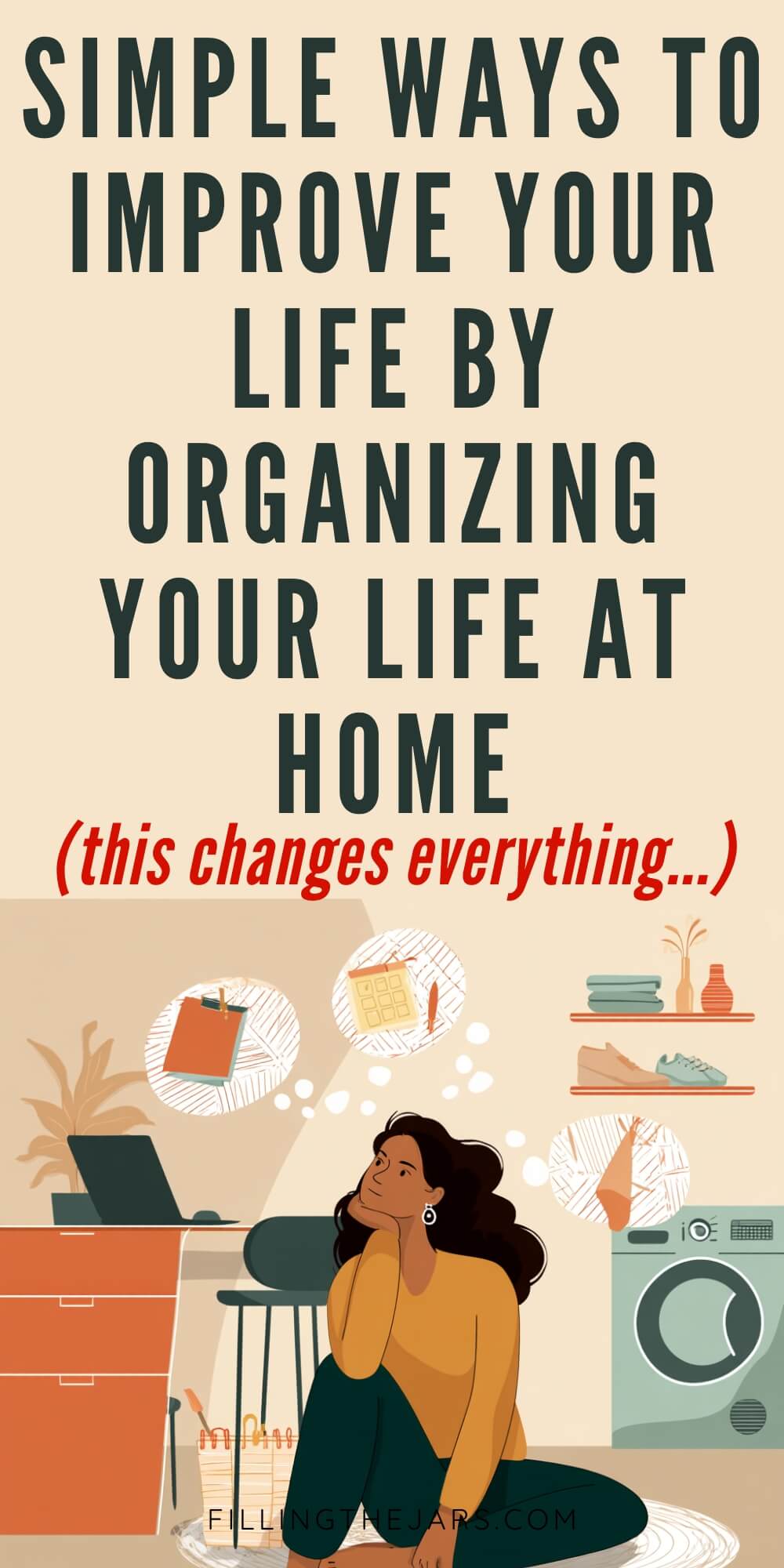
Paper piles are notorious for creating a sense of chaos. To simplify, gather all stray documents and sort them into three categories: keep, shred, or recycle. Keep current, essential files in an easily accessible location, and use clear jars or boxes to manage temporary paperwork until you have the time to process it.
The Capsule Wardrobe Revolution
Your closet is a primary source of daily decision fatigue. Simplifying your wardrobe by keeping only items that fit and that you genuinely wear is a game-changer. Creating a capsule wardrobe—a collection of versatile, high-quality pieces—ensures that getting dressed in the morning is a stress-free experience.
Budget-Friendly Home Upgrades for 2026
Enhancing your home doesn't require a massive budget. In fact, some of the most effective upgrades cost less than $100. These small changes can significantly boost your curb appeal and improve the daily functionality of your rooms.
Instant Curb Appeal with Paint
One of the most effective, low-cost ways to refresh your home is by painting your front door a vibrant, welcoming color. It provides an immediate aesthetic lift and sets a positive tone for anyone entering your home.
Smart DIY Hacks for Everyday Maintenance
Maintaining your home shouldn't occupy all your resources. Try these simple, life-improving hacks:
- Clean wooden cutting boards with coarse salt and half a lemon to remove debris and prevent mold.
- Remove scuff marks from floors by attaching a tennis ball (with an 'X' cut into it) to the end of a broomstick.
- Use a seam-ripper to easily remove hair and fuzz from vacuum brushes, saving you time and preventing mechanical issues.
- Create eco-friendly window cleaner by mixing two cups of hot water, two tablespoons of cornstarch, and a quarter cup of vinegar.
Designing for the Future: Aging in Place and Multigenerational Living
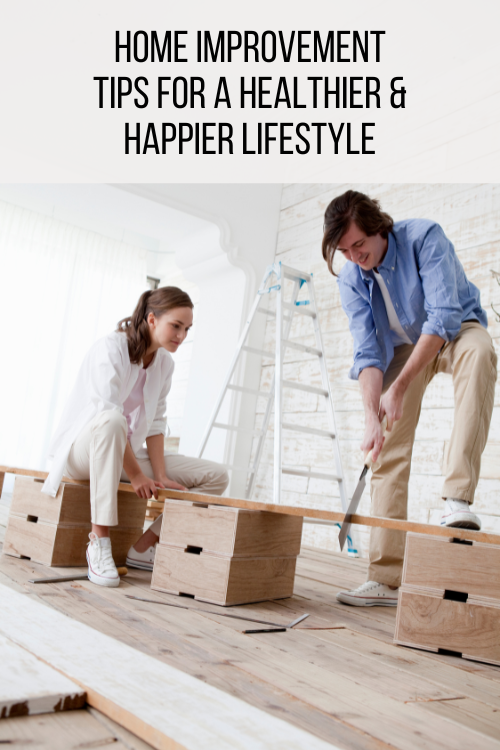
As we look deeper into 2026, smart design for aging in place has emerged as a top trend. Homeowners are proactively modifying their spaces to support older family members, ensuring that homes remain safe, accessible, and comfortable for everyone. This shift toward multigenerational living underscores the importance of a home that grows with your family’s needs.
Incorporating Universal Design Principles
Simple adjustments, such as installing better lighting, ensuring clear pathways, and utilizing ergonomic furniture, can make a home more functional for all ages. By styling your home with intention, you create an environment that supports your long-term goals and dreams rather than one that hinders your mobility or comfort.
The Mind-Body Connection: Lifestyle Changes to Complement Your Home
A simplified home is only one half of the equation. To truly transform your life in 2026, you must pair your environmental changes with healthy habits. Prioritizing healthy eating, staying hydrated, and spending time in nature are essential pillars of a balanced lifestyle.
Reconnecting with Nature
Ditch the screens and spend time outdoors. Whether you are walking in your neighborhood or hiking in a local park, reconnecting with the natural world is a proven way to boost your health and reduce stress. It serves as a necessary reset button in our hyper-connected, digital-first world.
Practicing Gratitude and Routine
Simple living is fundamentally about appreciating what you have. Incorporating a practice of gratitude into your daily routine can shift your mindset from one of "wanting more" to one of "valuing enough." When you align your daily habits—like maintaining a budget and nurturing relationships—with your physical space, you create a holistic environment for success.
The Rise of "Quiet Productivity" in 2026 Home Offices
As remote and hybrid work models solidify their place in the 2026 professional landscape, the home office has undergone a radical transformation. We are moving away from the stark, utilitarian desk setups of the early 2020s and toward "Quiet Productivity" zones—spaces that prioritize sensory comfort and focus. The goal is to design an environment that reduces cognitive load, allowing you to dive into deep work without the distraction of visual clutter or poor ergonomics (Source 4).
Optimizing Your Workflow Environment
To create a space that fosters concentration, consider how your physical surroundings impact your brain. Research suggests that an organized desk is directly linked to improved mental clarity and reduced anxiety levels (Source 2).
- Vertical Storage Solutions: Utilize wall-mounted shelving to clear your desk surface. By moving printers, files, and reference books off your workspace, you create a "blank canvas" that prevents the mind from wandering during high-focus tasks.
- Lighting for Circadian Health: If you work long hours, swap harsh overhead fluorescent lighting for layered, warm-toned LED lamps. Proper lighting reduces eye strain, which is a common physical stressor for home-based workers (Source 6).
- Cable Management Hacks: Tangled cords are a major source of subconscious irritation. Use simple velcro ties or under-desk cable trays to hide the "tech spaghetti" that makes a home office feel messy and chaotic.
The Psychology of Color and Texture
In 2026, experts are emphasizing the use of biophilic design in home offices to lower stress. Integrating natural elements—such as a small desk plant or a wooden desk organizer—can significantly improve your mood and productivity (Source 1). When your office feels like a natural extension of your home rather than a cubicle, you are more likely to maintain a positive relationship with your work.
Cultivating an Edible Garden for Holistic Wellness
One of the most rewarding trends gaining momentum this year is the integration of edible landscaping into residential homes. Whether you have a sprawling backyard or a small apartment balcony, growing your own herbs and vegetables is a simple way to improve your physical health and connection to your food source (Source 1).
Starting Small: The Window-Sill Herb Garden
You don't need a green thumb to start. By focusing on high-yield, low-maintenance plants, you can reap the benefits of fresh ingredients without the stress of managing a complex garden.
- Select high-utility herbs: Basil, mint, and chives are incredibly resilient and grow well in small containers.
- Optimize natural light: Place your containers in a spot that receives at least six hours of indirect sunlight.
- Use consistent watering schedules: Many people fail at gardening because they overwater. Use a simple moisture meter or the "finger test" to ensure the soil is dry before adding more water (Source 5).
The Therapeutic Benefits of Gardening
Beyond the fresh produce, the act of tending to living things serves as a powerful form of mindfulness. It forces you to slow down, observe the natural cycles of growth, and step away from digital screens. This practice directly aligns with the 2026 push toward holistic lifestyle management, where every home activity serves a dual purpose of utility and mental restoration (Source 6).
Streamlining Household Maintenance with Tech-Integrated Routines
Technology in 2026 is no longer just about entertainment; it is about automating the "drudgery" of home maintenance. By leveraging smart tools, you can reclaim hours of your week that were previously lost to repetitive chores.
Automated Cleaning and Energy Management
The most successful households this year are those that utilize "set-it-and-forget-it" systems. When your home manages its own basic needs, your mental bandwidth is freed up for more meaningful pursuits, such as family bonding or personal hobbies (Source 2).
- Smart Thermostats: These devices learn your daily routine and adjust temperatures automatically, lowering energy bills and ensuring your home is always comfortable when you arrive.
- Robot Vacuums: By scheduling daily cleaning cycles, you prevent the buildup of dust and pet hair, which is essential for maintaining a healthy indoor air quality (Source 5).
- Digital Inventory Lists: Keep a running list of household essentials on your phone. This prevents the stress of last-minute store runs and helps you stick to a strict budget by avoiding impulse buys (Source 6).
The "One-Touch" Rule for Tidying
To maintain a streamlined home, adopt the One-Touch Rule. This simple habit dictates that whenever you pick up an item, you must put it in its permanent home immediately rather than placing it on a "temporary" surface like a dining chair or table. Over time, this small adjustment drastically reduces the amount of time you spend "cleaning up" at the end of the day (Source 4).
Revitalizing Spaces: The Power of Small Aesthetic Shifts
Sometimes, a home feels "stale" not because it is messy, but because it lacks personality. In 2026, the trend of sensory-focused home design encourages homeowners to refresh their spaces through texture, scent, and color rather than expensive renovations.
Low-Cost, High-Impact Visual Changes
You can completely change the "vibe" of a room for under $50. The secret lies in focusing on the details that we often overlook in our rush to complete daily tasks.
- Textile Swapping: Replace heavy, dark curtains with light, airy fabrics to invite more natural light into your living space.
- Scent-Scaping: Use natural essential oils in a diffuser to create a consistent, calming scent profile for your home. Studies show that specific scents can trigger relaxation responses in the brain (Source 5).
- Hardware Updates: Swap out generic cabinet handles or drawer pulls in your kitchen or bathroom. This small, tactile change makes a room feel custom-designed and high-end with very little effort (Source 3).
The Role of Art and Personalization
Your home should reflect your identity. In a world of mass-produced decor, incorporating personal photos, local art, or family heirlooms creates a sense of belonging. This is vital for your mental well-being; when you look around and see items that hold positive memories, your brain is conditioned to associate your home with safety and happiness (Source 4).
Developing a Sustainable Budgeting Habit
Financial stress is one of the leading causes of home-related anxiety. In 2026, we are seeing a shift toward "conscious spending," where the budget is viewed not as a restriction, but as a tool to support the life you want to live.
The 50/30/20 Framework for Homeowners
Managing your finances is a pillar of a simplified lifestyle. By allocating your income into clear buckets, you remove the guesswork from your monthly expenses:
- 50% for Needs: This includes mortgage/rent, utilities, and groceries.
- 30% for Wants: This covers hobbies, dining out, and home decor upgrades.
- 20% for Savings and Debt: This ensures that your future self is protected while you enjoy your current living space.
Preventing "Lifestyle Creep"
As you simplify your home and remove unnecessary possessions, you will likely find that you are spending less on storage solutions and maintenance. Redirect those savings into a "home improvement fund" that allows you to make strategic, high-quality upgrades over time rather than constant, low-quality purchases that end up in a landfill within a year (Source 6).
Fostering Deeper Connections: The Social Home
A home that is simplified is a home that is ready for company. When you aren't embarrassed by clutter or overwhelmed by unfinished projects, you are more likely to host friends and family. Strengthening these social ties is a key component of emotional longevity and stress reduction (Source 6).
Hosting Without the Stress
The modern approach to hosting is casual and low-pressure. You don't need a five-course meal or a perfectly staged living room to build community. Focus on:
- Open-Ended Invitations: Invite friends over for coffee or a game night rather than a formal dinner.
- Shared Responsibilities: Don't be afraid to ask guests to bring a dish. It makes the gathering feel like a team effort and lowers the pressure on you as the host.
- Technology-Free Zones: Encourage guests to leave their phones in a basket at the door. This fosters genuine conversation and allows everyone to be fully present in the moment (Source 4).
The Ripple Effect of Community
When you open your home, you create a hub for your social circle. This sense of belonging is essential for mental health, especially in an era where digital isolation is becoming increasingly common. By making your home a welcoming space, you are investing in the long-term quality of your relationships and your overall life satisfaction (Source 2).
Prioritizing Rest: The Sanctuary Bedroom
In 2026, the bedroom is being reclassified as a recovery suite. With sleep quality directly linked to overall health, making your bedroom a distraction-free zone is a top priority for those looking to improve their lifestyle.
Eliminating Bedroom Stressors
If your bedroom is currently a catch-all for laundry, paperwork, and electronics, it is time for a reset.
- Remove the Tech: Move the TV and work laptop to another room. The bedroom should be reserved for sleep and intimacy only.
- Upgrade Your Bedding: Invest in high-quality, breathable linens. The sensory experience of your bed is the most important factor in your sleep quality (Source 5).
- Blackout Curtains: Light pollution can disrupt your sleep cycle. Installing simple, affordable blackout curtains can help you fall asleep faster and stay asleep longer.
The Power of a Bedtime Ritual
A simplified home environment supports a simplified mind. Establish a 15-minute evening routine that involves tidying your bedside table, preparing your outfit for the next day, and engaging in a calming activity like reading. This transition from "active mode" to "rest mode" is essential for waking up refreshed and ready to tackle the day ahead (Source 6).
Rethinking Storage: From Hoarding to Curating
The most significant change in 2026 home philosophy is the move from "storing everything" to "curating what matters." We are learning that space is a premium resource, and filling it with items you don't use is essentially paying rent for objects that don't add value to your life.
The "Use It or Lose It" Audit
Conduct a seasonal audit of your storage spaces—closets, garages, and attics. If you haven't touched an item in the last year, ask yourself if it is truly serving your current life or if it is just a remnant of your past.
- Donate: Items in good condition can find a second life with someone else, which is an environmentally conscious choice.
- Digitize: For sentimental items like old photos or children's schoolwork, consider scanning them into a digital folder and then letting go of the physical clutter (Source 2).
- Consolidate: Group similar items in clear, labeled bins so that you always know what you have. This prevents the "I need to buy another one because I can't find the first one" syndrome.
Why Less Storage is Actually Better
Surprisingly, having less storage space can actually be a benefit. It forces you to be more intentional about what you bring into your home. When you don't have a spare closet to hide your clutter, you are less likely to accumulate things you don't need. This creates a natural boundary that keeps your home simplified and manageable for the long term (Source 4).
Emphasizing Personal Growth Through Home Hobbies
Your home should be a place where you can explore new skills and develop your interests. In 2026, we are seeing a massive shift toward hobbies that require physical engagement—pottery, baking, woodworking, and painting. These activities act as a counterbalance to our digital-heavy work lives.
Creating a Hobby Corner
You don't need a dedicated studio to pursue a hobby. Use a rolling cart or a specific shelf in your home to store your supplies. When you want to work on a project, you can pull your supplies out, and when you are finished, you can tuck them away. This ensures that your hobby doesn't take over your entire living space while still giving you the freedom to be creative (Source 1).
The Benefits of Hands-On Learning
Learning a new skill stimulates the brain and provides a sense of accomplishment that is often missing from our high-stress, fast-paced jobs. Whether it’s learning how to bake sourdough or fixing a leaky faucet yourself, these DIY moments build confidence and self-reliance. This sense of capability translates into other areas of your life, making you more resilient in the face of challenges (Source 5).
Navigating the Future: Adapting Your Home to Life Changes
Life is not static, and neither should your home be. In 2026, the most successful people are those who view their living space as a flexible, evolving environment that changes along with their needs.
The "Flex" Room Concept
Design rooms to be multi-functional. A guest bedroom can also serve as a yoga studio; a dining table can double as a craft station. By choosing furniture that is easily movable or modular, you can adapt your home to the changing demands of your life without needing to move or renovate.
- Modular Shelving: These systems can be reconfigured as your storage needs change.
- Multi-Purpose Furniture: Think ottomans with storage, tables with leaves, and sofa beds.
- Adjustable Lighting: Floor lamps that can be moved from room to room offer flexibility that fixed lighting cannot match.
Preparing for the Long Term
As we age, our needs change. Incorporating small, universal design elements—like lever-style door handles instead of knobs, or non-slip rugs—is a proactive way to ensure your home remains safe and accessible. This forward-thinking approach is not just about aging; it is about creating a space that is inclusive and functional for everyone who enters, including guests of all ages and abilities (Source 2).
The Role of Mindfulness in Home Maintenance
Mindfulness is often associated with meditation, but in 2026, it is being applied to the way we interact with our homes. Instead of viewing cleaning as a chore to be rushed through, consider it a form of moving meditation.
Turning Chores into Rituals
When you wash the dishes, focus on the sensation of the water and the soap. When you vacuum, pay attention to the pattern you are creating on the carpet. By anchoring your focus in the present moment, you stop the "mental chatter" that often leads to stress. This simple shift in perspective turns a mundane task into a moment of calm, allowing you to recharge while you maintain your space (Source 7).
The Emotional Impact of a Clean Space
There is a profound psychological benefit to living in a space that feels cared for. When you invest time in maintaining your home, you are signaling to yourself that you are worthy of a clean, beautiful environment. This boosts self-esteem and creates a positive feedback loop: a cared-for home leads to a cared-for mind, which leads to more intentional choices in your health, career, and relationships (Source 4).
Sustainable Living: Reducing Your Environmental Footprint at Home
In 2026, sustainability and simplicity are inextricably linked. The most effective way to simplify your life is to reduce the amount of waste you generate, which in turn reduces the amount of time you spend managing trash and recycling.
Tips for a Low-Waste Household
- Swap to Reusables: Replace paper towels with microfiber cloths and plastic wrap with beeswax wraps. These small changes add up to significant cost savings and less frequent trips to the store.
- Composting: Even if you live in an apartment, small countertop compost bins make it easy to reduce your food waste. This is a great way to feed your houseplants or garden while doing your part for the planet.
- Buy Better, Not More: When you do need to replace an item, opt for high-quality, durable materials. This reduces the frequency of replacements and ensures that you are surrounding yourself with items that are built to last (Source 5).
The Financial Benefits of Sustainability
Living sustainably is often framed as a sacrifice, but in reality, it is a path to financial freedom. By consuming less, buying higher quality, and maintaining what you own, you significantly reduce your monthly overhead. This extra room in your budget can be used for experiences, travel, or investments, further enhancing your overall lifestyle (Source 6).
Creating a "Digital Sanctuary" Through Minimalist Tech Habits
In our hyper-connected 2026 reality, the digital clutter within our devices is just as taxing as the physical clutter in our closets. The constant barrage of notifications, unread emails, and endless scrolling creates a state of "continuous partial attention" that drains our mental reserves. Reclaiming your home as a sanctuary requires you to establish firm boundaries with the digital world.
Establishing Digital Curfews
Just as you prepare your home for a good night’s sleep, you must prepare your digital environment. A digital curfew involves turning off all non-essential notifications at a set hour each evening.
- The "One-Device" Rule: After 8:00 PM, try to limit yourself to a single device, such as an e-reader or a tablet, rather than jumping between a phone, laptop, and television.
- App Consolidation: Audit your smartphone weekly. If an app doesn't serve a clear purpose or bring you genuine joy, delete it. A cleaner home screen leads to a clearer focus (Source 4).
- Physical Charging Stations: Move your charging cables out of the bedroom entirely. By keeping your phone in a kitchen drawer or a dedicated entryway station, you eliminate the temptation to check work emails or social media feeds the moment you wake up.
Managing Digital Information Overload
We often feel the need to "keep up" with every newsletter, news site, and social media trend. This is a primary driver of modern anxiety. Instead, practice information minimalism.
- Unsubscribe Ruthlessly: If you haven’t read a newsletter in the last three issues, unsubscribe. The time you save deleting these emails is time you can spend in your physical home environment (Source 2).
- Curated Feeds: Social media algorithms are designed to keep you scrolling. Use tools to curate your feeds to show only accounts that inspire you or provide educational value.
- Offline Mode: Dedicate at least one afternoon a week to "offline mode." Use this time to engage in the home improvement tasks, gardening, or organizing projects you’ve been putting off (Source 6).
The Art of "Slow Living" in a Fast-Paced World
The ultimate goal of all these home and lifestyle improvements is to cultivate a sense of slow living. This isn't about being lazy; it’s about being intentional. It is the practice of doing things at the right speed—savoring your morning coffee, taking the time to cook a meal from scratch, and actually sitting down to enjoy it without the distraction of a screen.
Intentional Rituals for Daily Peace
Rituals are the bridge between a chaotic day and a peaceful evening. By creating simple, repeatable habits, you reduce the decision fatigue that often leads to household disarray.
- The Morning Reset: Spend the first five minutes of your day making your bed. This small act of order sets a tone of accomplishment and discipline that carries through the rest of your home.
- The Evening "Closing" Shift: Before going to bed, spend ten minutes resetting your living room. Fluff the pillows, put remote controls in their place, and clear the coffee table. Walking into a tidy room the next morning provides a mental boost that is hard to overstate (Source 7).
- Mindful Consumption: Before bringing any new item into your home, apply the "30-day rule." If you see something you want, wait 30 days. If you still want it after a month, it’s likely a genuine need rather than an impulse buy. This simple pause helps maintain the minimalist balance you’ve worked so hard to achieve.
Finding Joy in the Mundane
When you stop viewing home maintenance as a burden, you begin to see it as an act of self-care. Caring for your home is, in effect, caring for the version of yourself that lives there. Whether you are polishing a wooden table with essential oils or wiping down your windows with a natural vinegar solution, these tasks become a way to honor your living space and, by extension, your own well-being (Source 5).
Final Reflections on Your 2026 Transformation
The journey toward a simpler, more efficient home is not a destination but a continuous process of refinement. As we have explored, the most sustainable changes are those that are small, intentional, and focused on enhancing your actual quality of life rather than just the appearance of your home. By mastering your environment, automating your routines, and aligning your habits with your core values, you create a foundation that supports your mental, emotional, and physical health.
Remember that your home is the backdrop of your life. When you strip away the excess and focus on what truly adds value, you aren't just cleaning a house; you are creating the space necessary for your dreams to flourish. Start with one small project today—paint that door, clear that paper pile, or start that herb garden—and watch how the simplicity ripples outward, transforming not just your home, but your entire way of being in the world.
References
-
Bhg — 8 Easy Home Improvements That Instantly Upgrade Your Home, 2026
-
Simply-well-balanced — 30 Powerful Ways to Simplify Your Home (and Life), 2026
-
Marthastewart — 14 Easy Home Upgrades That Cost Less Than $100 – Martha Stewart, 2026
-
Simplelionheartlife — 11 Easy Ways to Simplify Your Home & Your Life, 2026
-
Bestlifeonline — 50 Easy DIY Home Hacks That Will Improve Your Life, 2026
-
Wikihow — 20 Simple Ways to Change Your Lifestyle for the Better, 2026
-
Thesimplicityhabit — 10 Easy Simple Living Tips That Will Transform Your Life, 2026
-
Thepremierdaily — 50 Simple Home Hacks That Will Improve Your Life – The Premier Daily, 2026