Best Outdoor Wellness Tips For Nature Lovers
In 2026, the call of the wild is stronger than ever. As we navigate an increasingly digital world, the profound benefits of spending time in nature for our physical, mental, and emotional well-being are becoming undeniable. For nature lovers, embracing the outdoors isn't just a hobby; it's a vital component of a holistic wellness lifestyle, deeply rooted in our innate biophilic connection. This comprehensive guide explores the best outdoor wellness tips for nature lovers in 2026, offering actionable stress management strategies to deepen your connection with the natural world and unlock a more vibrant, balanced you.
The statistics are clear: just 10 minutes of "green exercise" can boost your mood for up to 2 hours, and spending at least 120 minutes per week in nature is linked to significant improvements in health and well-being (Source 1, Source 4, Source 7). This isn't just about escaping the city; it's about actively engaging with the environment to nurture your inner self. From the grounding experience of forest bathing, often incorporating earthing or grounding practices, to the invigorating challenge of trail running, nature offers a potent antidote to modern stressors.
. This leads to a reduction in feelings of anxiety, depression, and overall stress. The gentle, non-demanding way nature captures our attention—often referred to as "soft fascination"—allows our minds to rest and recover from the constant bombardment of stimuli in our daily lives, promoting crucial cognitive restoration (Source 4).
Boosted Physical Health
Nature is the ultimate, free gym. Engaging in outdoor activities inherently incorporates physical movement, which is crucial for cardiovascular health, strength, and endurance. Beyond calorie burning, spending time outdoors naturally facilitates Vitamin D production through sun exposure, crucial for bone health and robust immune system function. Outdoor workouts can even burn up to 10% more calories than their indoor counterparts due to factors like uneven terrain and wind resistance (Source 1). Whether it's hiking scenic trails, cycling through parks, or simply walking through a green space, your body reaps significant rewards.
Improved Mental Clarity and Creativity
Struggling with focus or a creative block? A walk in nature might be the solution. Research indicates that spending time outdoors can restore mental abilities like short-term memory and improve cognitive function (Source 4). The restorative effects of nature allow the prefrontal cortex, often fatigued by multitasking, to recharge. This enhanced clarity and rejuvenation can be a powerful catalyst for creative thinking and problem-solving (Source 2).
Deeper Connection and Mindfulness
Outdoor wellness tips for nature lovers often emphasize a more deliberate and mindful approach to experiencing the natural world. Activities like forest bathing and mindful walking encourage you to engage all your senses, fostering a deeper connection with your surroundings and yourself (Source 3). This eco-mindfulness not only benefits personal well-being but also cultivates a sense of environmental stewardship, contributing to your overall well-being (Source 3).
Top Outdoor Wellness Activities for Nature Aficionados in 2026
To truly harness the power of nature, it's essential to move beyond passive observation and engage in activities that are both rejuvenating and purposeful. Here are some of the best outdoor wellness tips for nature lovers in 2026, blending activity with mindfulness.
1. Forest Bathing (Shinrin-Yoku)
Originating from Japan, forest bathing (Shinrin-Yoku) is more than just a walk in the woods; it's a meditative practice of immersing yourself in the forest atmosphere (Source 3, Source 5). The goal is to mindfully engage your senses, taking in the sights, sounds, smells, and textures of the forest, often incorporating grounding practices.
- How to Practice: Find a quiet, natural setting. Walk slowly, breathing deeply. Pay attention to the dappled sunlight, the sounds of birds, the scent of pine needles, and the feel of bark. Avoid using your phone and focus solely on the present moment.
- Benefits: Significantly reduces stress hormones, lowers blood pressure, improves mood, and boosts the immune system.
- Tips for 2026: Explore local arboretums or designated forest therapy trails. Consider joining a guided forest bathing session for a deeper, more structured experience.
2. Mindful Hiking and Nature Walks
Hiking and nature walks provide a fantastic opportunity to combine physical exertion with a deep sensory experience of the natural world. The key is to approach your walk with intention.
- How to Practice: Choose trails that appeal to you, whether they are gentle park paths or challenging mountain routes. As you walk, practice mindful observation: notice the changing leaves, the intricate patterns of moss on rocks, or the flight of a bird. Engage your senses fully – feel the ground beneath your feet, listen to the rustling leaves, and smell the fresh air.
- Benefits: Enhances cardiovascular health, strengthens muscles, reduces stress, improves mood, and stimulates creative thinking.
- Tips for 2026: Consider "wellness walks" specifically designed to clear your mind and promote relaxation (Source 2). Use navigation apps that highlight natural points of interest to deepen your exploration.
3. Trail Running for Dynamic Fitness
For those seeking a more vigorous outdoor activity, trail running offers a powerful blend of cardio and connection with nature. The uneven terrain challenges your body in new ways, while the natural surroundings provide a stimulating and beautiful backdrop.
- How to Practice: Start with well-marked trails suitable for your fitness level. Focus on your footing and rhythm, allowing the natural beauty to energize you. Embrace the challenge of the varying inclines and descents.
- Benefits: Excellent cardio workout, improves balance and agility, burns calories efficiently, and provides a significant mental health boost.
- Tips for 2026: Invest in quality trail running shoes for stability and comfort. Many communities now offer organized trail running groups, fostering a sense of camaraderie and shared adventure.
4. Outdoor Yoga and Breathwork
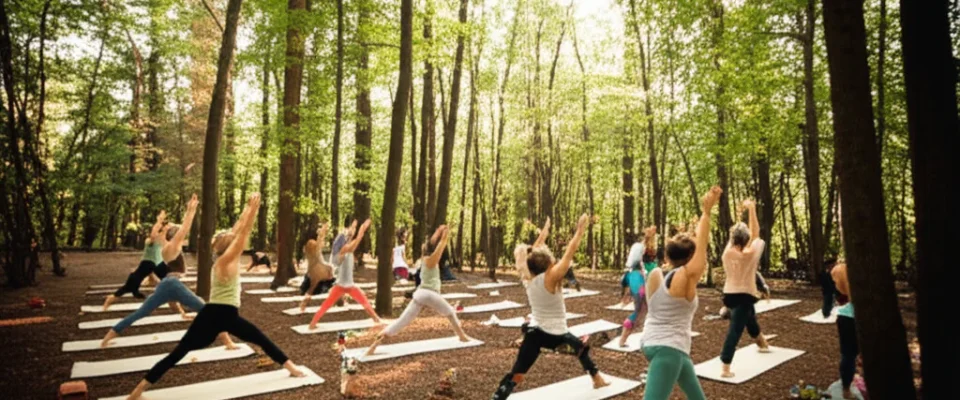
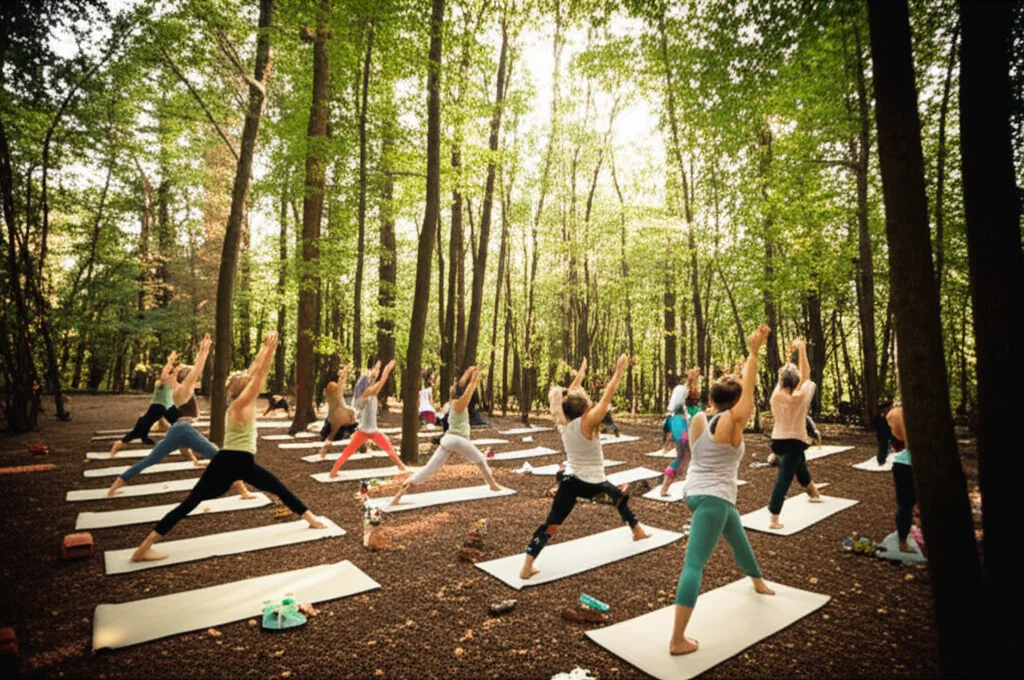
Taking your yoga practice outdoors amplifies its inherent benefits. The fresh air, natural light, and serene environment can deepen your sense of calm and connection, enhancing your mind-body connection.
- How to Practice: Find a peaceful spot in a park, your backyard, or even a beach. Focus on synchronizing your breath with your movements and the subtle sounds of nature. Incorporate breathwork exercises to further enhance relaxation and mindfulness.
- Benefits: Improves flexibility, strength, and balance, reduces stress and anxiety, promotes mindfulness, and enhances your connection to your body and the environment.
- Tips for 2026: Explore outdoor yoga classes offered in local parks or nature reserves. Consider using a portable yoga mat that is durable and easy to clean after outdoor sessions.
5. Gardening as a Grounding Practice
Gardening is a therapeutic activity that connects you directly with the earth. The simple act of tending to plants can be incredibly grounding and rewarding, serving as an effective earthing practice.
- How to Practice: Whether you have a sprawling garden or a small balcony, get your hands in the soil. Plant seeds, water your plants, and simply observe their growth. Pay attention to the textures, smells, and colors of the plants and soil.
- Benefits: Reduces stress, improves mood, provides gentle physical activity, and fosters a sense of accomplishment.
- Tips for 2026: Explore native plant gardening to support local ecosystems and biodiversity. Consider incorporating aromatic herbs or flowers for an added aromatherapy benefit.
6. Nature Journaling and Photography
Engaging with nature through journaling or photography allows for a more contemplative and artistic connection. It encourages you to observe the details and beauty of the natural world around you.
- How to Practice: Bring a notebook and pen on your outdoor excursions. Jot down observations, feelings, sketches, or poems inspired by your surroundings. Alternatively, use your camera to capture the beauty you encounter, focusing on light, texture, and composition.
- Benefits: Enhances observation skills, fosters creativity, improves mindfulness, and creates a lasting record of your connection with nature.
- Tips for 2026: Combine journaling with mindful photography, focusing on capturing the essence of a moment rather than just a snapshot. Explore nature-themed prompts to inspire your writing or photographic subjects.
7. Birdwatching for Mindful Observation
Birdwatching is a patient and rewarding activity that sharpens your senses and connects you to the local ecosystem. It requires quiet observation and a keen eye for detail.
- How to Practice: Visit parks, nature reserves, or even your own backyard. Arm yourself with binoculars and a field guide or a bird identification app. Listen for bird calls and look for subtle movements among the trees and in the sky.
- Benefits: Improves focus and concentration, fosters an appreciation for biodiversity, and provides a peaceful and engaging way to spend time outdoors.
- Tips for 2026: Download bird identification apps that use AI to recognize calls and species. Consider joining local birdwatching groups for shared learning and camaraderie.
8. Kayaking, Canoeing, and Water Activities
Water offers a unique and often therapeutic environment for outdoor wellness. Activities like kayaking and canoeing provide gentle exercise while immersing you in serene aquatic landscapes.
- How to Practice: Rent a kayak or canoe on a calm lake, river, or bay. Paddle at a comfortable pace, enjoying the rhythmic movement and the reflections on the water. Listen to the gentle lapping of waves and the sounds of nature around you.
- Benefits: Excellent upper body and core workout, reduces stress, improves balance, and offers a fresh perspective on natural environments.
- Tips for 2026: Explore guided eco-tours that focus on the natural history and wildlife of waterways. Prioritize safety by wearing a life jacket and checking weather conditions.
9. Stargazing and Nighttime Meditation
The night sky offers a profound and humbling spectacle. Embracing stargazing and nighttime meditation allows you to connect with the vastness of the universe and find peace in the darkness.
- How to Practice: Find a location away from city lights. Lie back and observe the stars, planets, and moon. Use a stargazing app to identify constellations and celestial bodies. Practice meditation or deep breathing while immersed in the quiet of the night.
- Benefits: Promotes a sense of wonder and perspective, reduces anxiety, encourages relaxation, and fosters a deep connection to the cosmos.
- Tips for 2026: Consider attending local astronomy club events or visiting designated dark sky parks for optimal viewing. Pack warm layers and a comfortable blanket.
Integrating Outdoor Wellness into Your 2026 Lifestyle
Making outdoor wellness a consistent part of your life in 2026 is about more than just occasional outings; it's about cultivating habits and making conscious choices.
Embrace the "120-Minute Rule"
As supported by research, aiming for at least 120 minutes of nature exposure per week can lead to significant health improvements (Source 7). Don't feel you need to do it all at once. Break it down into smaller, manageable sessions throughout the week. A 20-minute walk each day, a longer hike on the weekend, or even spending your lunch breaks in a park can contribute to your weekly goal.
Seasonal Adaptations: Thriving in Every Weather
Nature's allure isn't limited to sunny days. Each season offers unique opportunities for outdoor wellness.
- Spring: Witness the reawakening of nature with vibrant blooms and new growth. Focus on gentle walks and mindful observation of emerging life.
- Summer: Enjoy longer days for activities like hiking, swimming, or kayaking. Remember to stay hydrated and protect yourself from the sun.
- Autumn: Immerse yourself in the vibrant colors of fall foliage. Forest bathing and nature photography are especially magical during this season.
- Winter: Embrace the tranquility of a hushed landscape. Snowshoeing, cross-country skiing, or simply a crisp winter walk can be invigorating. Layering clothing is key to staying comfortable.
Gear Up for Success
Having the right gear can significantly enhance your outdoor wellness experience, ensuring comfort, safety, and enjoyment.
- Footwear: For activities like hiking and trail running, invest in quality trail runners or hiking boots that provide good support and traction (Source 1).
- Apparel: Dress in layers to adapt to changing weather conditions. Moisture-wicking fabrics are essential for staying comfortable during physical activities.
- Navigation: For more complex trails, consider a reliable GPS device or a good quality map and compass (Source 1). Many smartphone apps also offer excellent navigation features.
- Hydration and Nutrition: Always carry sufficient water and healthy snacks, especially for longer excursions.
Sustainable Outdoor Practices
As nature lovers, it's our responsibility to protect the environments we enjoy. Embrace sustainable practices in all your outdoor pursuits.
- Leave No Trace: Pack out everything you pack in, avoid disturbing wildlife, and stay on designated trails.
- Respect Local Wildlife: Maintain a safe distance and never feed wild animals.
- Support Conservation Efforts: Consider donating to or volunteering with local conservation organizations.
- Reduce Your Carbon Footprint: Opt for eco-friendly transportation to trailheads when possible.
Frequently Asked Questions About Outdoor Wellness
To help you further integrate these practices into your life, here are answers to some common questions.
Q1: How can I start incorporating outdoor wellness if I live in a city?
Many of the benefits of nature can be accessed even in urban environments. Seek out local parks, botanical gardens, or tree-lined streets. Urban parks offer opportunities for mindful walks, outdoor yoga, and picnicking. Even an abundance of houseplants can contribute to a sense of nature connection indoors (Source 12).
Q2: Is it safe to do outdoor activities alone?
Safety is paramount. Always inform someone of your plans, including your intended route and expected return time. Be aware of your surroundings, carry a fully charged phone, and consider a personal safety device for solo adventures. For challenging or remote locations, consider joining guided tours or going with a group (Source 1).
Q3: What if I have limited mobility? Can I still benefit from outdoor wellness?
Absolutely. Gentle nature walks, sitting in a park, gardening in raised beds, or simply enjoying the view from a window can all provide therapeutic benefits. Adaptive equipment and accessible trails can also open up possibilities for those with mobility challenges. The focus is on connecting with nature in a way that is comfortable and safe for you.
Q4: How much time in nature is enough to see benefits?
Research suggests that spending at least 120 minutes per week in nature can significantly improve health and well-being (Source 7). However, even shorter, consistent exposures can be beneficial. Start with what you can manage and gradually increase your time as you feel motivated.
Q5: Can outdoor wellness help with specific mental health conditions?
Yes, ecotherapy and nature-based interventions are increasingly recognized as valuable complementary therapies for a range of mental health conditions, including depression, anxiety, and stress (Source 3, Source 4). The calming effects of nature can provide a powerful supportive environment for healing and recovery.
Conclusion: Embrace the Natural Path to Well-being in 2026
As we move deeper into 2026, the imperative to connect with nature for our health and happiness has never been clearer. The best outdoor wellness tips for nature lovers revolve around intentional engagement, mindful presence, and embracing the vast array of activities nature offers. By incorporating practices like forest bathing, mindful hiking, outdoor yoga, and nature journaling into your routine, you will not only enhance your physical vitality but also cultivate profound mental clarity, emotional resilience, and a deeper sense of peace, fostering a stronger mind-body connection and promoting overall well-being.
Remember that nature is an ever-present, accessible, and powerful wellness resource. Whether you're an experienced outdoors enthusiast or new to the joys of the natural world, taking the time to step outside, breathe the fresh air, and immerse yourself in the beauty surrounding you is an investment in your overall well-being. Embrace the journey, discover your favorite natural pursuits, and unlock a more vibrant, balanced, and connected you in 2026 and beyond.
References
- Fitness & Nature — 15 Best Outdoor Workouts for Fitness & Nature Lovers, 2026
- Well with Brielle — The Benefits of Being in Nature and Over 10 Outdoor Wellness Activities You Can Do to Help You Relax
- Mindful Ideas — 10 Outdoor Mindful Activities to Help Adults Connect with Nature, 2025
- American Heart Association — Spend Time in Nature to Reduce Stress and Anxiety
- Reality Pathing — Ideas for Natural Recreational Activities to Improve Wellbeing, 2025
- Well-Being — 17 Outdoor Activities That Improve Your Well-Being, 2024
- Healthline — 8 Ways Nature Can Boost Wellness, 2026