Benefits Of Spending Time In The Forest

In the relentless pace of modern life, where digital demands often overshadow natural rhythms, a profound remedy awaits. The simple act of spending time in the forest is not merely a pleasant pastime; it's a scientifically validated pathway to enhanced physical, mental, and emotional well-being. As we navigate 2026, understanding and embracing the Benefits Of Spending Time In The Forest, particularly within the tranquil embrace of a forest, has become more critical than ever. This comprehensive guide delves into the science-backed advantages, exploring how these verdant sanctuaries and green spaces can transform our lives, offering profound well-being benefits.
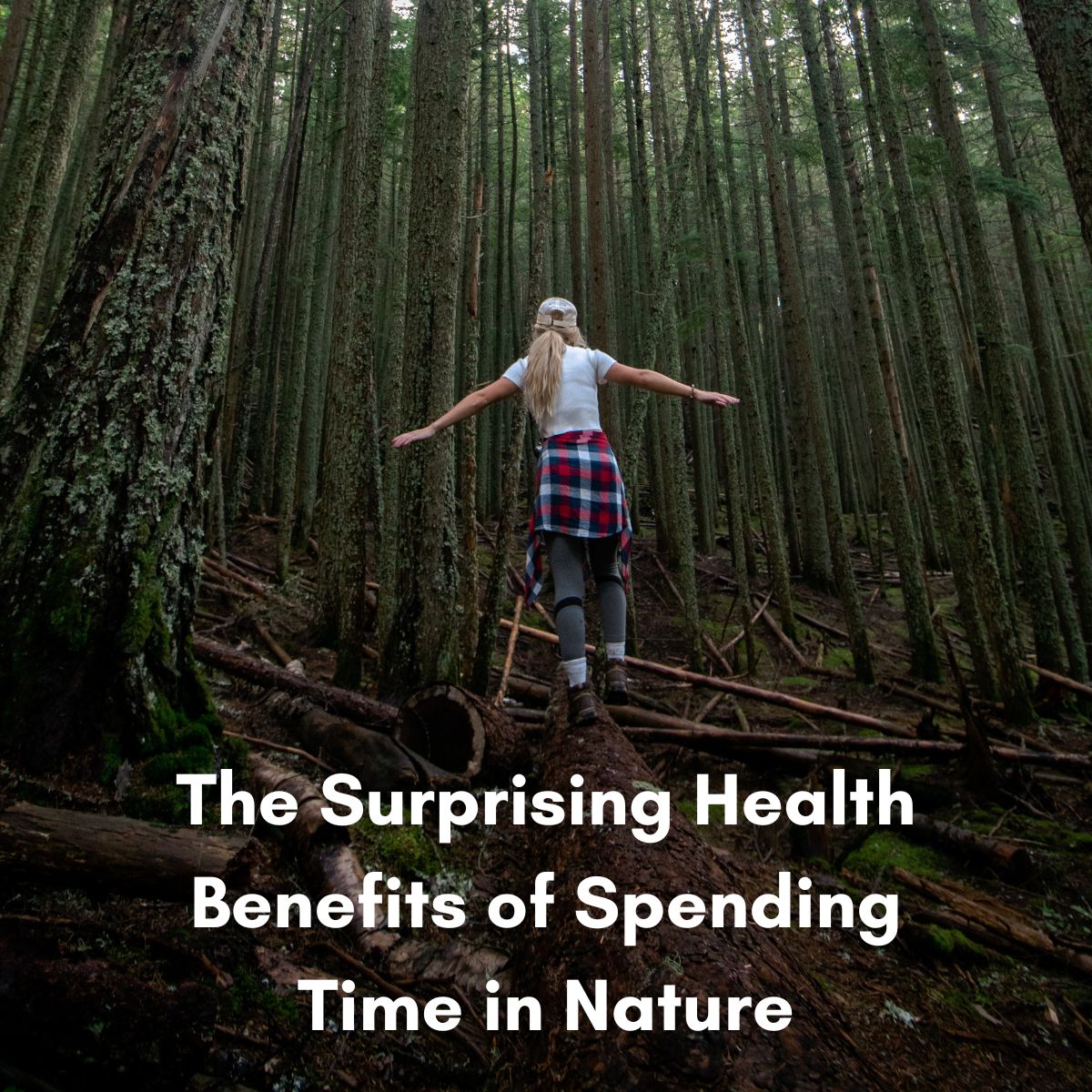
From boosting our immune systems to sharpening our minds and soothing our souls, forests offer a holistic approach to health that no artificial environment can replicate. This article will equip you with the knowledge to harness these benefits, highlighting why a regular dose of nature immersion is an essential component of a balanced, healthy lifestyle in the year ahead. Indeed, understanding the profound Benefits Of Spending Time In The Forest can truly transform your approach to well-being.
Forest Therapy: A Prescription for Modern Ailments
In an era marked by increasing stress, anxiety, and sedentary lifestyles, forest therapy, also known as Shinrin-yoku or forest bathing, has emerged as a powerful natural intervention. Originating in Japan, this practice involves immersing oneself in the forest atmosphere, engaging the senses to promote relaxation and healing. This form of ecotherapy has garnered significant attention. Numerous scientific studies underscore the efficacy of this approach, revealing tangible improvements in various health outcomes, all contributing to the overarching Benefits Of Spending Time In The Forest.
The Science Behind Forest Immersion
The health and cognitive benefits of spending time in forests are supported by a growing body of scientific research, clearly demonstrating the profound Benefits Of Spending Time In The Forest. A systematic review published in Environmental Health and Preventive Medicine highlighted significant positive impacts on physical and psychological health. While acknowledging the need for more high-quality studies, the findings are compelling, suggesting that forest therapy plays a crucial role in health promotion and disease prevention, acting as a powerful restorative environment.
The mechanisms are diverse, ranging from physiological responses to hormonal regulation. As we explore further, you'll discover how these natural interventions translate into concrete health advantages, making a compelling case for integrating forest visits into your regular routine and fully appreciating the Benefits Of Spending Time In The Forest.
Key Benefits of Spending Time in Forest Environments
The advantages of immersing yourself in a forest are multifaceted, impacting our bodies and minds in profound ways. By understanding these Benefits Of Spending Time In The Forest, you can consciously seek out and maximize your time in these natural havens, engaging in beneficial outdoor activities.
1. Bolstering Your Immune System
Your immune system is your body's first line of defense, and time spent in the forest can significantly strengthen it. The air within forests is not just fresh; it's alive with beneficial compounds, contributing to the many Benefits Of Spending Time In The Forest.
- Phytoncides: Nature's Immune Boosters: Forest air is rich in phytoncides, volatile organic compounds released by trees and plants. These natural chemicals possess antifungal and antibacterial qualities. When inhaled, phytoncides stimulate the body to increase the production of white blood cells, including Natural Killer (NK) cells, which are crucial for fighting off viruses and even eliminating tumor-infected cells. Studies have consistently shown that exposure to forest air increases NK cell activity and the expression of anti-cancer proteins.
- Vitamin D Production: While not exclusive to forests, spending time outdoors, regardless of weather, exposes you to sunlight, which is essential for vitamin D synthesis. Adequate vitamin D levels are linked to a lower risk of viral infections and are critical for bone health and overall immune function. Insufficient vitamin D is associated with a higher susceptibility to illness.
2. Enhancing Cardiovascular Health
Your heart is a vital organ, and the forest environment provides natural support for its optimal function. The calming effect of nature translates into measurable improvements in cardiovascular metrics, underscoring the significant Benefits Of Spending Time In The Forest.
- Lowering Blood Pressure and Heart Rate: Being in a natural environment, especially a forest, has a direct effect on your heart. Studies reported in several research summaries and reviews indicate that time spent in nature can decrease blood pressure and reduce heart rate. This physiological relaxation is attributed to the activation of the parasympathetic nervous system, promoting a "rest and digest" state that counteracts the "fight or flight" response often triggered by chronic stress.
- Reducing Arterial Stiffness: Regular exposure to green spaces has been shown to improve arterial flexibility. This means your blood vessels are less stiff and can adapt more easily to blood flow, reducing the strain on your heart and lowering the risk of cardiovascular diseases. Forest bathing sessions have demonstrated remarkable improvements in this area, contributing to long-term heart health.
- Stress Reduction's Cardiovascular Impact: Chronic stress is a significant contributor to heart disease. By naturally reducing stress hormones like cortisol, forest exposure indirectly protects your cardiovascular system. The cumulative effect of lower blood pressure, reduced heart rate, and improved arterial function creates a potent protective shield for your heart.
3. Reducing Stress and Improving Mental Well-being
The mental health benefits of nature are perhaps the most widely recognized, and forests are particularly potent environments for stress relief and mood enhancement. This is one of the most cherished Benefits Of Spending Time In The Forest.
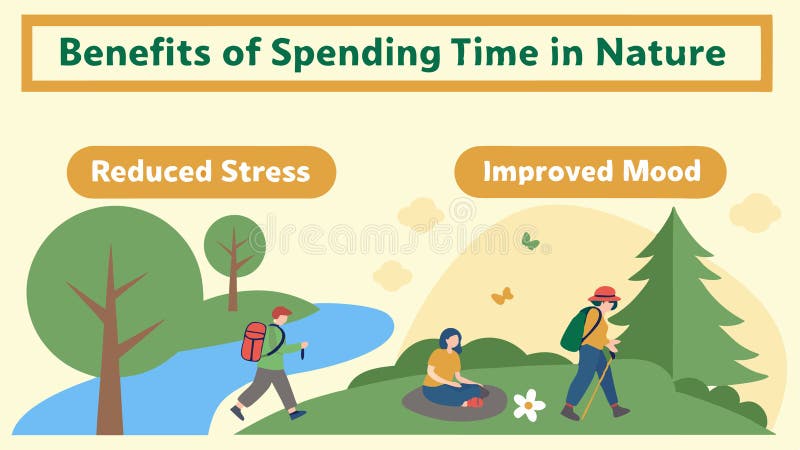
- Cortisol Level Reduction: Scientific evidence confirms that immersion in forests can lower stress hormone levels, particularly cortisol. This reduction is noticeable even after short periods in nature. For instance, just 20-30 minutes spent in green spaces can lead to significant drops in stress indicators.
- Alleviating Anxiety and Depression: The calming ambiance of a forest can have a profound impact on mood. Studies have reported positive effects on symptoms of anxiety and depression. The sensory experience of being in a forest – the sights, natural sounds, and smells – can help shift focus away from worries and promote a sense of peace and contentment. This is further supported by research indicating improvements in emotional response.
- Restoring Attentional Fatigue: In our hyper-stimulated world, our attention is constantly being pulled in multiple directions, leading to attentional fatigue. Forests offer a type of attention that is effortless and restorative. This "soft fascination" allows the brain to recover from directed attention fatigue, improving focus and cognitive stamina once you return to your daily tasks.
4. Enhancing Cognitive Function and Creativity
Beyond stress relief, forests can actively sharpen our minds and foster innovative thinking, adding to the impressive list of Benefits Of Spending Time In The Forest. This includes improved mental clarity.
- Improved Focus and Attention: As mentioned, forests help combat attentional fatigue. This recovery of focus translates into better performance on tasks requiring concentration. Research suggests that nature stimulates curiosity, which is fundamental for learning and sustained attention – crucial for developing new ideas and problem-solving.
- Sparking Creativity: The natural world has long been a muse for artists and thinkers. Spending time in a forest can tax cognitive abilities due to constant stimulation, natural and peaceful settings like forests are restorative. This benefit isn't limited to adults; studies suggest that exposure to green spaces can yield short-term and long-term cognitive improvements in children as well.
5. Boosting Physical Activity and Mobility
Forests naturally encourage movement, making exercise feel less like a chore and more like an enjoyable experience. This physical aspect is a key part of the Benefits Of Spending Time In The Forest.
- Encouraging Movement: The terrain of a forest, with its trails and varying topography, inherently promotes physical activity. Forest walks, hiking, or even gentle strolls become opportunities for low-impact exercise that improve overall fitness and health. This natural inclination to move makes it easier to meet recommended activity levels.
- Improved Respiratory Function: The air quality in mountain and forest environments is often superior to that in urban areas. The phytoncides released by trees not only boost immunity but also contribute to cleaner air, which can enhance lung capacity and reduce respiratory inflammation. This is particularly helpful for individuals with chronic respiratory conditions or those seeking to optimize their lung function.
- Lower Impact Exercise: Compared to hard, artificial surfaces, the forest floor provides a more forgiving surface for walking and running, reducing the impact on joints. This makes it an ideal environment for people of all ages and fitness levels, including those recovering from injuries or managing chronic pain conditions.
6. Promoting Better Sleep Quality
The restorative powers of the forest extend to improving sleep patterns, a crucial element among the Benefits Of Spending Time In The Forest.
- Exposure to Natural Light: Spending time outdoors, especially in the morning, helps regulate your body's circadian rhythm. Exposure to natural light signals to your brain that it's daytime, which in turn helps promote the production of melatonin at night. This natural light exposure, combined with fresh air, can lead to improved sleep quality and more regulated sleep-wake cycles.
- Reduced Stress for Better Sleep: By lowering stress and anxiety levels, forest visits can indirectly contribute to better sleep. When your mind is calmer, it is easier to fall asleep and stay asleep. The absence of artificial light and the natural sounds of the forest create an environment conducive to deep, restful sleep.
7. Fostering a Sense of Connection and Well-being
Beyond tangible health benefits, forests nurture a deeper sense of connection and overall well-being, highlighting the holistic Benefits Of Spending Time In The Forest.
- Reconnecting with Nature: In our increasingly digital lives, we often feel disconnected from the natural world. Spending time in a forest allows us to reconnect with nature, fostering a sense of belonging and grounding. This connection, often described as biophilia, can trigger a feeling of awe and wonder, which has been linked to increased happiness and life satisfaction.
- Mindfulness and Presence: The immersive natural environment encourages mindfulness. The sounds, sights, and smells of the forest draw your attention to the present moment, turning a simple walk into a meditative experience. This practice of being present can reduce rumination and increase overall feelings of happiness and well-being.
- Inner Child Exploration: For some, forests can evoke feelings of nostalgia and wonder, helping to reconnect with their inner child. This can lead to a sense of playfulness, joy, and a broader appreciation for life.
Integrating Forest Time into Your 2026 Routine
Making the Benefits Of Spending Time In The Forest a consistent part of your life is achievable, even with a busy schedule. The key is to make it a priority and find small, manageable ways to incorporate it.
How Much Time is Enough?
Research from the American Psychological Association suggests that spending at least two hours per week in nature can yield significant physical and mental health benefits. This can be achieved in one long session or broken down into shorter, more frequent visits. Even brief, consistent exposure can make a difference in unlocking the full Benefits Of Spending Time In The Forest.
Practical Tips for Forest Immersion
- Schedule It: Treat your forest visits like any other important appointment. Block out time in your calendar each week.
- Find Local Forests: Research parks, nature reserves, or woodlands in your vicinity. Even a small patch of green can offer benefits.
- Forest Bathing Walks: Seek out guided forest bathing experiences or simply aim to walk mindfully, engaging all your senses. Pay attention to the textures of bark, the scent of pine, the sounds of birds, and the dappled sunlight.
- Incorporate It into Other Activities: Combine your forest visits with other activities like a picnic, photography, or simply reading a book under a tree.
- Listen to Your Body: Pay attention to how you feel before, during, and after your time in the forest. This self-awareness will help you understand your individual needs and the impact nature has on you.
- Seasonal Appreciation: The benefits of forests change with the seasons. Each season offers a unique experience and a different set of sensory delights. From the vibrant colors of autumn to the crisp air of winter and the blooming life of spring, there's always something new to discover.
Frequently Asked Questions About Forest Benefits
Many people are curious about the practical application and nuances of reaping the rewards of forest immersion. Here are answers to some common questions regarding the Benefits Of Spending Time In The Forest:
FAQ
-
Q1: Do I need to go deep into a wilderness area to get these benefits?
A1: Not necessarily. While pristine, deep forests offer a rich experience, even small local parks or urban green spaces can provide significant Benefits Of Spending Time In The Forest, especially if they have a good density of trees and natural elements. The key is immersing yourself in a natural environment. -
Q2: Can I still get benefits if the weather is bad?
A2: Absolutely. While sunny days are pleasant, rain or fog can create a different, equally therapeutic atmosphere. Furthermore, even without direct sunlight, you are still breathing in phytoncides and experiencing the calming presence of nature. Dress appropriately and embrace the elements! -
Q3: How does forest therapy differ from simply going for a hike?
A3: While hiking is beneficial, forest therapy (Shinrin-yoku) emphasizes a slower, more mindful approach. It's about intentionally engaging your senses and allowing yourself to be present in the forest atmosphere, rather than focusing solely on physical exertion or reaching a destination. -
Q4: Are there specific types of trees that offer more benefits?
A4: While all trees contribute to the forest ecosystem, coniferous trees like pines, firs, and cedars are particularly known for releasing large amounts of phytoncides. However, diverse forest ecosystems offer a richer blend of benefits. -
Q5: Is forest bathing suitable for children?
A5: Yes, extensively! Children often have a natural affinity for nature and can benefit greatly from unstructured play and exploration in forest environments. It can help improve their focus, reduce stress, and foster a lifelong appreciation for the natural world.
Conclusion: Embrace the Forest for a Healthier 2026
As we continue to progress through 2026, the call of the forest becomes increasingly vital for our well-being. The Benefits Of Spending Time In The Forest are not merely anecdotal; they are substantiated by robust scientific evidence, demonstrating profound positive impacts on our physical health, mental clarity, emotional resilience, and overall quality of life.
From strengthening our immune systems with phytoncides to soothing our hearts by lowering blood pressure, and from sharpening our minds to inspiring our creativity, the forest offers a comprehensive antidote to the stresses of modern living. It's a readily available, cost-effective, and deeply restorative resource waiting to be explored, providing immense Benefits Of Spending Time In The Forest.
Make a conscious decision to prioritize these natural sanctuaries. Whether it's a short walk during your lunch break, a weekend hike, or a dedicated forest therapy session, each moment spent amongst the trees is an investment in your health and happiness, amplifying the many Benefits Of Spending Time In The Forest. Embrace the wisdom of nature, unlock your well-being, and let the forest guide you towards a more balanced and vibrant life in 2026 and beyond.
References
- Springer Nature — Health and well-being benefits of spending time in forests: systematic review, 2017
- UCLA Health — 7 health benefits of spending time in nature, 2025
- National Forest Foundation — Five Ways Forests Benefit Human Health
- Healthline — Health Benefits of Being Outdoors: 8 Ways Nature Can Boost Wellness, 2026
- Jodie Gale — 8 Health Benefits of Spending Time in the Forest
- NPR — Why spending time in the woods makes you feel calm
- Tigris Valley Wellness Retreat — 15 Science-Backed Health Benefits of Spending Time in Nature, 2025
- United Nations — International Day of Forests 2026: Forests and Economies, 2026